Introduction
The Basics
Key facts about tobacco, including its history, uses, and effects
What is tobacco?
What are the different ways in which tobacco is consumed?
What are tar and nicotine?
Diagnosis
Addiction and the signs of nicotine dependence
What is addiction?
How do I know if I am addicted to nicotine?
How long does it take to become addicted to tobacco?
Risk, Prevention, and Epidemiology
The risk factors related to smoking and steps that can be taken to help people quit and to prevent others from starting
If I am addicted to tobacco, will I be predisposed to other addictions?
What are the risks of secondhand or environmental smoke?
How do I talk to my child about smoking?
Treatment
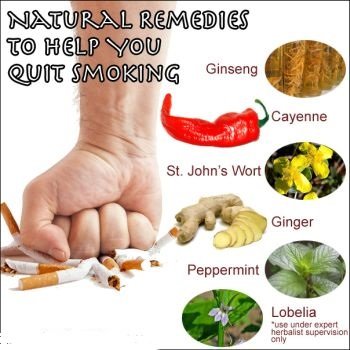
Information on quitting, including various methods like programs and medications
Does insurance pay for any of the smoking cessation programs or products?
How successful are people who quit on their own?
What are some of the medication aids, notably the nicotine replacement therapies (NRTs), to smoking cessation?
Associated Conditions
Address medical consequences of tobacco use
Can you list all of the specific diseases associated with smoking?
How does smoking affect the liver?
Are there any health benefits to tobacco or nicotine?
Special Populations
The use of tobacco by different ethnic groups, genders, and age groups
What are the differences between men and women regarding rates of tobacco use, history of tobacco use, and their health risks?
What are the differences in the rates of tobacco use among different ethnic groups?
What are the differences in the smoking habits at different ages, from children to the elderly?
Surviving
Address concerns about what to expect after quitting
Are there any long-term psychological or emotional symptoms that I should expect long after I stop smoking?
I have so many pleasant memories of smoking. How can I create unpleasant memories about it?
Why do I need to gain support from family, friends, and others to succeed?