Vitamins: List of Vitamin Types and Health Benefits
VITAMINS
1. Vitamins are essential nutrients needed by your body to grow, reproduce, and maintain good health. They are found naturally in foods, added to foods, or in pill form in dietary supplements.
2. Fat-soluble vitamins are stored in your body and require fat for absorption. They can accumulate to the point of toxicity if your intake is excessive. Water-soluble vitamins are absorbed with water and typically aren’t stored for extended periods. Excess amounts of water-soluble vitamins do not accumulate to toxic levels but can be harmful if you routinely consume too much.
3. Antioxidants, such as vitamins E and C, and beta carotene, suppress harmful oxygen-containing molecules called free radicals that can damage cells. Free radicals can contribute to chronic diseases such as cancer and heart disease and accelerate the ageing process. Diets abundant in antioxidant-rich fruits, vegetables, and whole grains are associated with a lower incidence of many diseases.
4. Vitamin A is needed for strong vision, reproduction, and healthy fetal development. Carotenoids are yellow-reddish pigments that give some fruits and vegetables their vibrant yellow-red color. The carotenoid beta-carotene is a common provitamin that can be converted to vitamin A in your body. Two other carotenoids, lutein and zeaxanthin, are being investigated for their potential role in eye health. The carotenoid lycopene acts as an antioxidant in the body.
5. Vitamin D is necessary for absorption of calcium and phosphorus. Although vitamin D can be made in your body with the help of ultraviolet rays from the sun, some individuals are not exposed to enough sunlight to meet their needs. A deficiency of vitamin D can cause rickets in children and osteomalacia in adults. Milk and fortified yoghurts are excellent sources of vitamin D.
6. Vitamin E is an antioxidant that protects your cells’ membranes. It plays an important role in helping prevent the “bad” LDL cholesterol carrier from being oxidized. High levels of artery-clogging, oxidized LDL cholesterol are a risk factor for heart disease. Vitamin K helps your blood to clot and to synthesize proteins that keep bones healthy.
7. The B vitamins thiamin, riboflavin, niacin, vitamin B6, pantothenic acid, and biotin are all coenzymes that assist in numerous energy-producing reactions.
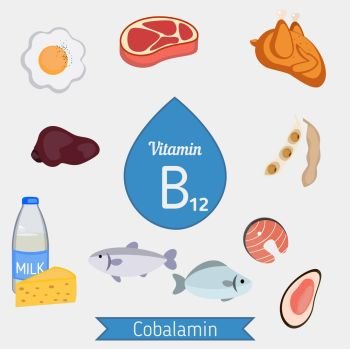
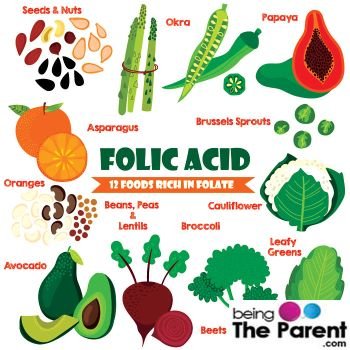
8. The B vitamins folate and vitamin B12 are needed for healthy red blood cells. A deficiency of either can cause macrocytic anaemia. Adequate amounts of folic acid can reduce the risk of certain birth defects, including spina bifida and anencephaly. Prolonged vitamin B12 deficiency can cause nerve damage.
9. Vitamin C is needed for healthy bones, teeth, skin, and blood vessels, and for a healthy immune system. Excessive amounts can cause intestinal discomfort. Vitamin C doesn’t prevent the common cold, but may