VIDEO
What factors can influence PSA levels?
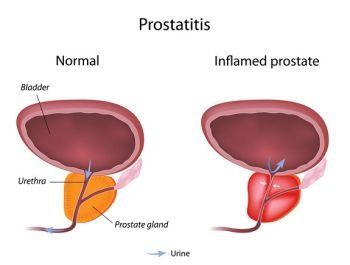
Several factors can affect PSA levels and cause false elevations of a PSA reading. An infection of the prostate, known as prostatitis, can cause a transient elevation of serum PSA.
The symptoms of prostatitis can include burning with urination, frequency of urination, pain with ejaculation, or blood in the semen known as hematospermia. When a patient is suspected of having prostatitis, a PSA level should not be drawn, as it can be falsely elevated.
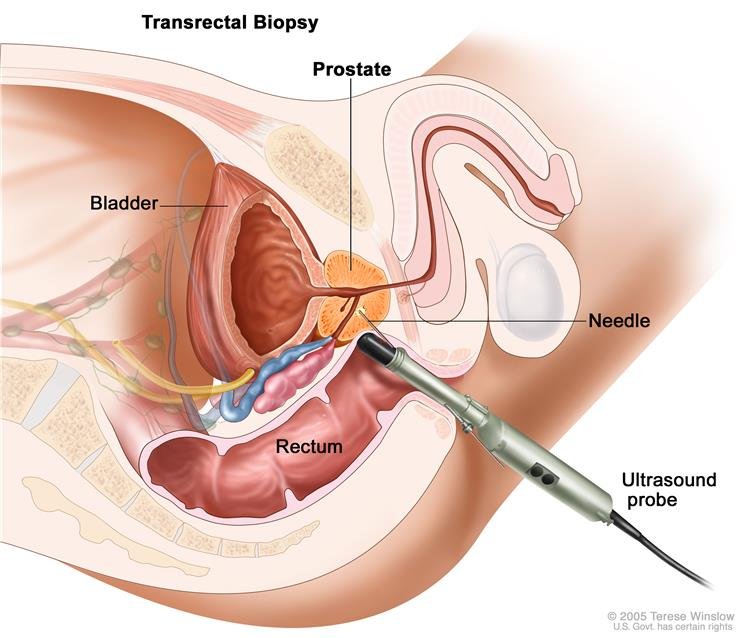
A prostate biopsy will also cause a temporary increase in the PSA level. Therefore, if for some reason a repeat PSA level is desired after a patient has had a prostate biopsy, a repeat PSA should not be drawn for at least 6 weeks after the biopsy.
A rectal exam or an ejaculation may cause a mild rise of PSA, but not enough to cause a normal value to increase into the abnormal range; therefore, a patient can have a PSA level drawn after his physician has examined him or after he has ejaculated.
A cystoscopy, or looking into the bladder with a special instrument inserted through the penis, usually does not cause a significant change in the PSA level, but most urologists prefer to obtain the PSA value prior to the cystoscopy.
Terms:
Prostatitis – an inflammation or infection of the prostate gland
Hematospermia – the presence of blood in ejaculate (semen).
Cystoscopy – a procedure to look into the bladder and urethra with a special tube.