10 Important Facts About Vitamin K That You Need to Know
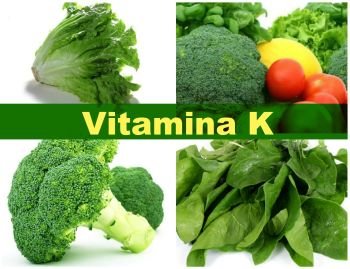
Vitamin K
What Is Vitamin K?
There are two forms of vitamin K: menaquinone and phylloquinone.
Menaquinone is synthesised by the bacteria that exist naturally in your intestinal tract. Phylloquinone is found in green plants and is the primary source of vitamin K in your diet.
Functions of Vitamin K
Vitamin K Is Essential for Blood Clotting
An easy way to remember vitamin K’s major function is to associate the letter K with “klotting.”
Vitamin K plays a major role in blood coagulation or clotting. Blood clotting is a complex chain of events involving substances in your blood, many of which are proteins, called clotting factors. Vitamin K plays a role in synthesising four of these clotting factors. Without vitamin K, a simple cut on your finger would cause uncontrollable bleeding.
Vitamin K Is Important to Bone Health
Acting as a coenzyme, vitamin K aids an enzyme that alters the bone protein osteocalcin. Vitamin K enables osteocalcin to bind with the bone-strengthening mineral calcium.
Chronic inadequate amounts of dietary vitamin K may be a factor in osteoporosis. In a study of women over a ten-year period, researchers found that a low dietary intake of vitamin K was associated with an increased risk of hip fractures.
Research continues in the area of vitamin K and bone health.
Daily Needs
Currently, it is not known how much of the vitamin K made from bacteria in your intestinal tract truly contributes to meeting your daily needs. Because of this, it is hard to pinpoint the exact amount you need to consume daily in your foods. Therefore, the recommendation for dietary vitamin K is based on the current amount that is consumed, on average, by healthy Americans.
Adult women need 90 micrograms of vitamin K per day, and men need 120 micrograms daily.
Food Sources
When it comes to meeting your vitamin K needs, think green. Vegetables like broccoli, spinach, salad greens, Brussels sprouts, and cabbage are all rich in vitamin K. Vegetable oils and margarine are the second largest source of vitamin K in the diet.
A green salad with oil and vinegar dressing at lunch and 3⁄4 cup broccoli at dinner will meet your vitamin K needs for the entire day.
Too Much or Too Little
There are no known adverse effects of consuming too much vitamin K from foods or supplements, so an upper intake level hasn’t been set for healthy people.
Individuals taking anticoagulant (anticlotting) medications such as warfarin (also known as Coumadin) need to keep a consistent intake of vitamin K. This medication decreases the activity of vitamin K and prolongs the time it takes for blood to clot. If these individuals suddenly increase the vitamin K in their diets, the vitamin can override the effect of the drug, enabling the blood to clot too quickly. In contrast, a sudden decline in dietary vitamin K can enhance the effectiveness of the drug.
A vitamin K deficiency severe enough to affect blood clotting is extremely rare in healthy individuals.26 People with illnesses affecting absorption of fat in the intestinal tract, which is necessary to absorb fat-soluble vitamin K, may be at risk of not meeting their vitamin K needs.
Table Tips
Getting Your Ks
Have a green salad daily.
Cook with soybean oil.
Add shredded cabbage to your salad, or top it with a scoop of coleslaw.
Add a tad of margarine to your steamed spinach. Both will provide some vitamin K.
Dunk raw broccoli florets in salad dressing for two sources of vitamin K.