Intravenous TPA is the only FDA-approved therapy for acute ischemic stroke, based on the pivotal NINDS TPA Stroke Study. The drug is now approved in North America, Europe, and
Having given this cautionary statement, there is some variability in how strictly the published exclusion criteria are applied in practice at our own center. For the most part, the following indications and contraindications follow published guidelines.1,2 We have indicated beneath each guideline where we might allow some flexibility in interpreting these criteria.
TPA indications
- Age 18 or older – There are no data to guide treatment in children. However, there are case reports of older children being treated with TPA using adult criteria.
- Clinical diagnosis of ischemic stroke causing a measurable neurological deficit – Stroke must be of more than minimal severity (in almost all cases, NIH stroke scale score > =3).
- We use the criterion, ‘‘would it be disabling if the deficit were to persist?’’
- Onset of stroke symptoms well established to be less than 180 minutes (3 hours) before treatment would begin – We have addressed the importance of establishing the time of onset.
Strong contraindications
- Symptoms minor or rapidly improving – This is one of the most difficult decisions in treating patients with TPA. Guidelines state not to treat a patient who is rapidly improving. However, we have found that many such patients recover substantially but are still left with a disabling deficit. Even patients with very mild strokes benefit from TPA treatment, and intracranial bleeding complications in such patients are very rare. Therefore, instead of automatically excluding all patients who are improving or have minor deficits, we would still treat the minor or improving patient whose deficit, at the time you are ready to treat, would be disabling if it persisted.
- Known history of intracranial hemorrhage.
- Symptoms suggestive of subarachnoid hemorrhage.
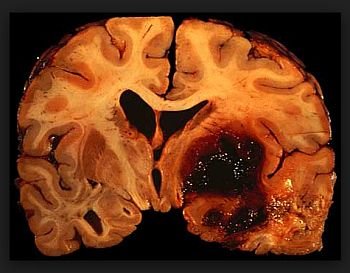
- Any evidence of bleeding on the pretreatment head CT – It is uncertain whether patients with ‘‘microbleeds’’ that are seen on gradient echo MRI (and not CT) can be safely treated. Most recent data suggest that they do not pose an increased risk of bleeding after TPA, but the data are still inconclusive. However, if there is any bleeding seen on the CT, the patient should not be treated.
- Intracranial neoplasm, untreated arteriovenous malformation (AVM), or aneurysm that is at risk of bleeding – If the patienthas an aneurysm or AVM that has been surgically clipped or repaired more than 3 months ago, we would probably allow treatment, though we would probably do a CT angiogram first to confirm obliteration of the lesion. Many patients with benign brain tumors such as meningiomas also have been treated without complications. However, patients with more aggressive brain tumors should not be treated.
- Significant hypo density or mass effect on pretreatment CT – Early ischemic changes on the CT is not a contraindication. However, clearly demarcated hypo density suggesting that the stroke is more than 3 hours old would argue against treatment. Mass effect with compression of the ventricle or midline structures would suggest a non-stroke etiology.
- Previous stroke, intracranial surgery, or serious head trauma within the past 3 months.
- Major surgery within the last 14 days.
- Sustained systolic blood pressure greater than 185mm Hg.
- Sustained diastolic blood pressure greater than 110mm Hg.
- Aggressive treatment necessary to lower blood pressure to these levels.
- Gastrointestinal or urinary tract hemorrhage within the last 21 days – In some cases, we are not so rigid with regard to time intervals for GI and GU bleeding, allowing for clinical judgment based on the severity of the anticipated risk vs. the possible benefit. For instance, one might be willing to treat a patient with a very severe stroke who has had some recent GI bleeding, knowing that they might have this complication, but also knowing that without treatment the outcome is likely to be very poor. This risk would be less acceptable in a patient with a milder stroke. The main caveat is that if the patient is actively bleeding, as evidenced by a low hemoglobin/hematocrit, they should not be treated. If you do treat a patient with risk of bleeding, then consultation with the appropriate surgical consultant who could help manage the hemorrhagic complication should be obtained at the time of treatment, in anticipation of, and not after, the complication occurs.
- Arterial puncture at a no compressible site or lumbar puncture – Guidelines state that TPA should not be given within 7 days of such punctures, but clinical judgment is necessary. Usually, 24 hours should be a sufficient interval if there is no evidence of an especially traumatic puncture.
- Received heparin within 48 hours and has an elevated PTT.
- Platelet count less than 100,000.
- INR greater than 1.7 or known bleeding diathesis – We are a little more conservative than published guidelines about the INR level that would allow treatment with IV TPA. In the
- NINDS trial, the cutoff used was a prothrombin time (PT) of 15 seconds. There is debate as to what INR level correlates with this level of PT. However, we know that increased bleeding occurs when patients treated with warfarin reach an INR of 1.7 or higher. For this reason we tend to be a little more conservative and use an INR cutoff of 1.6. We send patients with INRs above this level to intra-arterial mechanical clot removal.