From what I’ve heard of osteopathy and chiropractic, they seem very similar. How are they different?
Osteopathy and chiropractic are both forms of manipulation therapies. Chiropractic was founded by Daniel D Palmer and osteopathy was founded by Andrew Taylor Still. They are very similar therapies, working with bones, muscles, tendons and ligaments to treat problems with structure and function but practitioners of chiropractic believe that many health problems are caused by the spine being out of alignment.
Are osteopathy and chiropractic safe?
The most common unwanted effects tend to be mild pain or discomfort at the site of manipulation, slight headache or fatigue; the vast majority resolves within 24 hours. Risk factors need to be evaluated before treatment is commenced to minimize the chance of more serious complications occurring.
The most serious events are associated with neck manipulation and include stroke and injury to the spinal cord. They are very rare, though, and statistics range from 1 in 20,000 to 1 in a million neck manipulations. If you are considering trying either technique, talk to the practitioner frankly about any reservations you might have.
What is osteopathy?
My cousin says it has helped her headaches. Osteopathy is a form of therapy based on the idea that the muscle-skeletal system is at the root of many disorders and conditions.
Osteopaths work by manipulating your muscles, joints and tendons. Some employ a variety of techniques using limbs to make ‘levered thrusts’ or functional techniques using gentle but prolonged pull and rotation to release muscle tension and ease symptoms.
Some also use techniques called cranial osteopathy or cranio-sacral therapy, in which they gently manipulate the bones of the skull and sacrum to correct symptoms.
In the
I hate relying on drugs to control my headaches. Might a course of osteopathy help?
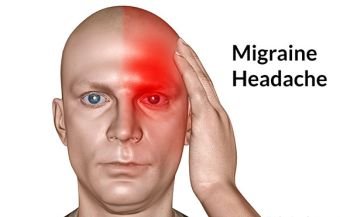
Headache is a pain condition and osteopathy can help ease pain symptoms. Headache symptoms may be triggered from neck or back problems, leading to muscle spasm and hence headache. Osteopathy may be able to relieve neck and back problems and therefore the muscle spasm. This in turn will tend to raise the threshold for triggering symptoms of a headache, the headache being either a tension-type headache or a migraine.
I’d like to try osteopathy to see if it helps. How can I find an osteopath?
The best source of information will be the regulatory body, the General Osteopathic Council or your doctor might know of an osteopath who practices in your area. Remember, though, that your doctor may not be happy to suggest a local therapist if one is not personally known to them.
If osteopathy does not help me, could or should I try seeing a chiropractor?
It is possible that, for you, one treatment will work better than the other, and you are unlikely to come to harm by trying either or both. It may be that the slightly different philosophies and approaches to treatment will produce a more positive outcome. The only way to find out is to try the other if the first does not seem to help you in the way that you wish or expect.
Are chiropractors registered and regulated in the same way as osteopaths?
Yes, they are. Chiropractors are regulated by two Acts of Parliament passed in the mid-1990s that established the General Chiropractic Council. They complete a full-time four- or five-year course and achieve a BSc degree in human sciences and chiropractic. There is also a postgraduate year of training that result in a diploma in chiropractic. All chiropractors are able to apply for membership of the
What can I expect during a course of chiropractic treatment?
Chiropractors use a short, sharp motion or ‘high-velocity thrust’ applied to the spine and may also use a range of soft-tissue manipulation techniques that are gentler. McTimoney chiropractic has its own range of techniques, with less emphasis on high-velocity thrusts.
Each session lasts between 15 and 30 minutes, and up to six sessions are needed. The first few sessions tend to be given at fairly short intervals, becoming less frequent with time.
I’d like to try chiropractic. How can I find a chiropractor near me?
The best source of information will be the General Chiropractic Council or your doctor might know of a chiropractor who practices in your area. Remember, though, that your doctor may not be happy to suggest a local therapist if one is not personally known to them.