The Many Names And Faces Of Vitamin B3
PREGNANT WOMEN SHOULDN’T START TAKING VITAMIN B3 JUST YET
http://www.nutraingredients.com/Research/Is-there-a-role-for-vitamin-B3-in-preventing-birth-defects
Niacin (B3)
What Is Niacin?
Niacin, or vitamin B3, is the generic term for nicotinic acid and nicotinamide, which are the two active forms of niacin that are derived from foods.
Functions of Niacin
Niacin Is Needed to Use the Energy in Your Food
Niacin is another nutrient your body needs in order to use carbohydrates, proteins, and fats. Without niacin, you wouldn’t be able to create energy from the foods that you eat. Niacin is also needed to synthesize fat and cholesterol.
Other Functions of Niacin
Niacin is needed to keep your skin cells healthy and your digestive system functioning properly.
Niacin has been shown to lower the total amount of cholesterol in the blood and the “bad” LDL cholesterol carrier. It can also lower high levels of fat (triglycerides) in the blood and simultaneously raise the level of the “good” HDL cholesterol carrier. The nicotinic acid form of niacin is sometimes prescribed by physicians for patients with high blood cholesterol levels. When niacin is used to treat high blood cholesterol, it is considered a drug. The amount prescribed by a physician is often more than 40 times the upper level for niacin. Note that you should never consume high amounts of niacin unless a physician is monitoring you.
Daily Needs
The recommended daily amount for adults is 14 milligrams for women and 16 milligrams for men, an amount set to prevent the deficiency disease pellagra. American adults, on average, far exceed their daily niacin needs. Niacin is found in many foods, but it can also be synthesized in the body from the amino acid tryptophan. For this reason, your daily niacin needs are measured in niacin equivalents (NE). It is estimated that 60 milligrams of tryptophan can be converted to 1 milligram of niacin or 1 milligram NE.
Food Sources
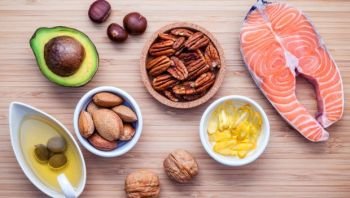
Niacin is found in meat, fish, poultry, enriched whole-grain bread and bread products, and fortified cereals. Protein-rich foods, particularly animal foods such as meat, are good sources of tryptophan and thus of niacin. However, if you are falling short of both your dietary protein and niacin, tryptophan will first be used to make protein in your body, at the expense of your niacin needs. As with thiamin, your niacin needs are probably met after you eat your breakfast and lunch, especially since similar foods contain both vitamins.
Too Much or Too Little
As with most water-soluble vitamins, there isn’t any known danger from consuming too much niacin from foods such as meat and enriched grains.