MOVIE

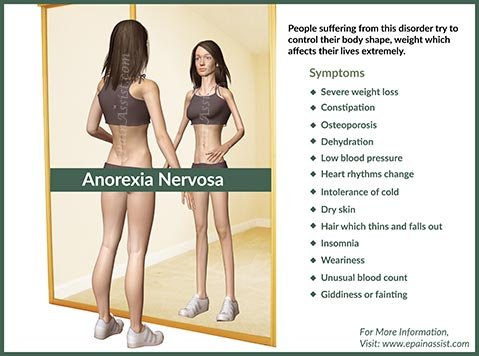
My daughter recently said she just wants to lose “a little weight” in order to feel better about herself. Should I be concerned?
Many parents echo such concerns. It can be both difficult and confusing to sort through the many mixed messages about the benefits and risks of dieting.
On the one hand, parents know that there are proven health benefits to a balanced diet that is low in saturated fats and simple sugars. On the other hand, moms and dads know that attention paid to dieting, weight loss, and body shape can become a preoccupation that leads some kids down a path toward body dissatisfaction and disordered eating.
If your teenager expresses discomfort or dissatisfaction with some aspect of their body shape, they are not alone. In fact, 40-60% of normal weight teens describe themselves as weighing too much. More than 50% of teens exercise to lose weight or improve their body shape, 60% diet regularly, and the majority are preoccupied with their food intake. Alarmingly, in a survey that gave three magic wishes for anything they wanted to girls aged 11 to 17, the number one wish for almost all of them was to lose weight and keep it off!
We know that the prevalence of unhealthy diet behaviors is unprecedented in today’s society. A 2008 issue of Self magazine reported that 65% of American women surveyed between the ages of 25 and 45 report engaging in disordered eating behaviors, and a full 75% endorse some unhealthy thoughts, feelings, or behaviors associated with their bodies, weight, or food intake. In another survey, two out of five women and one out of five men said they would trade three to five years of their life to achieve their weight goals! Indeed, unhealthy dieting and body image dissatisfaction are commonplace in our society; however, you may not be aware of how early the weight obsession is starting.
• Research shows that dieting to lose weight and fear of fatness are common in girls as young as 7, and 81% of 10-year-old girls say they are afraid of being fat.
• In 1970, the average girl started dieting at age 14; by 1990, the average age dropped to 8. Fifty-one percent of 9- and 10-year-old girls say they feel better about themselves when they are on a diet, and one-half of 4th grade girls are on a diet.
• A 1998 study of 6th to 8th grade boys reported that 4% attempted to lose weight through self-induced vomiting and/or laxative use (Walsh and Cameron 2005).
• Nearly one-half of teenage girls and one-third of teenage boys use unhealthy weight control behaviors such as skipping meals, fasting, smoking cigarettes, vomiting, or taking laxatives.
• A recent study showed that adolescent girls were more afraid of gaining weight than of nuclear war, developing cancer, or losing their parents.
Each year since 1996, more than 40 billion dollars has been spent annually in the
Countless billions more are spent on advertising for diet products. However, one thing that advertisers of weight loss products will not tell you: Dieting can be dangerous. In fact, recent studies show that unless there is a medical necessity, weight-loss diets may just do more harm than good. Not only can dieting trigger behaviors and attitudes about weight that may progress into a more serious eating disturbance, but studies show that repeated cycles of losing and gaining weight can have negative, harmful effects on health, such as loss of endurance, decreased oxygen utilization, electrolyte imbalances,
weakness, increased risk of heart disease, metabolic changes, and osteoporosis. In addition, medical studies show that dieters have slowed mental reaction time, decreased working memory capacity, and reduced concentration. Chronic dieting has been linked to depression, low self-esteem, anxiety, stress, and increased binge/purge behaviors.
So, if you are concerned by your child’s sudden interest in dieting, perhaps you are justified. While dieting can be done safely, it can also pose serious health risks. Moreover, an early interest in dieting can suggest a problem with your child’s self-image. Keep in mind, studies show that the risk of developing an eating disorder increases with an earlier age at onset of dieting behaviors.
Sarah shares:
When I was in 8th grade, I went to the doctor’s office for a checkup and was told that I was above the 50th percentile for height and weight. I decided that I would be happy with myself if I lost five pounds, and when I lost the weight I honestly did look in the mirror and liked what I saw. But I had developed an incredibly hostile relationship with food to lose just those few pounds, and my diet quickly moved from wanting to lose weight to being terrified of gaining it. I kept restricting, thinking that it would keep me at a constant weight, and even though I didn’t like it when I continued to grow thinner, I was unable to face the thought of increasing my calorie intake or gaining any weight back.
Alarmingly, in a survey that gave three magic wishes for anything they wanted to girls aged 11 to 17, the number one wish for almost all of them was to lose weight and keep it off!
Weight-loss diets may just do more harm than good