The science of calorie restriction
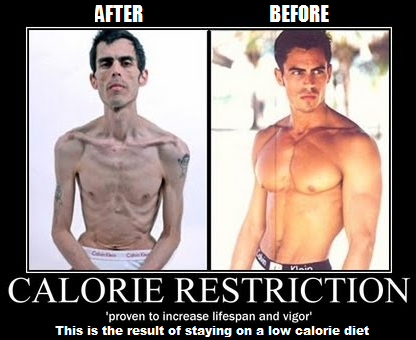
I read somewhere that restricting calories is good for you and may even be associated with better health and a longer life. So what is wrong with trying a calorie-restricted diet for health-related purposes?
You are probably referring to “Calorie Restriction,” also known as CR, a diet plan that emphasizes the reduction of caloric intake, purportedly in the pursuit of “better health.”
Promoters of this approach emphasize that the focus of CR is not weight loss but the pursuit of a longer life span and the reduction of health problems typically associated with aging.
Calorie Restriction proponents base their claims regarding the benefits of CR on research first conducted in the 1930s when a nutritionist from Cornell University accidentally discovered that underfed rats lived longer than rats who were fed a higher calorie diet. While similar results have been found in worms, monkeys, dogs, and other animals, there is no evidence that CR leads to a prolonged lifespan in humans. There has been some evidence that CR may lead to lower blood pressure and lower cholesterol; however, the same results are achieved through a balanced approach to diet and exercise.
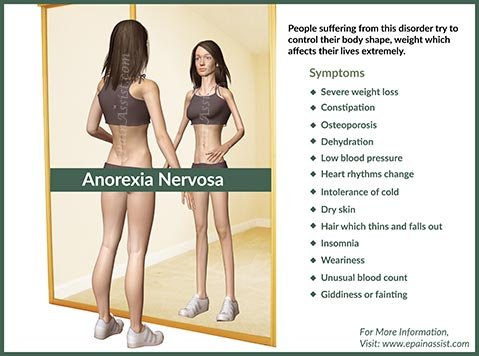
Evidence also indicates there are some serious concerns associated with CR, namely an increased risk of serious eating disorders such as anorexia nervosa. Calorie Restriction has also been associated with decreased bone density, high risk of bone fracture, increased sensitivity to cold, anemia, weakness, dizziness, fatigue, lethargy, nausea, constipation, gallstones, irritability, depression, menstrual irregularities, and infertility; the same subset of health risks we find in patients with anorexia.
Additionally, studies show that people adhering to a CR diet present many of the same behavioral symptoms associated with anorexia, such as food obsession, decreased sexual drive, and increased sensations of hunger. Although very little is known about the long-term effects of CR on normal-weight individuals, research has shown that individuals with a very low BMI have a higher risk of death.
Given the risks associated with CR, a more balanced approach toward enhancing health and longevity-one that does not mimic the dangerous dietary restrictions associated with anorexia nervosa-would be a far better choice.