VIDEO
Effects of High Blood Pressure on your Body
High blood pressure with other problems
High blood pressure is rarely a singular condition. More often high BP occurs in conjunction with other medical conditions.These conditions can alter a person’s risk of stroke or heart attack (cardiovascular disease) or require ‘tailoring’ of BP drugs.
Heart problems, diabetes and kidney disease are all conditions that are associated with increased risk of such problems and, if BP is raised as well, doctors will start you on BP-lowering drugs with a target level in mind. Other conditions discussed are not associated in themselves with increased risk but have important implications in terms of selecting the right drug for you.
Heart problems
I know that I am overweight and am having difficulty in giving up smoking. You have spoken about risk factors that might increase my chances of having a stroke or heart attack. How will all this relates to what drugs are chosen for reducing my BP?
Assessment of your risk is necessary in order to choose the right drugs for you and your specific circumstances. Absolute risk assessment seeks to identify all important risk factors that may need treatment as well as high BP. It can also establish the absolute benefit each person can expect from particular drug and non-drug treatments. For some people, there may be other risks that take precedence over the treatment of high BP. For example, someone with bad chronic obstructive airways disease and urinary incontinence has more immediate problems in terms of quality of life and alleviation of discomfort than the introduction of another set of drugs, which may make management of their obstructive airways disease and urinary incontinence worse.
Prioritization of treatments for people like you with perhaps multiple cardiovascular risk factors and coexisting conditions is very difficult both for health professionals and for the people themselves. Making decisions about which risks take precedence and how treatment should be tailored to address these is a time-consuming and challenging process. Information about different risks is now becoming increasingly available in the media. When making a decision about various treatments, you need to consider the expected benefits and harms, the interaction of drug treatment for high BP with any other conditions that you might have, and what your own personal value and preferences about life-long treatment might be.
I have been diagnosed with angina and now to top it all I have high BP as well. What drugs are likely to help me the most?
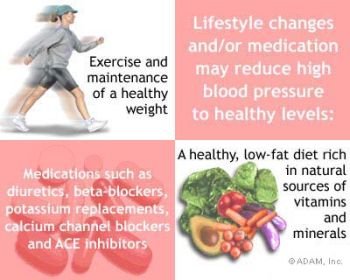
People with angina or who have suffered a heart attack (‘myocardial infarction’) are by definition at high risk of suffering another attack. In people with a history of angina, and particularly in those who have had a previous heart attack, beta-blockers have been shown to have clear benefits in both relief of symptoms of angina and reduced risk of death from heart attacks. For this reason beta-blockers are often used as the first treatment for high BP. Calcium-channel blockers may also provide symptomatic relief for angina. ACE inhibitor drugs have been shown to be highly effective in reducing mortality, particularly if you have a high risk of cardiovascular disease. In people with a history of heart attack, who also suffer from heart failure, calcium-channel blockers are not recommended.
I suffered a heart attack recently and have now developed heart failure. What drugs are most effective for my raised BP and what drugs should I avoid?
In people with heart failure, ACE inhibitors are the best treatment. They have been shown to reduce the risk of death irrespective of heart failure severity. Angiotensin II receptor blockers have also been shown to be highly effective in people with heart failure. These are generally reserved as second-line drugs in people in whom side effects of ACE inhibitors are troublesome or in whom symptoms of heart failure are not sufficiently relieved. Beta-blockers also are good for heart failure and can be recommended for BP lowering with additional benefits in people with heart failure.
Alpha-adrenoceptor blocking drugs and long-acting calcium channel blockers are associated with worsening of heart failure and increasing risk of death.
Hypertension with other problems
I have an irregular heartbeat, which my doctor says is caused by what they called ‘atrial fibrillation’. What is this exactly and how does it affect management of my high BP?
Atrial fibrillation means irregular and uncoordinated movement of the fibers of heart muscle, so that, instead of acting effectively together to squeeze blood through the heart, they form an ineffective, trembling bag. When this happens in the main chambers of the heart, the ‘ventricles’, your heart stops and you die unless someone can stop this process by giving your heart an electric shock. Atrial fibrillation affects only the two upper and less important chambers of the heart, the auricles, or atria.
Atrial fibrillation is quite common, particularly in people aged over 70. Occasionally, normal heart rhythm can be restored, either by drugs or by giving a controlled electric shock, sometimes followed by insertion of a pacemaker to maintain normal rhythm. This is rarely necessary. The most important issue is to prevent blood clots forming in the atrial chambers of your heart by using anticoagulants such as warfarin or aspirin.
Thinning of the blood has been shown to prevent the clots in the atria becoming dislodged, travelling to your brain, and causing a stroke. If you do have atrial fibrillation, it is important that you consider taking some form of blood-thinning drug to reduce your risk. Your risk of suffering a stroke will be determined by your age (your risk of stroke increases as you get older), whether or not you have suffered a stroke or a mini-stroke (‘transient ischaemic attack’ or TIA) in the past, whether you suffer from heart failure or whether you suffer from high blood pressure.
Many people who suffer from heart failure also suffer from atrial fibrillation. For most people with heart failure, treatment with ACE inhibitors, diuretics, and sometimes digoxin, to slow their heart rate and raise heart output, alleviates symptoms and improves their quality of life. They usually take some form of blood-thinning medication as well, to reduce their risk of stroke.
If you also have high BP, this is likely to have been one of the main causes of your heart failure. Paradoxically, your BP will tend to fall as your heart fails, and to rise as heart failure is controlled and heart output rises. The main consequence for management is that you will need carefully balanced medication, both to treat your heart failure, to make sure your BP doesn’t go too high again, and to control the thinness of your blood. Your kidney and liver functions will be monitored closely by regular blood tests.
I am aged 70. Will I be offered anything different for my raised BP because of my age?
Older people (those aged over 65 years) have a greater risk of stroke or heart attack because of their age alone. Low-dose diuretics have been shown to be highly effective for older people with high BP. An alternative is a calcium-channel blocker if you can’t be given thiazides. Rather confusingly, a recent large scale clinical trial in the
Calcium-channel blockers would not normally be given if you have already had a heart attack.