Every organ in the human body is made up of a mixture of cells that cooperate to support the functions of that organ. For example, the heart contains cardiac muscle cells that enable it to pump and nerve cells that transmit electrical signals that spark the muscle to pump in a rhythmic fashion. Another example is the breast or mammary gland, whose main function is the production of milk to sustain the newborn. Breast milk is produced by the glandular portions of the breast, composed of glandular (or gland) cells.
The gland cells are surrounded by fatty tissue, which is made up of fat cells. The glands and fat are given structural support by fibrous tissue and are supplied with blood and nutrients by arteries, veins, and lymphatic vessels. All of these parts of the breast except for the glands can be viewed as supporting elements and are collectively referred to as “connective tissue.” In addition, lymph nodes containing immune cells are present in the breast, just as they are throughout the body.
The glands of the breast are composed of a branching system of ducts and lobules surrounded by fat. These glands react to the levels of female hormones circulating in the body. As levels of estrogen and progesterone fluctuate during the menstrual cycle, the breast glands swell and shrink.
During pregnancy, a tremendous increase in the level of estrogen stimulates the growth and expansion of the ducts and lobules, culminating in milk production (lactation). Therefore, the cells that line the ducts and lobules of the breast glands are dynamic and strongly affected by their hormonal environment. This fact will become relevant when I discuss the effects of hormones on the growth of breast cancer.
The glandular cells of the breast are derived from a type of cell called an epithelial cell. Epithelial cells tend to pack closely together to form a continuous layer of cells called the epithelium, which forms the inner and outer linings of many body surfaces.
The epithelium protects the tissues beneath it from the outside world. In addition to the breast, other tissues that contain epithelium include: skin, where it is better known as epidermis; the inner lining of the gastrointestinal tract, which consists of the mouth, throat, esophagus, stomach, small intestine, and colon; the liver, pancreas, and gallbladder; the lining of the lungs and bronchial tubes; the kidneys, ureters, bladder, and prostate gland; and the uterus, fallopian tubes, and ovaries.
The epithelium is also responsible for the release of important products, such as digestive enzymes made by the pancreas that enable us to absorb the nutrients in food.
Whether it is a hot sun burning the skin, spicy food wreaking havoc on the stomach, or cigarette smoke singeing the throat, the epithelium is our first defense against the elements.
As such, there is considerable wear and tear on the epithelium and the need for injured and old cells to be replaced with new ones; many new skin cells are created every day as old ones are sloughed off. This high rate of cell turnover, coupled with the direct exposure of epithelium to environmental toxins, places it at increased risk for being damaged and converted into cancer.
Cancers derived from epithelial cells are called carcinomas. Carcinomas account for most of the commonly occurring cancers in adults. In contrast, carcinomas occur only rarely in children (leukemia, lymphoma, and brain tumors account for half of childhood cancers).
The ten leading cancer sites for adult men and women are listed below in order of decreasing frequency.
The most common cancer sites for men are:
1. Prostate
2. Lung
3. Colon/rectum
4. Bladder
5. Non-Hodgkin’s lymphoma
6. Melanoma
7. Kidney
8. Oral cavity and throat
9. Leukemia
10. Pancreas
The most common cancer sites for women are:
1. Breast
2. Lung
3. Colon/rectum
4. Uterus
5. Non-Hodgkin’s lymphoma
6. Thyroid
7. Melanoma
8. Ovary
9. Kidney
10. Leukemia
Lymphoma and leukemia arise from blood or lymph-forming cells rather than epithelial cells. Melanoma, in contrast to other skin cancers that are carcinomas (basal cell and squamous carcinomas), derives from distinct cells called melanocytes rather than epithelial cells.
Although ten cancers are listed here, the top three for men (prostate, lung, and colon cancers) and women (breast, lung, and colon cancers) account for more than half of all cancers. Many other less frequently occurring cancers are also carcinomas, such as testicular cancer and cancers of the larynx (voice box), esophagus, stomach, anus, liver, gallbladder, and sweat glands.
It follows then, that a person diagnosed with a cancer at one of the above sites can look at his or her pathology report and see the word “carcinoma.” This means that the pathologist can tell from the appearance of the cancer under the microscope that it originated in an epithelial cell in the affected site. Therefore, most patients with ovarian cancer have “ovarian carcinoma,” those with colon cancer have “colon carcinoma,” those with prostate cancer have “prostate carcinoma,” and so on. Many are also labeled “adenocarcinoma,” the most common form of carcinoma.
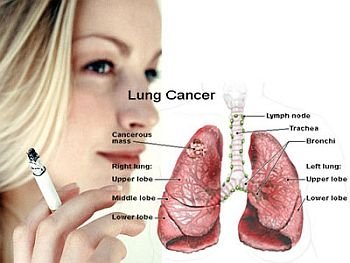
I didn’t say that all patients with these cancers have carcinoma, because other kinds of rare tumors can affect these sites. The devil is in the details; patients affected by rare tumor types are made aware of the differences by their oncologists. Within each broad category of carcinoma there are many subtypes, classified by pathologists based on variations in how they appear under the microscope. For example, carcinomas of the lung can be of the small cell (15 percent of cases) or non-small variety (85 percent of cases). The non-small cell tumors can be further classified as squamous cell carcinoma, adenocarcinoma, large cell carcinoma, and other types. In the case of breast cancer, although ductal carcinoma is the most common type, some other varieties include lobular, inflammatory, medullary, and tubular. The pathologic classification of cancer is anything but simple!
The specific subtype of a carcinoma is noted in pathology reports. If you are a cancer patient, the specific subtype of carcinoma that you are dealing with may be important to know because rarer forms of common cancers may follow a different course or be treated differently than the more common forms. For example, tubular carcinoma of the breast tends to be less aggressive than the more common invasive ductal type and may not require chemotherapy. Similarly, knowledge of lung carcinoma subtypes is important because targeted drug therapies may work best on particular subtypes of lung cancer: the. Every patient should review the key findings of the pathology reports with his or her oncologist.