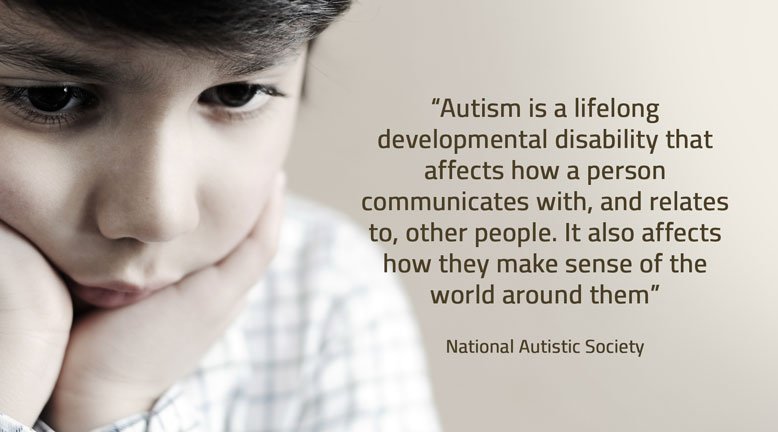
Can I wait to have my child tested for autism?
Many parents are reluctant to have their child labeled as autistic. They feel that waiting a few months or a few years will give their child a chance to improve or “get out of this difficult phase.”
This reluctance is understandable, because autism is a devastating disease and no parent can comfortably embrace this diagnosis.
However, putting off an evaluation will not change your child’s diagnosis, but it will keep him or her from getting early intervention.
Despite the apprehension that patients and their family may have, once the diagnosis has been made, patients and families often remark how much they have benefited from an official diagnosis of the condition.
Getting a definitive diagnosis and in-depth explanation of all the manifestations of the disorder can bring a sense of relief, both for the family-and sometimes for the person themselves-particularly in the case of those at the more able end of the spectrum. A definitive diagnosis also provides the patient, the family, and the school system with the ammunition to argue for the most appropriate services.
Evidence over the last 15 years indicates that intensive early intervention results in improved outcomes in autistic children. This is especially true if the interventions are carried out in optimal educational settings for at least 2 years during the preschool years. Unfortunately, getting a diagnosis of autism or Asperger syndrome-and most especially an early diagnosis-is often a long and arduous battle. The definitive diagnosis is complicated by parental reluctance and professional unfamiliarity with the condition. However,
parents should persevere in this battle for the benefit of their children. Research with children who have, or are at risk for, various disabilities has shown that effective early intervention can substantially reduce their need for specialized services later on. To be effective, however, researchers have found that early intervention must be:
1. Comprehensive
2. Intensive
3. of long duration
4. Individualized
5. Delivered directly to children
The principles and methods of applied behavior analysis (
Getting a definitive diagnosis and in-depth explanation of all the manifestations of the disorder can bring a sense of relief, both for the family-and sometimes for the person themselves- particularly in the case of those at the more able end of the spectrum.