How should hypertension be handled?
Patient comment:
When your blood pressure is elevated, you need to have regular medical check-ups by your physician throughout your entire life.
High blood pressure usually doesn’t just go away, and it may require one or more medications. When your doc-tor prescribes any medication, you should not stop taking it without discussing it with the doctor first. Remember that many people with high blood pressure do not have any significant symptoms, and this is the reason why it is often called a “silent killer.” That’s why a regular medical check-up with constant medical care for hypertension is absolutely essential.
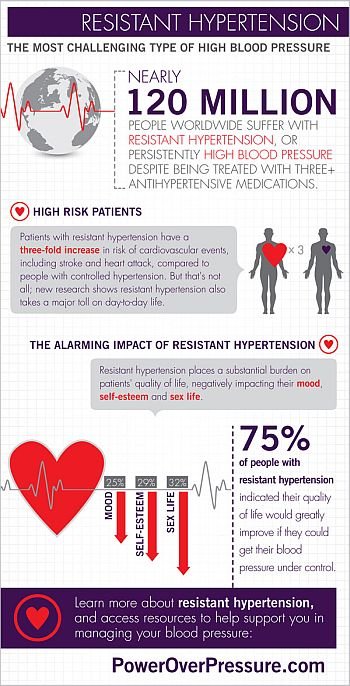
If your BP is found to be high, you should be evaluated immediately by a physician and arrange for proper treatment. Hypertensive people must visit their physicians on a regular basis to receive proper medical care throughout their lives. Unfortunately, nearly one-half of the people with high BP are not receiving any form of medical therapy, and 30% of affected people are receiving inadequate medical care. At most, only 20% of hypertensive people receive proper medical therapy to control their BP.
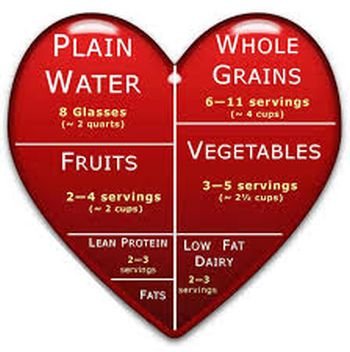
The first line of management for high BP is to control or minimize all risk factors as much as possible. All hypertensive people should keep their ideal body weight and reduce their intake of salt and alcohol. They should stop cigarette smoking but continue proper physical exercise (e.g., walking, jogging, and swimming for 30 minutes 3 to 4 times a week). A healthy diet (e.g., low saturated fat intake) is, of course, important to reduce the risk of high BP and resulting heart attack.
When your doctor determines that one or more antihypertensive agents (drugs to control high BP) are called for, he or she will prescribe proper medication according to the clinical circumstance and your response.
Commonly used antihypertensive medications include a diuretic, a beta blocker, calcium blockers, vasodilators, ACE inhibitors, and adrenergic inhibitors. Only one of these medications can be prescribed, but often you might use two or more together, depending upon your physician’s medical judgment.
Terms:
Antihypertensive – Agent’s medications used to treat hypertension.
Diuretic – Water pill that increases the flow of urine.
Beta-blocking – Agent’s medications commonly used to treat various cardiac arrhythmias, angina pectoris, and hypertension.
Calcium blockers – Medications to treat high blood pressure, cardiac arrhythmias, and coronary artery disease.
Vasodilator agents – Medications used to treat severe heart failure and cardiogenic shock.
Angiotensin-converting enzyme (ACE) – Inhibitors medications commonly used for a variety of cardiac disorders, such as congestive heart failure.
Adrenergic – Inhibitors medications occasionally used to treat hypertension.