VIDEO
MMR Vaccine and Autism: Vaccine Nihilism and Postmodern Science
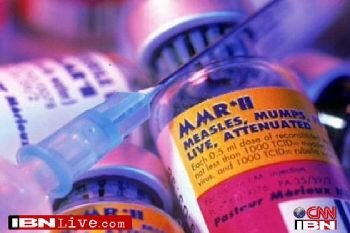
What should a parent do about childhood immunizations?
Parents should familiarize themselves first with the information about the importance of vaccinations. For example, we do know that people will become ill and some will die from the diseases vaccines prevent.
Measles outbreaks have occurred between 2000 and 2002 in the
Discontinuing a vaccine program based on unproven theories would not be in anyone’s best interest.
Parents can become frightened by isolated reports about these vaccines causing long-term health problems.
However, careful review reveals that these reports are isolated and not confirmed by scientifically sound research. Detailed medical reviews of health effects reported after receipt of vaccines have often proven to be unrelated to vaccines; rather they have been related to other health factors. Current scientific evidence does not show that MMR vaccine, or any combination of vaccines, causes the development of autism, including entists at the Centers for Disease Control offer some advice to parents:
The younger sibling of an autistic child can be vaccinated with MMR or other vaccines safely. A younger sibling or the child of someone who suffered a vaccine side effect usually can, and should, safely receive the same vaccine. This is especially true because the large majority of side effects after vaccination are local reactions and fever, which do not represent a contraindication.
It is not appropriate to delay vaccination of a child until more studies are performed on the autism and vaccinations relationship. There is no convincing evidence that vaccines such as MMR cause long-term health effects.
There does not appear to be any advantage to “splitting” the doses of the MMR vaccines into individual components in order to reduce the risk of autism. There is no confirmed scientific research or data to indicate that there is any benefit to separating the MMR vaccine into its individual components.
The specific issue of the safety of multiple vaccines given as one vaccine was addressed by the
Pediatricians suggest that splitting the MMR vaccine into three separate doses given at three different times would cause more discomfort from additional regressive forms of autism. Based on this evidence, sci injections and would leave children exposed to potentially serious diseases. For instance, if rubella vaccine
were delayed, four million children would be susceptible to rubella for an additional 6 to 12 months. This would potentially allow preventable cases of congenital rubella syndrome (CRS) to occur through transmission of rubella from infected children to pregnant women.
Parents can become frightened by isolated reports about these vaccines causing long-term health problems.