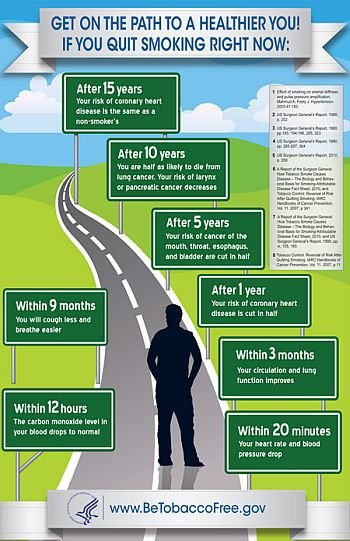
Why is cigarette smoking the major coronary risk factor?
Fifty million Americans still smoke. Cigarette smoking is one of the four major coronary risk factors. If you smoke a pack of cigarettes daily, you have a risk of heart attack more than twice that of nonsmokers.
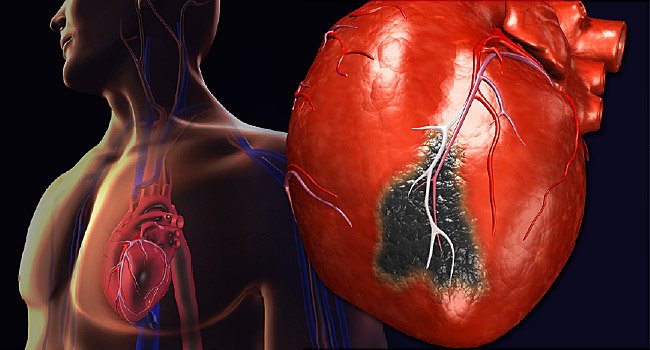
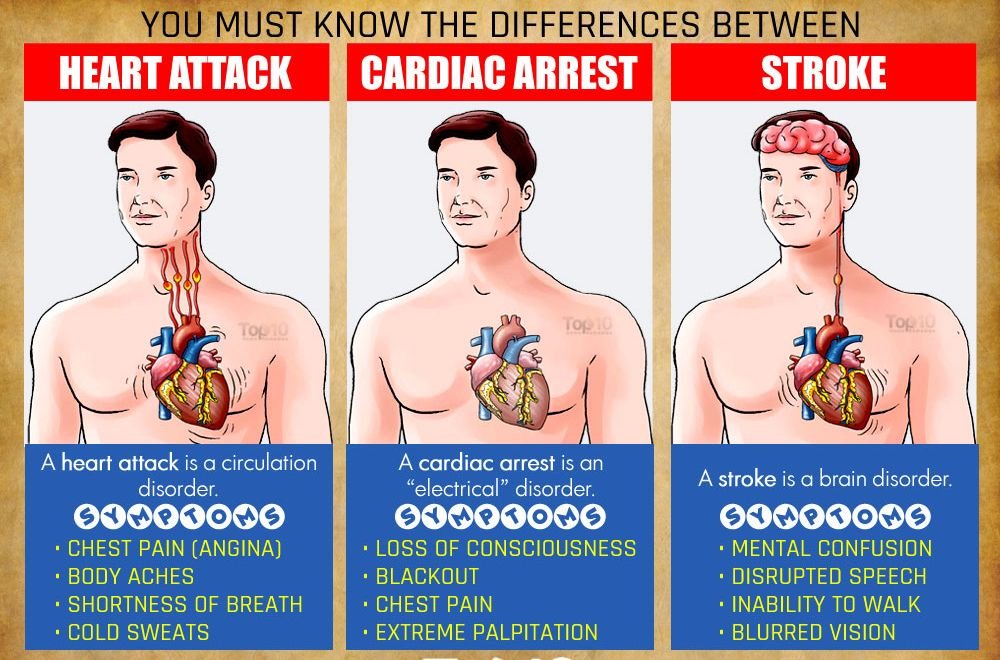
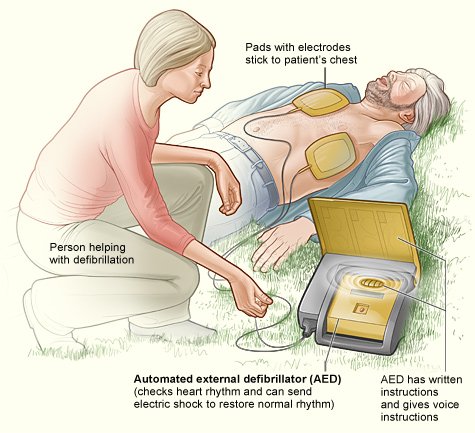
In addition, if you smoke and have a heart attack, you are less likely to survive than a nonsmoker. If you continue to smoke after a first heart attack, your chance of having a second heart attack increases significantly (about two to three times). Death rates increase about twofold when anyone continues to smoke after the first heart attack. Furthermore, smoking increases the risk of sudden cardiac arrest and also the chance of recurrent blockage of the coronary arteries, even after a successful coronary angioplasty (dilatation, or widening of the heart artery using a small catheter, a small plastic tube; or coronary artery bypass graft.
Studies have shown that the chance of smokers in their thirties and forties having a heart attack is 5 times as high as that in nonsmokers within the same age group. The good news is that, if you don’t yet have coronary artery disease, the risk of a heart attack starts to drop as soon as you quit smoking, regardless of how much or for how long you’ve smoked before. About 3 years after you stop smoking, your risk of death from a heart attack is almost the same as if you’d never smoked.
Thus, it’s very important to quit smoking before the signs and symptoms of coronary artery disease show up; if you wait to quit until after the disease is present, the risk of heart attack won’t return to normal even if you quit smoking.
As the major coronary risk factor, smoking produces many harmful effects. Smoking damages the inner lining of the coronary arteries, allowing fatty deposits of cholesterol to collect; this impairs coronary blood circulation. Smoking increases the risk of deadly blood clot formation that leads to a heart attack or stroke. Nicotine also reduces the amount of oxygen in the blood and increases the workload of the heart by raising BP.
Smoking also negatively influences blood cholesterol levels. It elevates the blood levels both of total cholesterol and of LDL cholesterol and reduces the blood levels of HDL cholesterol. In addition, smoking often provokes a variety of arrhythmias that are very harmful or sometimes life threatening in heart attack victims or those with various coronary risk factors.
Family members who live with a smoker and inhale the secondhand smoke (often called passive or secondary smokers) also cannot avoid various harmful effects of smoking, even though the harmful effects may occur to a lesser degree. This discussion of harmful effects of smoking (e.g., predisposing factor for lung cancer) does not go into greater detail here because such aspects are beyond the scope of this book. For the purpose of this discussion, it is enough to say that a smoker or someone who lives with a smoker is at increased risk of coronary artery disease.
If you smoke and have a heart attack, you are less likely to survive than a nonsmoker.
If you don’t yet have coronary artery disease, the risk of a heart attack starts to drop as soon as you quit smoking
Terms:
Coronary angioplasty – dilatation or widening of the narrowed or blocked heart artery using a small plastic tube (catheter).
Catheter – small plastic tube.
Coronary artery – bypass graft procedure that uses a vein from elsewhere in the body, usually a leg, to make a bypass around a blocked coronary artery to reestablish blood circulation in the heart.