“Up/Down” Bipolar Disorder Documentary FULL MOVIE (2011)
About the movie:
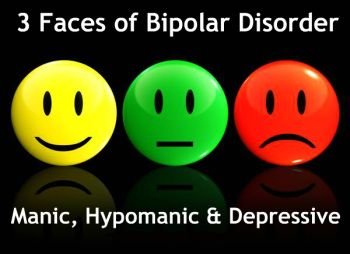
There are approximately 5.7 million people in the United States with bipolar disorder. In an attempt to eliminate the mystery and misinformation surrounding the illness, many throughout the country diagnosed with this condition were interviewed extensively. They diligently explain the struggle to balance themselves between floating to a state of euphoria and sinking to a devastating depression.
In short, “Up/Down” is a personal analysis of bipolar disorder from those living with it. Looking for something with a more scientific or clinical angle?
“Bipolar disorder is just one of many mental illnesses that is still highly stigmatized in our culture today, and ‘Up/Down’ could certainly be instrumental in changing that fact.”
-Microfilmmaker Magazine, Issue 65
Is there a link between epilepsy and bipolar disorder?
Questions about a possible link between epilepsy and bipolar disorder naturally arise due to the fact that anticonvulsants also treat bipolar disorder. From a historical standpoint epilepsy was first thought to be a purely mental or psychological disease, although at that time neurologists were the only specialists who treated both neurological as well as psychiatric conditions, and most medical people felt that psychiatric disorders were fundamentally neurological in origin.
Toward the end of the nineteenth century, epilepsy was beginning to be regarded as a distinct phenomenon, and controversy developed as to whether hysteria, a psychological condition, was actually due to epilepsy or to childhood trauma. Jean-Martin Charcot, a prominent neurologist in France, weighed in on the side of epilepsy, though he was most famous for his studies on hysteria utilizing hypnotism. His clinical picture of hypnotism was similar to the clinical picture he had previously developed for epilepsy. He believed that hypnotism demonstrated that hysteria was a form of epilepsy because it presented with the three clinical stages of catalepsy, lethargy, and somnambulism.
Catalepsy is a type of sudden paralysis, and somnambulism is sleepwalking. Another neurologist, Sigmund Freud, who first began developing his theory of hysteria as having roots in childhood, disagreed. Ultimately Freud’s arguments carried the day. Although Freud and Charcot both believed that all mental diseases were brain diseases, Freud’s writings ultimately led to the development of psychotherapy for all mental illnesses and the brief historical abandonment of biological causes of mental illness.
Research has increasingly demonstrated that the incidence of neurobehavioral disorders is higher in patients with epilepsy than in the general population. The link between neurobehavioral disorders and a particular type of epilepsy known as temporal lobe or complex partial seizures is particularly strong. The underlying mechanisms or causes of bipolar disorder share many similarities with epilepsy. As in epilepsy, the more episodes that occur in a bipolar disorder patient early in the course of the disease, the more frequent and severe later episodes will be. This is thought to be due to a well-known phenomenon called kindling. Kindling is defined as seizures provoked by repeated stimulation of the brain that require less and less intensity. In animal studies a particular stimulus that once required great intensity can thus be extremely faint after kindling to provoke the same level of seizure. The seizure threshold is then considerably reduced. Kindling may also explain why the levels of stress that can precipitate a manic episode in a particular individual often become reduced over time.
Additionally, anticonvulsant agents play an important role in the treatment of bipolar disorder. They affect the same neurotransmitter systems thought to play a role in both conditions-namely, the GABA/glutamate neurotransmitter systems. GABA is the brain’s major inhibitory neuron, suppressing or dampening brain activity through nerve cell membrane stabilization.
Glutamate is the major excitatory neurotransmitter serving to activate brain activity. Seizures can then occur by relative decreases in GABA or increases in glutamate causing large segments of neurons to fire asynchronously or haphazardly. This leads to not only motor disturbances but sensory and mental disturbances as well.
Terms:
Catalepsy – a condition that occurs in a variety of physical and psychological disorders and is characterized by lack of response to external stimuli and by muscular rigidity, so that the limbs remain in whatever position they are placed.
Somnambulism – sleepwalking
Kindling – changes that occur in the brain as a result of repeated intermittent exposure to a sub threshold electrical or chemical stimulus (such as in seizures) so that there develops a permanent decrease in the threshold of excitability.