Syncope emergencies in the dental office

How is diabetes harmful?
Patient comment:
When you have diabetes, the most important thing you should understand is that diabetic people often do not have the usual symptoms of a heart attack. The chest pain that is the most common symptom of a heart attack in non-diabetics is often absent or minimal among diabetic people.
Instead, common symptoms may be unusual weakness, shortness of breath, or dizziness. The so-called “silent heart attack” is very common among diabetic people. Diabetes is the inability of the body (i.e., the pancreas) to produce or respond to insulin properly. If you are healthy, insulin allows your body to use glucose (sugar), but diabetes impairs this function. Adult-onset diabetes usually appears in middle-aged people, particularly those who are obese.
The risk of coronary artery disease, particularly a heart attack, increases with diabetes because the process of atherosclerosis speeds up, along with the bad influences on blood cholesterol and triglyceride levels (e.g., reduction of HDL cholesterol with elevation of triglyceride levels). Therefore, you should maintain your ideal body weight and normal or near-normal blood sugar levels with a proper diet and physical exercise. If the abovementioned management is not effective, a physician will prescribe insulin or other medications. If you are diabetic, it’s very important to be monitored by a physician to maintain proper blood sugar levels.
What are the harmful effects of stress?
Emotional stress can cause many harmful effects. Such stress is shown to be an important trigger for angina and other heart problems. Very intense stress may cause serious heart rhythm abnormalities (arrhythmias), heart attack, and even sudden death. Sudden stress increases the pumping action of the heart and the heart rate. Stress may constrict the coronary arteries and impair the blood circulation to the heart. The various heart rhythm abnormalities may become much worse, leading to life-threatening arrhythmias.
Stress can cause the blood to become stickier, predisposing to blood clot formation in the coronary arteries. It also can increase blood cholesterol levels, at least temporarily, and levels of homocysteine. Sudden intense stress causes high BP and can greatly increase preexisting hypertension.
Repetitive stress can disturb the human immune system and may cause depression, which in turn produces a variety of undesirable effects on blood pressure, heart rhythms, and blood clotting in the coronary arteries.
Very intense stress may cause serious heart rhythm abnormalities (arrhythmias), heart attack, and even sudden death.
What are the first warning signs of a heart attack?
Patient comment:
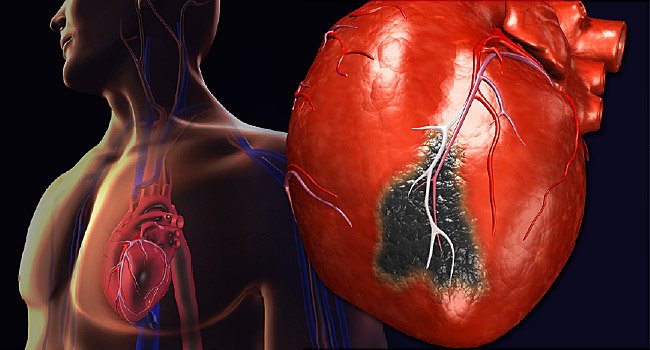
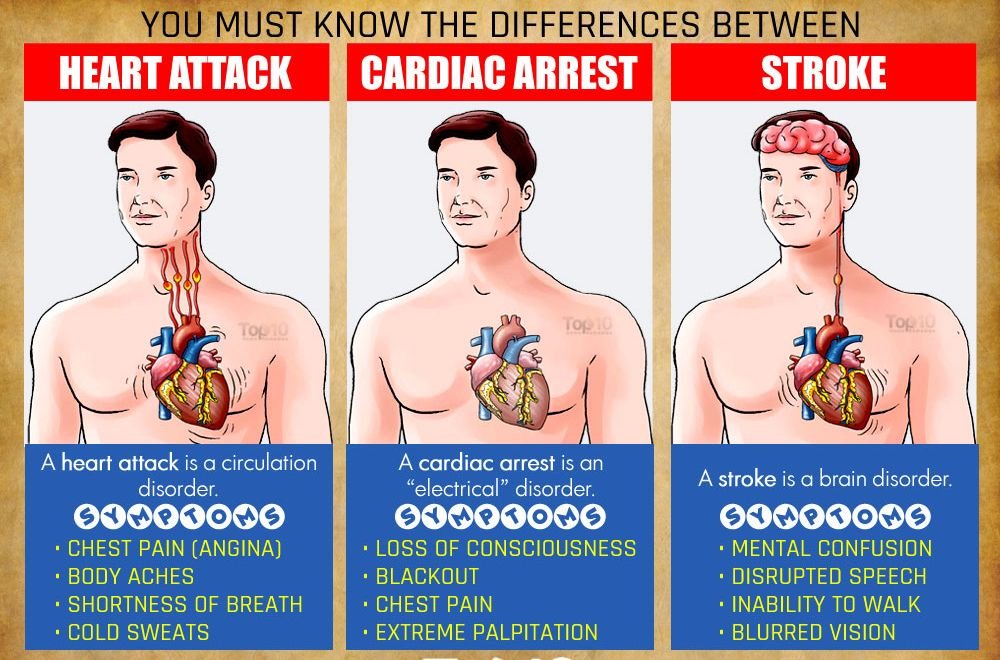
Everyone has heard of the chest pains that signal heart attacks, but many people don’t realize that the first warning signs of a heart attack may vary considerably from person to person. The warning signs may not be the usual chest discomfort or chest pain. Instead, you may experience marked shortness of breath, weakness, dizziness, numbness, or tingling sensation in the arms, and even a feeling of “indigestion” with or without chest pain. When you feel these symptoms suddenly, a possibility of a heart attack should always be considered, and immediate medical attention should be sought. This is particularly true if you are an older adult with any coronary risk factor.
A heart attack usually occurs suddenly, and it can occur at any time: at work or while playing a sport, while resting or in motion. However, nearly half of all heart attack victims experience various warning signs hours, days, or even weeks in advance.
Basically, a heart attack occurs in different ways. It can be preceded by angina pectoris (angina) for days, weeks, months, or even years. Or it can be sudden, without any warning signs, and result in sudden cardiac death.
Directly before a heart attack, you may experience various signs and symptoms of angina, but these symptoms are increased for hours, days, or even weeks before the development of a heart attack. The most important and common symptom is chest discomfort, including chest pain. The intensity of chest discomfort varies markedly among heart attack victims, so some people may experience little or no chest pain. The symptoms described for unstable angina may worsen. You may feel a sensation of pressure or fullness, or a squeezing pain in the chest that lasts for more than a few minutes. Chest pain may spread to your shoulder, arm, and back, and even to your jaw and teeth.
Prolonged episodes of chest discomfort may accompany upper abdominal pain that differs from other forms of gastrointestinal disorders. You might also experience dyspnea (shortness of breath) after even minimal physical exertion, and this could be followed by profuse sweating, nausea, and vomiting. You would feel markedly fatigued or weak and lapse into syncope, or even impending death.
Most likely, you would also feel palpitations and possibly indigestion, heartburn, and upper abdominal pain in place of chest pain. Actually, 10 to 15% (up to 30% in some medical reports) of all heart attack victims experience little or no chest pain in a silent heart attack.
Marked weakness can occur with or without chest pain. Among many cases of massive heart attack, the foregoing symptoms occur simultaneously. Needless to say, sudden cardiac death (usually from cardiac arrest) can occur, especially when the heart muscle damage is very large and multiple coronary arteries are blocked.
A variety of complications (various medical problems associated with an underlying or primary disease such as congestive heart failure; can be expected, even for those who recover from a heart attack under these circumstances. Again, the most important and common symptoms of a heart attack are chest pain (or any other form of chest discomfort), marked dyspnea, and unusually severe fatigue or weakness. Remember that more than 15% of heart attack victims die suddenly within the first hour after the onset of the symptoms. Thus, seeking medical attention immediately is extremely important.
Delay in the recognition of a heart attack and in obtaining urgent medical treatment can trigger serious complications and even death in many cases.
Nearly half of all heart attack victims experience various warning signs hours, days, or even weeks in advance.
Seeking medical attention immediately is extremely important
Terms:
Syncope – loss of consciousness due to temporary cessation of respiration or circulation or very slow or rapid heart rhythm.
Palpitations – skipped heartbeats, heaviness, or rapid or irregular heart beating as a result of various arrhythmias
Complications – various medical problems associated with an underlying disease.