LDL Cholesterol & HDL Cholesterol
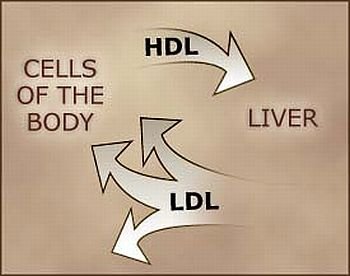
LDL contains about 25% protein and 45% cholesterol. LDL cholesterol causes fatty deposits to build up in the arteries. Since the LDL level affects the risk of a heart attack much more than do total cholesterol levels, medical authorities commonly use the term bad cholesterol to describe LDL cholesterol.
Thus, doctors should treat high LDL cholesterol levels aggressively.
You can think of both desirable and abnormally high levels of LDL cholesterol as follows:
• Less than 130 mg/dL: desirable
• 130 to 159 mg/dL: borderline high
• 160 mg/dL or higher: high
If you have other risk factors and a history of coronary artery disease, your desirable LDL cholesterol level should be below 100 mg/dL. An LDL cholesterol level of 160 mg/dL is estimated to be comparable to the total cholesterol level of 240 mg/dL. The general guidelines for desirable LDL (bad) cholesterol levels are as follows:
• 160 mg/dL or less if you have only one risk factor and no evidence of heart disease
• 130 mg/dL or less if you have two or more risk factors and no evidence of heart disease
• 100 mg/dL or less if you have proven coronary artery disease, particularly a history of heart attack.
HDL cholesterol actually protects the arteries against the buildup of fatty deposits. That’s the reason for using the term good cholesterol to describe HDL cholesterol.
HDL cholesterol levels in most adult men are 40 to 50 mg/dL, whereas the HDL values for women range from 50 to 60 mg/dL. The desirable level for HDL cholesterol is above 35 mg/dL.When the HDL cholesterol level is too low, losing body weight (in obese people), regular exercise, and avoiding smoking can raise it.