How breast cancer can make your sex life better

What is the difference between sexual performance and sexual pleasure?
Many couples in our society remain goal oriented, and sex is considered a success only if there is penetration that is coupled with explosive orgasmic response. Nothing could be further from the truth! Often, the shifting of the ideal is important in sexual wellness. Focus on pleasure and enjoyment of the sexual experience. So what if there is no penetration, no orgasms, or a less-than-perfect erection? Togetherness and shared experience and connectedness are your ultimate goals.
Performance and pleasure do not go hand in hand. Focus on sexual togetherness rather than on the concept of penis in vagina or on orgasm. Very erotic noninsertive sexual play is also important. Foreplay-manual, oral, and digital stimulation-can be red-hot exciting for many couples, as can a steamy make-out session. Men and women should keep in mind that a “quickie” can be fun and emotionally exciting and very pleasurable. It is not always necessary to have a big romantic buildup to a sex encounter. Providing pleasure to a partner, even when you are not feeling particularly sexual, is part of caring for the needs of that partner.
If you are either physically or emotionally uncomfortable with a request of a partner, refuse or find another activity that is pleasing to both. Decide together what you want to include in your lovemaking sessions. Maybe you could experiment with oral sex or with a new type of sexual accessories?
Sexuality and intimacy do not always have to end in the sex act. Many activities are sexual, and many more are intimate. The more you and your partner experiment, the more opportunity there is to discover a vast treasure chest of sexual experiences and expression.
Terms:
Erection – The expansion and hardening or stiffening of the sexual organ-it may be the penis, clitoris, or nipples- in response to sexual fantasy or stimulation.
Foreplay – Sexual behavior engaged in during the early part of the sexual encounter, with the aim of intensifying sexual arousal or pleasure.
How does aging affect sexual desire?
Unfortunately, with aging, for both men and women, comes a loss of sexual desire and decreased sexual performance. At 20 years old, a man may experience an erection daily or even more often; at 70, he may have only one weekly. For others, sexual response does not change with age.
In addition to a breast cancer diagnosis and treatment, other problems such as heart disease, hypertension, diabetes, menopause, kidney disease, and medications can affect sexual satisfaction, desire, and performance. Most people have at least one or two chronic medical illnesses as they age that will affect their sexual functioning.
At least 64% of Americans are obese, which can directly impact the sexual response in both men and women. Obese women can experience changes in arousal, vaginal lubrication, orgasm intensity, strength of orgasm, and overall sexual satisfaction.
External factors like smoking, alcohol and drug abuse, stress, fatigue and anxiety as well as the side effects from medication, particularly antihypertensive and antidepressants, can impact sexual arousal and response at any age.
A person’s perceived unattractiveness caused by aging can attribute to loss of sexuality. We all get older and carry a few more pounds and often are not aging gracefully.
Sometimes we let ourselves go and head for the piece of cheese cake when we should be heading to the gym. Sometimes we take personal hygiene issues for granted. Have you neglected your personal hygiene or your weight? When was the last time you went to the hairdresser?
External factors like smoking, alcohol and drug abuse, stress, fatigue and anxiety as well as the side effects from medication, particularly antihypertensive and antidepressants, can impact sexual arousal and response at any age.
What changes in family dynamics can occur with breast cancer?
A women’s entire family deals with the effects of breast cancer diagnosis. Partners who were used to being cared for now may become caregivers. If the woman has been working and contributing to the household income and is now not able to work, financial hardship may be present. All of these changes in the relationship may be played out in the bedroom. Underlying conflicts often can be boiled down to issues relating to power and control.
Schedules, childcare, and chores need to be adjusted to accommodate treatment, recovery time, and doctors’ appointments. Often, these changes are taken on willingly in the beginning of treatment but become burdensome as treatment progresses.
Even after the initial diagnosis and treatment, some women fear that their cancer will return; thus, they are reluctant to return to their normal lives, fearing that it may have been part of the cause of their disease.
Some may seek what they feel could be positive changes in their lives. Some get rid of the microwaves and processed food, whereas others become vegetarians and plant herb and vegetable gardens. A person may consider not returning to work or cutting back on some of the responsibilities.
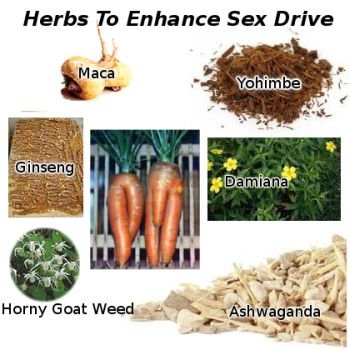
Another may quest for supplements and herbs. This may be difficult for other members of the family. The partner who is accustomed to “meat and potatoes” may be shocked when the traditional roast beef meal is replaced with tofu and salad greens.
Sometimes a woman “feels” the true emotional impact after treatment ends and she looks retrospectively at her “journey.” Often, family members do not understand this, as they want this entire experience to be over. They will say, “But you’re better now. Why would you want to go to a support group?” or “Why can’t things be the way they were before your diagnosis?” It may make them feel unsafe when one dwells on the cancer diagnosis.
Cancer patients may take time for themselves that they had never done before. These changes can create great tension within the family. Be sure to focus on family meetings and improved communication! Discuss your concerns with your entire family, and allow time for feedback and discussion. Compromise is essential in solving conflict.