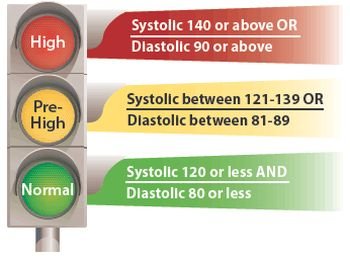
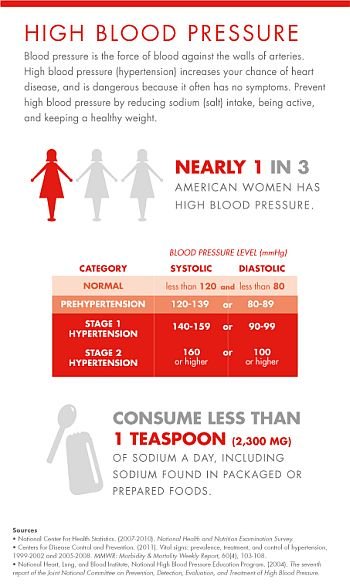
American Heart Association – Symptoms, Diagnosis & Monitoring of High Blood Pressure
University of Maryland – Medical Center – Stroke

Everyday life
Can I carry heavy shopping?
When you are carrying shopping, most of the hard work is done by your legs, and its good exercise but tiring. It should not affect your BP. Why not use a wheeled shopping trolley and get your exercise in some other way? Can I drive safely on BP-lowering drugs?
Some drugs used to lower BP can make you drowsy and this may cause problems for some drivers. Methyldopa and some beta-blockers are known particularly to cause drowsiness. All the drugs that do make people drowsy will do so much more if they’re combined with alcohol.
The answer is that, if you feel drowsy on medication, you should discuss with your doctor whether you should drive. It is worth mentioning that beta-blockers have been effectively prescribed for people who are nervous and are taking their driving test. They can have a calming effect particularly in people with a tremor.
Are there any support groups or self-help organizations for people with high BP?
Not specifically. There are some organizations such as the Stroke Association and the Blood Pressure Association who provide self-help leaflets and informal support. It is also worth looking at the patient information leaflets produced by the British Hypertension
Monitoring and follow-up
Systematic registration, review and recall is the cornerstone to organized care for people with high BP. Achieving target BP ensures that the benefits of BP-lowering are realized. To achieve this aim you need to be prepared to take part in an organized system of monitoring and care.
What kind of follow-up should I expect from my general practice? What are the main reasons behind continued follow-up?
It is important that you maintain continuity with your general practitioner so that your BP is properly managed. The aims for follow-up of BP are:
• To make sure that BP is reduced sufficiently to an agreed target level;
• To assess complications of hypertension (target organ damage);
• To continue to assess and treat cardiovascular risk factors, particularly high cholesterol levels;
• To assess possible other illnesses, such as newly diagnosed angina, and consequent tailoring of treatment;
• To continue monitoring any adverse effects from
BP-lowering drugs, which may require regular monitoring of your kidney or liver function by means of blood tests.
Your doctor may also ask you about how well you are taking your medication and whether you are maintaining your lifestyle changes, such as stopping smoking and losing weight.
If I have side effects with the medication that I am on, will I be able to change?
Your doctor should be willing to change your drug treatment when necessary. Your doctor will want to discuss with you why you want to change and the choices that are open to you.
Can BP be reduced to too low a level?
BP has a continuous graded and direct relationship with death or illness from a heart attack or stroke. In other words there is no BP level that is too low or unsafe in terms of your overall health. Several years ago there were concerns that lowering of BP might increase risk of death from other causes. However, when large numbers of people have been followed up over time, the association between low BP and subsequent death was found to be due to the fact that low BP may be caused by other life threatening coexisting conditions such as cancer. You should not be worried about lowering your BP too much. The problem most people are faced with is not being able to get their BP down to target treatment levels.
I have trouble taking my medicines and frequently miss a dose. Is this a common problem and how can I be helped?
It is well recognized that for symptomless conditions like high BP, people often forget to take their medication. Studies have shown that certain things, such as telephone reminders, more information and better motivation, can help people remember to take their medicines. Adjustment to the dosage of medication that people take can also help – once-daily dosages are associated with better levels of compliance than medications that have to be taken twice or three times daily. Education systems that help people remember and also help people understand reasons why they are taking BP-lowering drugs can also be effective. There are also special containers available from pharmacies to remind you when to take your tablets and to show you if you have forgotten to take your day’s dose.
If you are finding it difficult to take your medicines or are forgetting to take them, recognize that this is an important issue that should be discussed with your doctor or practice nurse. Often people fail to take their treatment because they suffer side effects. There are alternative treatments available and, if you feel you can’t tolerate a particular type of BP-lowering drug, you should discuss the alternatives.
When I am attending my general practice for follow-up care for my high BP what should I expect?
Suggested guidelines for doctors for follow-up and control of high BP follow a graded approach in terms of the frequency of visits until your BP is fully controlled. Initially you should expect to be asked to attend monthly visits for any adjustment of drug treatment until two or more BP readings are below the target treatment level. If you’ve been recently diagnosed, you may be asked to return once a month until your BP readings are stabilized, you are tolerating your BP-lowering drugs and you have no outstanding worries. For people with very high initial BP readings, or with a history of intolerance to drugs, or with other cardiovascular risk factors or target organ damage, a 3-monthly review interval is recommended. For those people who are well controlled on stable BP medication and with a stable BP reading, 6-monthly visits are usually recommended.
Will I have to undergo any more tests at follow-up other than BP measurements?
Generally speaking two-thirds of people with high BP require two different drugs to adequately control their BP (and reach their treatment target level). It usually takes a minimum of 3 months to make sure that people have stable BP readings, are comfortable taking their BP medication and suffering no side effects. Blood test monitoring is often recommended to assess kidney function in people taking ACE inhibitors and diuretics. In addition, other conditions such as high cholesterol readings may also be monitored by regular blood tests.
Does it make any difference who’s involved in my follow-up care?
There is no strong evidence to suggest that any one professional group is superior to another in terms of managing a long-term follow-up of high BP. Nurses, pharmacists and physician/pharmacist teams have all been evaluated. All professional groups have produced equivalent outcomes in terms of BP control. Many practices now delegate routine hypertension monitoring to practice nurses and most people find this method of delivering ongoing care entirely satisfactory.
Is there any evidence whether hospital outpatient clinics or general practice is the best place to have my BP monitored and followed up?
There is no firm evidence to suggest either general practice or outpatient clinics are the best place to have your BP followed up and monitored. The main issue concerning BP monitoring is that there is a regular review and recall system ensuring that your BP is monitored consistently over time and that your medication review is regularly checked. This involves you being registered as a person with hypertension who is then contacted regularly to make sure that monitoring and review takes place. Whether this is done in the hospital outpatient department or in a general practice is immaterial. As high BP is such a common condition, most care is delivered in the community through general practice.
I’ve been told that I’ve got difficult to control BP. What makes it difficult?
Failure to control BP to target treatment levels is relatively common. It has been estimated that up to 40% of people fail to meet treatment levels (this proportion varies depending on the target level quoted).
There are several factors associated with poorly controlled BP that need to be addressed in a systematic way by the doctor or nurse who is managing your care.
These include:
• Inaccurate BP measurement
• White coat hypertension
• Insufficient treatment
• Not sticking to the BP-lowering drugs
• Medications that interact with BP-lowering drugs such as non-steroidal anti-inflammatory drugs (NSAIDs), and
• Other conditions and diseases that make BP more difficult to control.
If you have poorly controlled BP, your GP should systematically rule out these factors as a cause for it. This often requires additional blood tests and modification of your antihypertensive medication.
I have been on some other drugs that the doctor said had caused an increase in my BP. Which drugs cause this?
The following substances may be associated with an increase in BP:
• Corticosteroid tablets
• Excessive alcohol consumption
• Amphetamines, particularly in the form of appetite suppressants
• Excessive caffeine intake, usually in the form of coffee or tea
• Non-steroidal anti-inflammatory drugs
• Oral contraceptives
• Sodium-containing medications, particularly antacids used in the treatment of heartburn, and finally
• Illicit drugs such as cocaine.
You need to be vigilant to make sure that you are not taking drugs that antagonize the effects of BP-lowering drugs. This is another reason why you should attend for regular review so that your medications and BP can be checked regularly.
My doctor is referring me to a specialist as he says I have secondary hypertension. Why?
Secondary hypertension accounts for less than 1% of the cases of high BP. The main causes relate to kidney or hormonal disorders. If you have poorly controlled high BP and the common causes of uncontrolled high BP have been ruled out, you will be referred to a hospital specialist so that investigations can rule out or detect rare, secondary causes of hypertension.