VIDEO
Connecting Cancer & the Environment
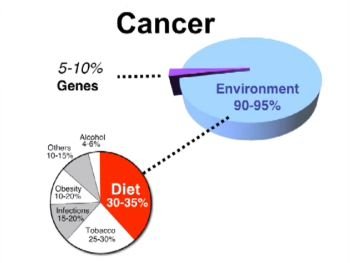
Cancer and the Environment
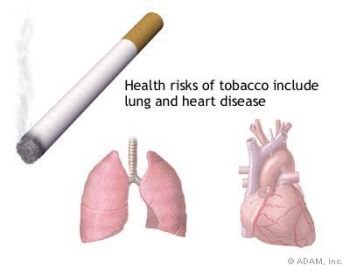
In 1981, Congress commissioned two of the most renowned cancer researchers of our time, Sir Richard Doll and Sir Richard Peto, to research the environmental causes of cancer. In their report, entitled “The Causes of Cancer: Quantitative Estimates of Avoidable Risks of Cancer in the United States Today,” Doll and Peto concluded that the contributions of diet and tobacco to the development of cancer were so large that if behaviors could be changed, many cancers could be avoided altogether.
Almost thirty years and a great deal of research later, the links between poor nutritional habits and tobacco use and the development of cancer have been solidified. In addition, the promotion of certain cancers by environmental toxins (such as radiation and chemical wastes), alcohol, or infections is much better understood. Of equal importance are emerging scientific tools that clarify why some individuals get cancer from a given environmental factor, such as smoking, whereas others don’t suffer the same fate.
I need to emphasize that these issues are extremely complex, involve mammoth amounts of data, and in some cases do not provide the perfect answer. This is especially true for the connection between diet and cancer: for example, the role of dietary fat as a contributor to cancer continues to be debated among experts. Although some individuals and medical “experts” feel comfortable saying that certain foods and supplements “prevent cancer” and that “the right diet can prevent 90 percent of cancers,” these claims are largely unsubstantiated. I avoid such oversimplifications here and defer to the reality of the limits of our knowledge.
Although each cancer risk factor deserves its own discussion, here I focus on how diet and tobacco contribute to the formation of cancer. Following this, I describe the types of studies under way aiming to explain why the same environmental factors lead to cancer in some individuals but not in others. My goal is to clarify a few popular concepts and discuss the newest information rather than to list how diet is thought to influence each specific cancer. For those interested in learning about the latest research findings on how food, supplements, and lifestyle impact the development of cancer, I refer you to the World Cancer Research Fund/American Institute for Cancer Research Expert Report, Food, Nutrition, Physical Activity, and the Prevention of Cancer: A Global Perspective (www.dietandcancerreport.org).
Lifestyle and Cancer
The types of foods you eat, whether you exercise regularly, and whether you maintain a healthy body weight are major determinants of your overall physical health. Altogether, they constitute what I call a “pattern for living.”
Patterns for living start young; they are difficult to change in midlife; and even if they are drastically altered, healthy patterns cannot fully erase the effects of unhealthy ones. Fortunately, I was raised to adhere to a healthy pattern for living. My mother raised us on plainly seasoned fish, chicken, baked potatoes or rice, steamed vegetables, and eggs, with an occasional steak, burger, or liver and low-fat dairy products. Food was never fried, and there were rarely any chips, sodas, or other junk food in the house. I loved to play sports and have exercised regularly throughout my forty-five years. The only smoker in my family was my father, who died at age fifty-two of a heart attack. Because of this upbringing, I rarely eat high-fat foods and have been able to maintain a stable weight.
My pattern for living is deeply ingrained and I hope will yield many more years of good health (and overcome a genetic predisposition to heart disease). I will always be grateful to my mother for having the insight to know what was healthful to eat before nutrition was widely talked about. And I’ll always remember her saying to me, “What are you eating that junk for?” whenever I managed to get a cookie into the house (perhaps she was a bit over the top!). This is not to say that I don’t enjoy a juicy cheeseburger or a decadent hot fudge sundae, because I doubt always in moderation (once in a while).
Research has vindicated my mother’s sense of which foods are healthful. A large and ever-growing number of studies indicate that cardiovascular diseases (such as heart attacks and strokes), adult-onset diabetes mellitus, and cancer are highly influenced by one’s pattern for living: a diet high in red meat and animal fats and low in fruits and vegetables, obesity, and a lack of exercise constitute an unhealthy pattern for living that often leads to major illness.
Eating the right foods, getting regular exercise, and maintaining a healthy body weight is a healthy pattern for living that optimizes your chances for a long, healthy life.