Is Soy a Good Source of Protein?
Patricia’s Organic Cornmeal Mush
1 cup organic yellow cornmeal (coarse ground best)
22 cups distilled water 3
Tbsp raisins (optional)
Moisten cornmeal with 2 cup distilled water. Boil balance (2 cups) of water, and then slowly add moistened cornmeal and raisins. Mix well. When evenly thickened, turn heat low and cook for 10 to 15 minutes. Serve hot. Top with honey, blackstrap molasses or 100% maple syrup (our favorite). Then, if desired, top with sliced bananas or organic fresh fruit and try some soy or rice milk.
NOTE: If you are serving this to one or two people, there might be some mush left. Pour it into a flat pan, let it cool, and store in refrigerator. For breakfast – or even a main meal – slice and dip in egg batter and roll in wheat germ.
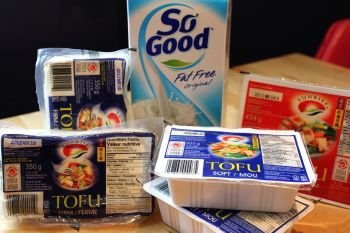
Soy Tofu Scramble
2 cups firm tofu, crumbled
2 green onions, chopped
2 tsps Organic Olive Oil diced tomatoes (optional)
1/8 tsp ground cumin
1/2 tsp Bragg Liquid Aminos
1/4 tsp fresh garlic or powder Pinch Italian herbs
In a wok, lightly sauté green onions in olive oil for 3 minutes, then add remaining ingredients and cook 3 to 5 minutes longer.
You can add fresh diced tomatoes or other veggies. Serves 2 to 4.
Soy Tofu French Toast
1/2 lb tofu (soft)
1/3 tsp cinnamon powder
1/4 tsp nutmeg
1 Tbsp honey
Blend tofu with enough water (distilled) to make a slightly runny batter. Dip whole grain bread slices in batter and sauté until brown in a little soy oil or butter. Turnover and cook the other side. Serve hot with honey or pure maple syrup. Serves 2.
Or, for variety, the family likes to have an occasional breakfast of steel-cut organic oats, cooked with raisins or sun-dried apricots, served with sliced bananas and100%maple syrup. Yummy!
High sugar consumption can over stimulate your whole system, and too much sugar can lead to many problems, ranging from obesity, heart trouble, poor circulation to high blood sugar levels and diabetes.
Vitamin E-Rich Healthy Foods
Are Important for Healthy Hearts
This is a list of healthy foods that contain the following notable amounts of precious vitamin E. This list was compiled from Bridges Food and Beverage Analyses. Buy organic sources – they are best.
Food – Quantity – Vitamin E IU’s
Apples – 1 medium – 0.74
Bananas -1 medium – 0.40
Barley – 2 cup – 4.20
Beans, navy – 2 cup – 3.60
Butter (salt-free) – 6 tablespoons – 2.40
Carrots – 1 cup – 0.45
Celery, green – 2 cup – 2.60
Corn, dried for popcorn 1 cup – 20.00
Cornmeal, yellow – 2 cup – 1.70
Corn oil – 6 tablespoons – 87.00
Eggs, fertile – 2 – 2.00
Endive, escarole – 2 cup – 2.00
Flour, whole grain – 1 cup – 54.00
Grapefruit – 2 – 0.52
Kale – 2 cup – 8.00 129
Lettuce – 6 leaves – 0.50
Oatmeal – 2 cup – 2.00
Olive Oil (virgin) – 2 cup – 5.00
Onions, raw – 2 medium – 0.26
Oranges – 1 small – 0.24
Parsley – 2 cup – 5.50
Peas, green – 1 cup – 4.00
Potatoes, white – 1 medium – 0.06
Potatoes, sweet – 1 small – 4.00
Rice, brown – 1 cup cooked – .2.40
Rye – 2 cup – 3.00
Soybean Oil – 6 tablespoons – 140.00
Sunflower Seeds, raw – 2 cup – 31.00
Wheat Germ Oil – 6 tablespoons – 50 – 420.00
Vitamin E is a dynamic weapon against wrinkles and ageing. – Prevention Magazine
A recent revealing study of nurses whose daily vitamin E intake was 100 mgs and more had a 36% lower risk of heart attack and 23% lower risk of stroke
Calcium is Important for a Fit Heart
Consider the shocking fact that 85% of Americans are deficient in calcium! Most people associate calcium with the teeth and bones, which is correct since a deficiency of this important mineral will lead to the deterioration of these hard tissues. Calcium is also very important for the nerves of the body and many people suffer leg cramps as a result of a calcium deficiency. Calcium also plays a much needed, important role in the functioning of the human heart. Calcium is a natural constituent of the material that causes the blood to clot. If we did not have calcium in our bloodstream, we could prick a finger with a needle and bleed to death!
Every few minutes the heart is bathed by the calcium of the body chemistry. It is a crucial component in the activity of a healthy heart. Being the most powerful muscle in the entire body, the heart requires adequate calcium for its efficient functioning. Be good to your heart and maintain a good calcium balance. Study calcium chart.
Milk is Not a Good Source of Calcium 130
Nearly everyone has the idea that the problem of calcium deficiency will be solved if they just drink milk. This is not completely true. In the first place, practically all the milk in the U.S. is pasteurized, which robs and greatly reduces the availability of the milk’s calcium.
Dr. Harold D. Lynch – famous author, researcher and physician – said almost fanatic use of milk as a beverage has added more complications than benefits to child nutrition. He further states milk may often be a primary cause of poor nutrition in children!
This might be due to the fact that proportionate amounts of Vitamins A and D and phosphorus must be present in the metabolism for the proper absorption and utilization of calcium by the body; another reason why proper nutrition and a balanced diet are so important!
Whole milk is a carrier of large amounts of saturated fat (cholesterol) and can lead to atherosclerosis. This food is just for cow’s babies. It’s not for humans if they wish to maintain a healthy heart for a long life!
Benefit From Natural Foods Rich in Calcium
There are some very fine sources of calcium other than milk. Scientists feel raw bone meal is one of the best, as well as eggshell calcium, oyster shell calcium and bone marrow calcium. We prefer the calcium found in kale, corn, beans, veggies and soy tofu. In fact, as Dr. Lynch and Dr. Neal Barnard point out, all natural foods contain appreciable amounts of calcium. This chart shows some of the many foods that contain large amounts of calcium you should include in your diet.
Calcium Content of Some Common Foods
Food Source – mgs
Almonds, 1 oz -. 80
Artichokes, (steamed) 1C – 51
Beans, (kidney, pinto, red) 1 C – 89
Beans, (great northern, navy) 1C – 128
Beans, (white) 1C – 161
Blackstrap molasses, 1 Tbsp – 137
Bok choy, (steamed) 1C – 158
Broccoli, (steamed) 1C – 178
Brussel sprouts, (steamed) 1C – 56
Buckwheat pancake, 1 – 99
Cabbage, (steamed) 1C – 50
Cauliflower, (steamed) 1C – 34
Collards, (steamed) 1C – 152
Corn tortilla – 60
Cornbread, 1 piece – 28
Figs, (5 medium) – 135
Kale, (steamed) 1C – 180
Kohlrabi, (steamed) 1C – 40
Mustard greens, 1C – 138
Oatmeal, 1C – 120
Orange, 1 large – 96
Prunes, 4 whole – 45
Raisins, 4 oz. – 45
Rhubarb, (cooked) 1C – 105
Rutabaga, (steamed) 1C – 72
Sesame seeds (unhulled) 1 oz – 381
Spinach (steamed) 1C – 244
Soybeans, 1 C – 73
Soymilk, fortified- 150
Tofu, firm 2 C – 258
Turnip greens, 1C – 198
Whole wheat bread, 1 slice -17 mgs
Read these 2 important books on milk and why to avoid milk: • Mad Cows and Milk Gate by Virgil Hulse M.D • Milk, the Deadly Poison by Robert Cohen. Also visit these important websites: • www.notmilk.com and • www.milkgate.com
The human body has one ability not possessed by any machine – the body has the ability to repair itself. – George W. Crile
The World Health Organization reported that 24.5 million people worldwide – nearly 50% of the yearly deaths – are victims of just 3 chronic conditions linked to unhealthy lifestyles: circulatory diseases (especially heart attacks and strokes), cancer and lung disease! – US News and World Report