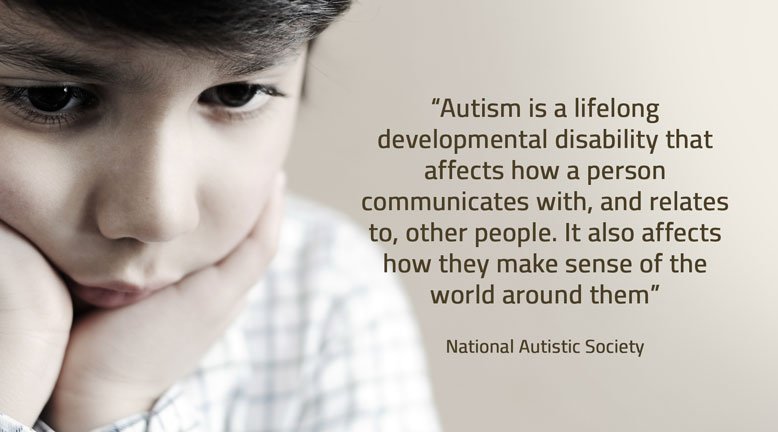
What it’s like to have a Brother with Autism

Can chelation therapy help my autistic child?
Concerns about mercury contained in vaccinations have prompted concerned parents and others to theorize thatmercury is the cause of autism. As a result, some practitioners have begun using chelating agents as a treatment for autism. According to this theory, once the mercury is removed, its toxic effects are eliminated, and the individual begins to show improvement in autistic symptoms.
The most vocal proponent of chelation therapy for diseases other than heavy metal toxicity is the American College for Advancement in Medicine (ACAM). In contrast, the overwhelming opinion of the traditional medical community is that effectiveness of chelating agents used to treat other diseases is unproven and should be avoided. The traditional medical community does not recognize ACAM as an authoritative source of clinical information. The few studies that exist attempt to demonstrate the effectiveness of chelating agents in the treatment of cardiovascular disease. There are no studies that demonstrate the effectiveness of chelating agents in improving autistic symptoms or other symptoms of developmental diseases. The Autism Biomedical Information Network lists chelation as an unproven treatment. They point out that no reliable research studies have been made on many treatments being offered as alternatives to traditional autism treatments, and that most of the information available on their effectiveness is anecdotal rather than based on valid scientific research techniques. Cure Autism Now (CAN), a leading autism research organization, called for research proposals to investigate the effectiveness of chelation therapy in autism treatment. They state that since no research studies exist that validate the claims of those who support chelation as a treatment ofautism, chelation should be considered unproven and its safety and effectiveness still undetermined.
Compounding the lack of supporting scientific evidence is the mercenary behavior of practitioners using chelating agents. A typical therapeutic program is long and costly. Treatment costs can run between $75 and $125 per session. Parents are told that their child must undergo between 20 and 100 treatments before showing results. Because this is an unapproved treatment and not covered by health insurance, parents are expected to pay in cash. Other physicians point out that some chelation therapists attempt to secure insurance coverage by misrepresenting the patient’s treatment to the insurance companies, therefore practicing insurance fraud rather than medicine. Until valid research is conducted and chelation is approved for use in the treatment of autism, it is recommended that it be avoided.
Treatment costs can run between $75 and $125 per session.
How long does it take for Social Security to determine if my child is disabled?
The disability evaluation process generally takes several months. However, the law includes special provisions for people (including children) signing up for supplemental security income (SSI) disability whose condition is so severe that they are presumed to be disabled. In these cases, SSI benefits are paid for up to 6 months while the formal disability decision is being made. Keep in mind, these payments can be made only if the child meets the other eligibility factors. The following are some diagnoses where the government will make a presumption of disability and will make immediate SSI payments:
- HIV infection
- Total blindness
- Total deafness (in some cases)
- Cerebral palsy (in some cases)
- Down syndrome
- Muscular dystrophy (in some cases)
- Mental retardation
- Diabetes (with amputation of one foot)
- Amputation of two limbs
- Amputation of leg at the hip
If parents take these payments and the government later decides that the child’s disability is not severe enough to qualify for SSI, the benefits do not have to be paid back.
Supplemental security income (SSI) is a need-based program that provides cash assistance to people with limited income and assets who are age 65 or older, disabled, or blind. Children can qualify if they meet Social Security’s definition of disability. SSI is funded by the federal government and is administered by the Social Security Administration (SSA).
As its name implies, SSI supplements a person’s income up to a certain level. The level varies from one state to another and can go up every year based on cost-ofliving increases. Recipients of this benefit also receive
Medicaid. Your local Social Security office can tell you more about the SSI benefit levels in your state. Supplemental security income is not Social Security. Social Security is a program that provides retirement benefits, survivors’ benefits, and disability benefits to people who have worked enough to qualify or to their spouses and children. The benefits are based in part on payments made to Social Security while working.
Most people over the age of 65 receive Social Security payments.
Terms:
Supplemental security income (SSI) – A federal assistance program administered by the Social Security Administration for aged, blind, and disabled persons under Title XVI of the Social Security Act to guarantee a certain level of income. SSI recipients have contributed nothing or not enough to the Social Security System to be able to receive benefits on their own earnings record.
Medicaid – Title XIX of the federal Social Security Act and 42 CFR 430 to 456; pays for medical care for low-income persons; is a state-administered program.