How much salt is bad for your heart?
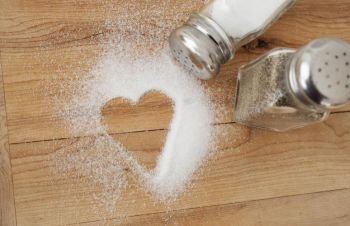
What Table Salt Does to Your Stomach
An important objection to table salt is the fact that it interferes with the normal digestion of food. Pepsin, an enzyme found in the hydrochloric acid of the stomach, is essential for the digestion of proteins. Only 50% as much pepsin is secreted as would otherwise be the case when salt is used. Obviously the digestion of protein foods will be incomplete or too slow under such conditions. The results are excessive putrefaction of protein, bloating, gas and digestive distress, which effects millions.
Sea Kelp is an Excellent Salt Substitute It’s a Tasty, Healthy, and Organic Sodium
Many outstanding heart specialists heartily endorse a no-salt diet. There are some excellent seasoning substitutes available to satisfy an acquired craving for salt. In the Bragg home we use sea kelp granulars, herbs, garlic, vegetable seasonings and Bragg Liquid Aminos.
In our opinion, sea kelp is an ideal salt substitute. It gives all foods – salads, vegetables, etc. – a tangy taste. Fresh and powdered garlic, lemon juice, raw apple cider vinegar are excellent seasoners, also, Italian and French herbs add delicious flavors to foods.
Take a lesson from world famous French chefs! The marvelous flavor of French dishes is achieved by the skillful use of garlic, onions, mushrooms, herbs – not with salt! French cooking is called rich – but it’s richness of taste and not of content. The best French chefs use very little fat and most use no salt at all!
The American Heart Association says that daily sodium intake should be less than 2,400 milligrams per day, which is about 14 teaspoons of sodium chloride (table salt –inorganic sodium). We recommend using NO table salt. Throwing away the salt shaker is a positive step towards living an Healthy Lifestyle! Get your natural organic sodium from natural healthy foods
Natural Foods Have Organic Sodium
Organic sodium is one of the 16 minerals that are required for perfect mineral balance in the human body. Absorbable sodium is the most plentiful organic mineral found in all fresh fruits and vegetables, especially beets, celery and string beans. Be assured that when you eat a balanced diet of plant-based natural foods you will receive sufficient organic sodium. Again let us tell you that you must put down that salt shaker and not pick it up again, if you want a powerful, long-lasting heart!
Your Educated Taste Buds will Guide You
After you give up salt you will appreciate the natural flavor of foods. Dad was reared in the South where salt was used plentifully to season nearly all foods. His 260 taste buds were conditioned to the heavy taste of salt. At 16 he was a victim of tuberculosis. After three American Sanitoriums and no improvement, his mother took him to a Natural TB Sanitorium in the Swiss Alps where they were against salt in the diet.
Any bad habit is difficult to overcome at first and the salt habit for millions of Americans! Some health-minded people use sea salt rather than table (land) salt. There’s little difference between these two! They are both inorganic and loaded with sodium chloride! Your 260 taste buds will guide you after you have discarded salt, for they will become very keen and sensitive and will reject salty foods. You will begin to enjoy tasting all the delicious flavors of natural foods.
The seat of knowledge is in the head; of wisdom, in the heart.
We are sure to judge wrong if we do not feel right. – William Hazlit
Eliminating Meat is Safer and Healthier!
Most uninformed nutritionists call meat the #1 source of protein. Those proteins coming from the vegetable kingdom are referred to as the #2 proteins. This is a sad and terrible mistake. It should be the other way around! Because in this day and age, almost all meat is laden with herbicides, fungicides, pesticides and other chemicals that are sprayed on or poured into the feed which these animals consume. They are also pumped full of growth hormones, antibiotics and all kinds of drugs to fatten them up and keep them from dying from the extremely unhealthy conditions most of them live in! Many of them are forced-fed the dead, ground up carcasses of other feed lot animals who, for a variety of sad reasons, didn’t make it to the slaughterhouse.
The chemical reaction from fear is adrenaline! Fear is caused when a choke chain is around the neck of cattle to keep them in line. It’s then shoved onto a conveyor belt and beheaded like those in front of them. Unused adrenaline is extremely toxic. Most of the meat that you consume is packed with this toxic substance!
Also, consider the fact that cattle, sheep, chickens, etc., are naturally vegetarians. When you eat them, you are just eating polluted vegetables. Why not skip all the waste and toxins and just eat healthy, organic vegetables?
It’s a myth you have to eat meat to get your protein. Farm animals, especially horses, get protein. Horses are vegetarians and get protein from grains and grasses. You can get proteins (list on next page) you need from the large variety of whole grains, soy tofu, raw nuts, seeds, beans, fruits and vegetables that God put here for us.
Meat Has Toxic Uric Acid & Cholesterol
Meat is a major source of toxic uric acid and cholesterol, both harmful to your health. If you insist on eating meat, it should be an organically fed source and not eaten more than 1 to 2 times weekly. Fresh fish can be the least toxic of the flesh proteins. Beware; fish from polluted waters can be loaded with mercury, lead, cadmium, DDT and other toxins. If you are unsure of the waters the fish come from, don’t risk eating it.
Avoid shellfish – shrimp, lobster and crayfish! They are garbage-eating bottom-feeders and eat decaying scum and refuse making them an unhealthy food choice. Most poultry is commercially mass fed and heavily drugged with antibiotics and hormones. Be selective and cautious in your eating; seek only the healthiest food choices.
Don’t eat pork or pork products! Pigs are the only animals besides man that develops arteriosclerosis. This animal is so loaded with cholesterol that in cold winter weather, unprotected pigs can become stiff, as though frozen solid and die. Also, pigs are often infected with a dangerous parasite which causes the disease trichinosis.
Although we feel that meat and dairy products are far more dangerous than they are healthy, we include this section because of this food group’s prominence in the average Western diet. Meats are high in visible fat, invisible fat, cholesterol and toxins from the animal. That’s why we stress to meat eaters not to have it more than 1 to 2 times a week and always trim off fat before cooking. Placing meat on a rack during cooking, baking or broiling helps drain off most of the fat and keeps it from soaking in its own unhealthy grease and drippings.
Don’t eat greasy fried foods. The frying pan is the cradle of indigestion, heart disease and death! Those sputtering lumps of frying, sizzling fat are enemies of your heart and entire body! If you must eat meats, flavor with herbs, garlic, onions, mushrooms, instead of fat-rich gravies. You can garnish meats with a variety of raw vegetables like watercress, parsley, celery, carrots, radishes, turnips, garlic, onions and bell peppers. Compared to meats, most fish is a better low fat protein! Buy freshly caught cold-water fish (salmon, halibut and mackerel) from unpolluted waters – it’s healthier.
Poultry – chicken and turkey – the organically fed and hormone and drug free are safer animal proteins. The meat is low in fat and cholesterol. Guinea hen and squab are low in fat. But duck and goose are high in fat. Discard all poultry skins and giblets because they are high in fat.
Eggs. If you do eat eggs, limit to 2 or 3 per week.
Remember, yolks contain high cholesterol fat. Fertile fresh eggs from free-range organic fed chickens are best.