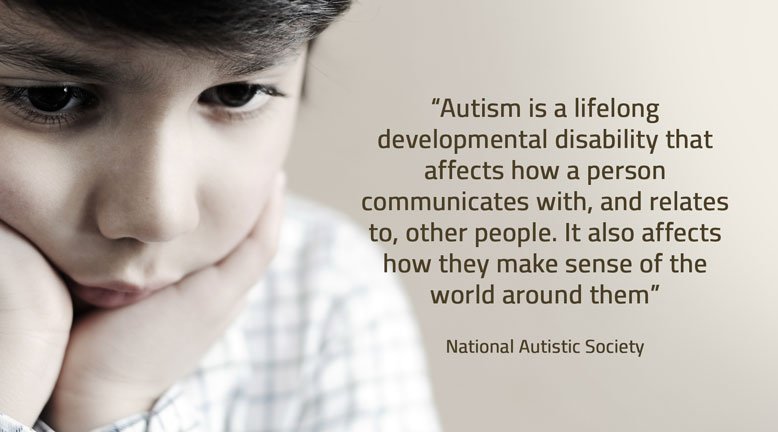
Major Medicaid Breakthrough Announced For Autism – July 8,2014

What is Medicare?
The Medicare program was created by Title XVIII of the Social Security Act. The program, which went into effect in 1966, was first administered by the Social Security Administration. In 1977, the Medicare program was transferred to the newly created Health Care Financing Administration (HCFA). HCFA has been renamed and is now called the Centers for Medicare and Medicaid Services (CMS).
The CMS is a federal agency within the U.S. Department of Health and Human Services. CMS runs, among other programs, the Medicare and Medicaid programs, which are the two national health care programs that benefit more than 75 million Americans.
Medicare benefits are divided into two parts, creatively named Part A and Part B. Part A is called the hospital insurance program and it is funded by Social Securitytaxes. As one might expect from the name, Part A benefits pay for basic in-hospital services, extended care services, services provided in skilled nursing facilities, home health services, and hospice care for terminally ill patients.While in the hospital, the services covered include a semiprivate room, all meals, nursing services, hospital services, and supplies as well as the cost of inpatient mental health care with a lifetime limit of 190 days. Part A benefits are provided to eligible individuals at no personal expense.
Part B benefits help to pay for the costs of doctors’ services, including office visits, but not routine physical exams. Medicare also covers outpatient medical and surgical services and supplies, any diagnostic tests, facility fees associated with approved procedures performed in an ambulatory surgery center, durable medical equipment (such as wheelchairs, walkers, etc.), second surgical opinions, outpatient mental health care, and outpatient occupational, physical, and speech therapy. Some Medicare coverage is available for approved medications.
What is Medicaid?
Medicaid is a national health insurance program aimed at serving the poor and the needy. All 50 states, the District of Columbia, Guam, Puerto Rico, and the U.S. Virgin Islands operate Medicaid plans. Medicaid was created by Title XIX of the Social Security Act and is part of the federal and state welfare system. Statewelfare or health departments usually operate the
Medicaid program, within the guidelines issued by the CMS. The Medicaid program is funded by the general tax revenues of the federal and state governments. Persons covered by the Medicaid program have no out-ofpocket expenses for coverage.
Though Medicaid expenses can vary from state to state, the program must furnish the following services that are federally mandated:
Inpatient hospital care
Outpatient services
Physician’s services
Skilled nursing home services for adults
Laboratory and X-ray services
Family planning services
Early and periodic screening diagnosis and treatment for children under age 21
The eligibility requirements for Medicaid benefits are set by each state, although the CMS has set some minimum standards. The people who are eligible under these standards include the categorically needy and the medically needy.
The categorically needy are a group that includes families and certain children who qualify for public assistance. Therefore, they are eligible for Aid to Families with Dependent Children (AFDC) or Supplemental Security Income (SSI). Common examples of eligible persons include the aged, the blind, the physically or mentally disabled, and children. The medically needy comprise a group who earn enough to meet their basic needs, but have inadequate resources to pay health care bills.
Is my autistic child eligible for Medicare or Medicaid benefits?
Your child can get Medicare coverage, but not immediately. Medicare is a federal health insurance program that was designed for people who are 65 or older and for people who have been getting Social Security disability benefits for at least 2 years.
Since children, even those with disabilities, do not get Social Security disability benefits until they turn 18, no child can get Medicare coverage until he or she is 20 years old.
The only exception to this rule is for children with chronic renal disease who need a kidney transplant or maintenance dialysis. Children with chronic renal disease can get Medicare if a parent is getting Social Security or has worked enough to be covered by Social Security.
Medicaid, by contrast, is a health care program for people with low incomes and limited assets. In most states, children who get SSI benefits qualify for Medicaid. In many states, Medicaid comes automatically with SSI eligibility. In other states, you must sign up for it. Some children can get Medicaid coverage even if they don’t qualify for SSI. Check with your local Social Security office or your state or county social services office for more information.
What other health care services are available for my child?
State Children’s Health Insurance Program (CHIP): Legislation passed in 1997 created a new Title XXI of the Social Security Act, known as the State Children’sHealth Insurance Program (CHIP). This program enables states to insure children from working families with incomes too high to qualify for Medicaid, but too low to afford private health insurance. The program provides protection for prescription drugs and vision, hearing, and mental health services and is available in all 50 states and the District of Columbia.
Your state Medicaid agency can provide more information about CHIP.
If your child is disabled and is found to be eligible for SSI, he or she can be referred for health care services under the Children with Special Health Care Needs (CSHCN) provisions of the Social Security Act. These programs are generally administered through state health agencies.
Although there are differences from state to state, most CSHCN programs help provide specialized services through arrangements with clinics, private offices, hospital-based out- and inpatient treatment centers, or community agencies.
CSHCN programs are known in the states by a variety of names, including Children’s Special Health Services, Children’s Medical Services, and Handicapped Children’s Program. Even if your child is not eligible for SSI, a CSHCN program may be able to help you. Local health departments, social services offices, or hospitals should be able to help you contact your CSHCN program.
Family Reimbursement Programs: These programs provide reimbursement for services not covered underother means such as Medicaid. Services reimbursed may include respite, camps, educational materials, therapies, and the like. Contact the Developmental Disabilities Council in your state for more information.
Terms:
Medicare – Title XVIII of the federal Social Security Act and 42 CFR 405 to 424; insurance-like payments for medical care of persons aged 65 and over; administered by federal Social Security Administration.
Centers for Medicare and Medicaid Services (CMS) – Formerly the Health Care Financing Administration; in the U.S.Department of Health and Human Services; the federal agency charged with overseeing and approving states’ implementation and administration of the Medicaid program.