Depression & Anxiety: My Story
Carers – looking after yourself too
Carers of people with depression can have a trying time.
• Remember not to take irritability and swings in mood too personally.
• Try to encourage self-care, rather than dependency on home helps, meals on wheels, for example.
• Don’t ignore any talk about self-harm but tell your doctor.
• Your relative’s personal hygiene and self-care may need firm prompting.
• Discourage plans to make big life changes.
• Look after yourself: make sure that you get support and a break from time to time.
Self-harm
What can be done to help our father? He is very depressed, and seems to think he’s a nuisance to us all – he isn’t, we do love him dearly. He speaks of harming himself, and won’t see the doctor.
Depression can indeed lead to self-harm, even suicide, although this is a rare event considering how common the illness of depression is. Those most at risk of suicide are young males – in their early twenties – and then people approaching old age, who may have other illnesses to cope with. People with drink problems are also at increased risk of self-harm. There is a strong likelihood that this sort of depression will respond well to treatment and, in cases like this, it is most important that you urge him to see someone. There is good evidence that medication – antidepressants – will help him. Perhaps you should start by having a word with his doctor about your concerns. Try and take him to see the doctor for a ‘checkup’. This can be a way of making initial contact. An old person talking about harming himself is a very serious sign; however much you empathise with their loneliness and other health problems, ask for help.
My sister says she gets feelings sometimes that she wants to harm herself. What can I do?
Many people, perhaps even most people, have at some time thought about suicide, however briefly. So perhaps this feeling is at one end of our natural range of emotions, and in itself does not mean that you have a grave mental illness. However, when someone gets stuck and has this sort of thought frequently, persistently, or they feel an impulse to act on these thoughts, it warrants urgent attention. A person who has persistent suicidal thoughts should have the benefit of an expert psychiatric assessment, on the same day if necessary.
Depression can make you quite subtly lose your natural insight, and irrational thoughts and ideas can become stronger and morereal. At the same time, people’s self-esteem and self-worth become lower, so there is less to protect you from these negative thoughts. Some people with severe depression experience thoughts about self-harm becoming so strong that they appear to be in the form of voices. That is a serious matter and someone like this is at real risk of coming to harm. They need urgent assessment and treatment.
My teenage granddaughter has started cutting her forearms. She has been quite dismissive about it. Is this dangerous?
Death by wrist cutting is very unusual, but cutting as a form of non-fatal deliberate self-harm is not uncommon. Deliberate selfharm (tablets or cutting) may occur in up to 1 in 500 of 15–24-year-olds. It is more common in girls than boys. Most people who deliberately self-harm have symptoms of psychological distress, but psychiatric illness is present in less than one-third of them.
Cutting may be a way of releasing a feeling of great tension that has built up. It could be seen as a coping mechanism – albeit an unpleasant and risky one. Cutting can become almost addictive (because of the release of tension it supplies). It might be part of other addictive behaviours such as taking alcohol or drugs. It can be part of the behaviours seen in eating disorders. There can sometimes be a background of sexual abuse. It is not an insignificant behaviour, and definitely warrants help.
How can we help her?
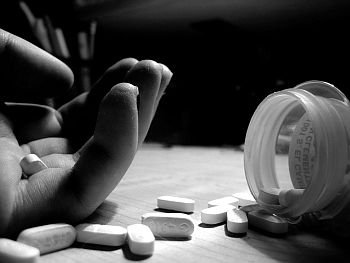
Somebody who has started to cut themselves needs help. Seeing the behaviour as a symptom of distress is very important. Sometimes families can be shocked and angry when they realize a young person has been cutting themselves. Try to resist this. Cutting is usually done in an attempt to feel better. The reason for that discomfort needs to be addressed and to be taken seriously. My elderly aunt took five paracetamol tablets one evening. She seems upset and miserable, but my uncle says there is nothing to worry about. She has been low before and she gets over it, he insists. You are right to be worried. The method of harm that someone uses is some guide to its seriousness, but is not a clear guide to the intent of the person taking an overdose. Most people know that taking 300 paracetamol would kill them. Not everybody knows that five paracetamol will not kill them, so your aunt’s feelings around the overdose are all important. Whether or not the overdose was planned or impulsive, whether it was taken in relatively safe circumstances, or kept hidden, are also important factors when doctors assess the seriousness of the situation.
Anybody who has taken an overdose, or tries to harm themselves deliberately in any way, needs to be seen and assessed by a health care professional. The action could indicate a serious suicidal intent. It is very unsafe to assume otherwise.
My sister took an overdose. The doctor who saw her in the Casualty Department said that she is not mentally ill. I think she must be to have done that.
Two-thirds of people committing deliberate self-harm are under the age of 35. It is most common in young women. Most people who deliberately harm themselves (principally by taking an overdose of tablets) are not mentally ill. However, almost everybody who deliberately harms themselves have symptoms of psychological stress. Definite psychiatric illness is found in less than one-third of people harming themselves. However, 1–2% of those taking an overdose will die from suicide in the following year.
Deliberate self-harm is usually a measure of acute unhappiness or frustration and it is a potent way of communicating distress to the people around. Very often the overdose is taken in the setting of drinking alcohol (and sometimes taking street drugs). Alcohol and street drugs will affect judgement and increase vulnerability. Deliberate self-harm is usually impulsive. Deliberate self-harm is usually precipitated by stressful and difficult events and is described as ‘situational stress’. These events have usually occurred in the days or hours prior to the overdose (not weeks or months before). In about half, there will have been a major row with a partner or family member. There might be conflict with the police and distress of forthcoming proceedings in court. There might have been loss of a job, difficulties with money, problems with children, intolerable problems with housing. There is a big link with unemployment. There may be many, many problems, but not definable mental illness.
What can I do to help after her hospital assessment?
Take the problem seriously. Encourage her to seek help. Encourage her to see if there are any changes that can be made, or at least work towards, that will make her situation more bearable. It may be that the crisis that precipitated the deliberate self-harm is now over. It will be important to see if any everyday practical difficulties with living could be tackled and made easier – could the voluntary agencies or social services have anything to offer? A loved one taking an overdose is immensely shocking. The event can, however, be used as a starting point for important and major changes.
Dorothy Parker, the New York poet, suffered from depression all her life. Despite two suicide attempts in her youth, she died of a heart attack aged 74. Her poems and journalism are still a joy to read nowadays, especially if you enjoy your wit acidic.
Resume
Razors pain you
Rivers are damp
Acids stain you
And drugs cause cramp.
Guns aren’t lawful
Nooses give
Gas smells awful
You might as well live.
Dorothy Parker
NEXT THEME: SUICIDE