3D Medical Animation – What is a Heart Attack?
Heart Attack: Symptoms, Diagnosis, and Treatments
Do heart attack survivors have to continue on medications?
Many patients who recover from a heart attack need one or more medications for a long time (and often for their entire lifetime). Many patients who recover from a heart attack need a variety of medications to control high blood pressure (BP). Doctors usually prescribe antihypertensive medications for their entire lifetime to those who have high BP, unless their physicians give special instructions to do otherwise.
When your blood cholesterol levels are markedly abnormal and low-cholesterol diets and physical exercise are not effective, you may need a variety of cholesterol-lowering medications under medical supervision (e.g., statins, niacin, and the like).
Medical experts recommend beta-blockers for every patient for 1 year or more after recovery from a heart attack. These beta-blockers reduce your heart rate and BP to lessen the demands on your heart. In a recent major study, the beta-blocker Coreg® was shown to reduce the risk of death among heart attack patients with impaired cardiac function by 23%.
Calcium-channel blockers help to relax the muscles of your blood vessels and often slow your heart rate. Blood-thinning medications (anticoagulants) make blood less sticky, so they can help to prevent blood clot formation. Doctors recommend them highly for most people who recover from a heart attack. A daily aspirin is an ideal medication for this purpose unless you demonstrate obvious reasons for avoiding them (e.g., recent surgery, peptic ulcer, and the like). For some people, their doctor may prescribe a blood thinner stronger than aspirin.
Some people with clinically significant arrhythmias (abnormal heart rhythms) need one or more medications under close medical supervision to control or to prevent arrhythmias. Thus, you may require antiarrhythmic medications even after implantation of an artificial pacemaker or ICD.
If you had a moderate to severe heart attack associated with major complications (congestive heart failure or cardiogenic shock), angiotensin-converting enzyme (ACE) inhibitors are highly beneficial in improving blood circulation of your coronary arteries and improving the pumping action of your heart.
Many patients who recover from a heart attack may need additional medications. For example, if you were diabetic, you would need insulin or other medication to control your diabetes. Also, you might require other medications depending upon coexisting diseases.
What activities should I avoid after a heart attack?
Patient comment:
Even though regular physical exercise is extremely beneficial after recovering from a heart attack, you should avoid certain activities. For example, you should avoid any competitive or vigorous sports beyond what your heart can take. Any competitive sport has a tendency to create emotional tension and anxiety that cause unnecessary stress, which is harmful to your heart. The stress may provoke angina or abnormal heart rhythms and may raise your blood pressure. Even betting money during any sport or game is not recommended for anyone who recovered from a heart attack in order to avoid unnecessary stress.
The key is: Stay relaxed! Things that make you anxious should be eliminated.
For anyone who recovers from a heart attack, it is absolutely important to stop smoking. As emphasised repeatedly, smoking is a major coronary risk factor that you can eliminate completely. There are methods available to help you quit if you are unable to do so on your own; contact the American Lung Association for information on quitting smoking. Alcohol is not directly harmful if you consume only small amounts, e.g., one to two glasses of wine with dinner, depending on your tolerance for alcohol; you should not drink a quantity that is likely to get you tipsy or drunk. However, alcohol may trigger some abnormal heart rhythms and reduce the pumping action of your heart. Thus, you are advised to take alcohol (even small amounts) under close medical supervision. You should avoid vigorous competitive or contact sports. You should avoid sudden physical exercise, such as rapid dancing, run, or be playing singles tennis, soon after meals or alcohol consumption. Any physical activity on very cold or hot days (especially with high humidity) is very dangerous, and you should avoid it. In particular, cleaning a snow-covered driveway on a cold day is extremely dangerous-it is actually almost suicidal for a person recovering from a heart attack to do this.
Driving an automobile is safe only about 3 to 4 weeks after your discharge from the hospital. Doctors recommend initially driving a short distance for half an hour or less. You should avoid rush hour traffic if possible. If you have received an ICD, you may have to wait longer until you can safely drive because of the danger of provoking serious abnormal heart rhythms during driving. If any cardiac symptoms occur during your driving, you should contact your physician for a further recommendation.
You should minimise emotional stress as much as possible after your recovery from a heart attack. Emotional stress causes a fast heart rate, raises your BP and increases your heart’s workload. You should learn how to be realistic and optimistic and to relax. Regular exercise and an optimistic attitude are very important in reducing any stress, and you should try hard to be happy. There are many options-classes, self-help books, etc.-for learning to manage your emotions if you don’t know how. If you are a chronically unhappy or angry person, consider counselling with a minister or psychological professional to address long-term emotional problems-it could be a life-or-death effort.
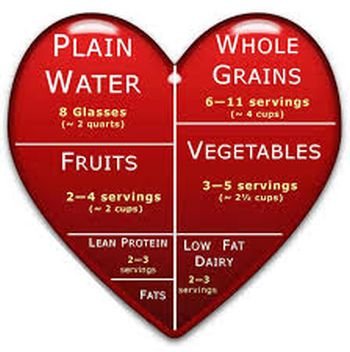
It is very important also for you to maintain a proper healthy diet after recovering from your heart attack, especially if you have abnormal blood cholesterol levels or are obese. You should markedly minimise your intake of high-cholesterol foods, including red meat from four-legged animals, egg yolk, butter, cheese, certain seafood (shrimp, lobster, crab, clams, oysters), ice-cream, and whole milk. You should eat more of a variety of fish (e.g., mackerel and salmon), which contain omega–3 fatty acids, and eat egg white in place of egg yolks. Fruits and vegetables and proper exercise can benefit you considerably.
By and large, if you are overweight, you should not overeat and should markedly reduce your calorie intake. Remember that the risk of coronary heart disease, including heart attack, increases significantly even if you are just 10% overweight. In addition, if you lose just 5 to 10 pounds, you can reduce your BP. If you need to lose weight, talk to your physician or ask for a referral to a nutritionist. Sometimes, weight loss can be best accomplished by educating yourself about what you can and cannot eat, and how much you should eat.
Will physical activity help to build up my body after a heart attack?
Proper exercise is beneficial for heart attack survivors. Before engaging in any exercise program, however, you should discuss your exercise plan in advance with your physician. Medical researchers highly recommend performing a stress test (exercise ECG test) to determine your exact ability to engage in any physical activity. By doing so, your doctor can scientifically measure your heart’s functional capacity (your ability to perform the physical activity).
Exercise is proven to be a major component of a cardiac rehabilitation program. Exercise is beneficial in improving the heart muscle function after a heart attack. In addition, the beneficial effects of exercise include maintaining a healthy body weight, blood pressure, and blood cholesterol levels and in controlling diabetes. Regular physical exercise usually reduces emotional stress. The American Heart Association recommends proper healthy physical exercise, such as brisk walking, bicycling, swimming, jogging, and dancing, for 30 minutes at least three to four times a week. Every individual should start any exercise program gradually and not abruptly. There is no set time schedule for when to resume a sexual relationship after you recover from a heart attack. However, it is relatively safe to resume sexual activity a few weeks after your discharge from the hospital. Resuming a sexual relationship should be gradual, and you should be certain that you are free of any cardiac symptoms (chest discomfort, shortness of breath, tired feeling, dizziness, and palpitations). You should select any sexual position that requires less physical effort, and you should feel comfortable. If any abovementioned symptom occurs during sexual activity, you should stop immediately and inform your physician. You should avoid sexual activity within 2 hours after meals or alcohol consumption. Sexual relationships with a much younger person and/or extramarital affairs are not recommended, because overexcitement may be dangerous to you. In considering sexual activity, you should consult your physician first. Some medications may cause unexpected side effects, especially when you are taking several medications together.
Returning to work is a reasonable physical activity provided that you avoid the above-mentioned risks. Most people will be able to return to work about 3 to 4 weeks after discharge from the hospital. Several factors will determine the exact time of your return to work, however: the degree of heart muscle damage, the severity of various complications, speed of recovery, and the type of work.
Initially, your return to work should be gradual and progressive, as you can tolerate it. It is a good idea for you to work only half a day at first and gradually increase your work to a full day. If your job is very physically demanding, such as work involving manual labour, you may have to change your occupation to one that demands less physical work (e.g., a desk job).
Term:
Functional capacity – ability to perform physical activity.
Every individual should start any exercise program gradually.
Initially, your return to work should be gradual.