Burnout – Causes, symptoms and treatment (Video)
Stress and Burnout: Burnout Symptoms and Causes
10 Signs You’re Burning Out — And What To Do About It
Burnout and stress
I work as a teacher and I have had so many demands lately on my time because of a forthcoming OFSTED inspection that I just don’t seem to have any go left in me and I make silly mistakes. Is this burnout?
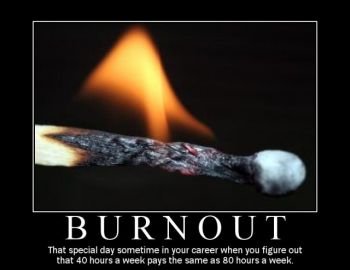
Burnout is a popular term, rather than a clearly defined medical diagnosis. It is widely used to describe a syndrome (a collection of symptoms) of emotional exhaustion, in a context of overwork and depleted resources.
Some of the signs (in alphabetical order) are apathy, denial, depressed moods, exhaustion, forgetfulness, guilty feelings, indecisiveness, insomnia, irritability, lack of enthusiasm, loss of sex drive, loss of interest in usual pastimes and hobbies, paranoid feelings, social isolation, stress, temper outbursts, working later and later.
The term ‘burnout’ isn’t a formal psychiatric diagnosis. It is commonly used to describe professionals, particularly those from the caring professions, who have become exhausted to the stage of indifference, perhaps in a climate of complaints and imposed changes. Once you, or a colleague, have gone this far, you may then be at risk of making all sorts of mistakes, which will cause you, and others, progressive trouble, which you then are unable to cope with. The situation can worsen.
Perhaps the best treatment is not to let it happen in the first place. Recognise the signs of stress in yourself and colleagues, and see that you step away from your pressures as early as possible. Support your colleagues if you see that they are flagging. A few kind words can make all the difference on one of those days when nothing goes right.
• Lower your horizons accept and set some quite modest goals.
• Watch out for warning signs: irritability, not bothering, taking it out on undeserving colleagues, inability to relax.
• If you have symptoms of depression, acknowledge this and seek help.
• Take advice, and get support, from your peers and colleagues.
• Many professionals dealing with people’s problems have work ‘supervision’. If you don’t have this available, organize it for yourself.
• One-to-one or group support can be very helpful.
• Polish up existing skills, and develop some new ones. Take pleasure from them.
• Play to your own strengths. Do what you’re good at, and enjoy it.
• Reward yourself; make sure that you get away for regular coffee and lunch breaks.
• Make sure that you take your annual leave.
• Can you take a sabbatical?
• Don’t neglect your family, your spare time, or your hobbies.
• Investigate early retirement, but don’t give up too easily.
I’m a workaholic. All my nervous energy goes into thinking about my job, morning, noon and night. My wife and family complain, and perhaps they’re right. What can I do?
Some people do really start to act as if they’re addicted to their work, just as you can get addicted to harmful substances. As with other addictions, family and friends can suffer as a result. Perhaps it’s a question of remembering to keep a balance between your life at work and life at home, and remembering what you really value in life. Try to invest some of your drive into activities away from work, at home or in your local community.
Try and find yourself rewards outside the world of work and use some pointers from the list above.
I know that, if I get too worked up about things, it really takes it out of me, and then I start to feel very low. How can I deal with stress better?
You’re right to recognise that you shouldn’t push yourself too far. The commonest sources of stress in people’s lives are probablyrelationships, money, work-related issues, and family – singly or in combination. These may affect us in the form of immediate crises, or as chronic, long drawn-out worries. Boredom is also stressful – ask anybody who has been unemployed. We often have blind spots to how these things affect us. Ill health and stress do go together: we know that stress raises your blood pressure and heart rate. The symptoms of stress – poor sleep, tension, irritability, mood changes, poor concentration – if prolonged, merge into those of anxiety and depression.
Here is a list of antistress tactics:
• It’s down to you; you have, in fact, more control over the situation than you think.
• Don’t burn the candle at both ends; make sure that you get proper time off.
• Look after yourself properly: have a sensible diet and have proper meal breaks.
• Have an early night now and then, and an occasional late one too.
• Watch out for overuse of caffeine, alcohol, nicotine, (and other, worse, substances).
• Take some exercise regularly, just a few minutes every day is a start.
• Enjoy a creative hobby – take one up if necessary.
• Walk away from trivial disputes and disagreements.
• Watch out for signs of pressure: driving too fast, being irritable. Then slow down.
• Agree with people sometimes – you’ll make some useful allies.
• Talk to someone about how you feel.
• Put something back in for someone else.
• Can you learn assertiveness skills (rather than aggressiveness)?
• Accept what you cannot change, and change what you need to.
• Plan ahead; allow yourself time for things – especially time off and leave.
• Delegate things. Learn to say no
• Settle for ‘good enough’ rather than perfect sometimes.
• If you’re sick, go off sick.
• Give yourself a treat sometimes.