Repairing DNA: Our Best Defense Against Cancer
The devil is in the details
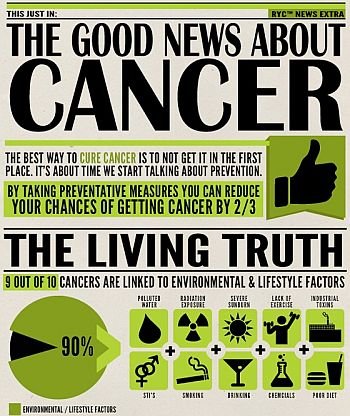
The types of changes to DNA that enable a cancer to grow, survive, and evolve can be understood by describing the development of colon cancer. The first DNA mutation that starts a cell on the long road to becoming a colon cancer is caused by a combination of environmental factors (such as a diet low in fiber and high in red meat) and a person’s genetic makeup. With additional genetic changes, a benign polyp emerges. Further changes cause the polyp to be converted into a cancer.
Still more mutations to DNA enable the mature cancer to leave the confines of the colon and spread to lymph nodes, the liver, and other locales. The conquest of cancer begins with the precise understanding of these changes to DNA, a fact not lost on science’s brightest minds. Dr. Bert Vogelstein and colleagues have pioneered our understanding of the genetic changes that bring about cancer. They have clarified that most cancers proceed according to a “genetic model” in which each step on the road to cancer is accompanied by additional DNA alterations.
Many of these alterations involve the activation of oncogenes and loss of tumor suppressor genes, as being central to the development of every cancer.
The multitude of DNA changes that characterize cancer explains why the disease often needs to be treated with more than one drug: many methods of attack are needed to hit so many different targets. For example, a patient with advanced colon cancer today may receive up to four medicines as the initial effort to control the disease: three chemotherapy drugs (5-FU and leucovorin plus either irinotecan or oxaliplatin) plus bevacizumab (Avastin), a targeted therapy that alters blood flow to a tumor. Ongoing clinical trials are testing the addition of still more drugs to the standard four-drug colon cancer regimen. In the future colon cancer treatment may involve the use of five or six drugs in an attempt to eliminate every last cancer cell.
The treatment of other cancers is following suit. The addition of newer targeted drugs to traditional chemotherapy is leading patients to have a better quality of life, longer survivals, and more cures. Also, the addition of radiation therapy to chemotherapy (“chemoradiation”) to fight cancers that are difficult to cure surgically, such as stage III cancers of the lung, pancreas, and esophagus, provides a multipronged assault on cancer’s many deranged pathways of growth and survival. Sometimes, and in particular with cancer, you have to fight fire with fire. Cancer’s development has both organized and chaotic aspects. As chaos affects its genetic makeup, a cancer generates a diversity of cells with varying abilities. Ultimately, some cells may spread and cause metastases, the greatest challenge to survival.