VIDEO
The digestive system: The mill in our bodies
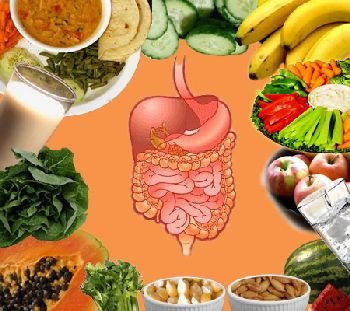
What Is Digestion and Why Is It Important?
The simple definition of digestion is the breaking down of foods into absorbable components in the gastrointestinal (GI) tract. Through a multistep digestive process, bood is softened with moisture and heat, and then broken down into smaller particles by chewing and exposure to enzymes.
Digestion Occurs in the GI Tract
The GI tract consists of the mouth, esophagus, stomach, small intestine, large intestine, and other organs. The main roles of the GI tract are to (1) break food down into its smallest components; (2) absorb the nutrients; and (3) prevent microorganisms or other harmful compounds consumed with food from entering the tissues of the body.
The GI tract is a tube about 23 feet long beginning with the mouth and ending with the anus. Stretched vertically, this would be about as high as a two-story building. The many circular folds, grooves, and projections in the stomach and intestines provide an extensive surface area over which absorption can occur. The cells lining your GI tract have a very brief life span. They function for three to five days and then they are shed into the lumen (interior of the intestinal tract) and are replaced with new, healthy cells.
Digestion Is Mechanical and Chemical
There are two forms of digestion: mechanical and chemical. Mechanical digestion involves chewing, grinding, and breaking food apart in the mouth so that it can be comfortably swallowed. The muscular activity and rhythmic contractions, or peristalsis, that move food through the GI tract and mix it with enzymes are also part of mechanical digestion. Digestion Allows Us to Absorb Nutrients from Foods
Digestion is the forerunner to absorption. Once the nutrients have been completely broken down, they are ready to be used by the cells of the body. In order to reach the cells, however, they have to leave the GI tract and move to the other parts of the body. To accomplish this, nutrients are absorbed through the walls of the intestines and into the body’s two transport systems: the circulatory and lymph systems. They are then taken to the liver for processing before moving on to their destination. The body is remarkably efficient when it comes to absorbing nutrients. Under normal conditions, you digest and absorb 92 to 97 percent of the nutrients from your food.
The Take-Home Message
Digestion is the chemical or mechanical breaking down of food into smaller units until it can be absorbed for use by the body. Digestion takes place in the gastrointestinal tract, which includes the mouth, esophagus, stomach, small intestine, large intestine, and other organs. Absorption is the process by which the digested nutrients move into your tissues. You absorb more than 90 percent of the nutrients that you take in from foods.
Chemical digestion involves digestive juices and enzymes breaking down food into absorbable nutrients that are small enough to enter the cells of the GI tract, blood, or lymph tissue.
Gastrointestinal (GI) tract – Body area containing the organs of the digestive tract. It extends from the mouth to the anus.
Peristalsis – The forward, rhythmic motion that moves food through the digestive system. Peristalsis is a form of mechanical digestion because it influences motion, but it does not add chemical secretions.
Mechanical digestion – Breaking food down through chewing and grinding, or moving it through the GI tract with peristalsis.
Lumen – The interior of the digestive tract, through which food passes.
Enzymes – Substances that produce chemical changes or catalyze chemical reactions.
Digestive process – The breakdown of foods into absorbable components using mechanical and chemical means.