Truth About Carbohydrates & Sugar | Nutrition, Weight Loss, Glycemic Index, Carbs, Psychetruth
Your Body Can Store Some Surplus Nutrients
While you now know how the body digests and absorbs the nutrients from foods, you might be wondering what happens to the nutrients once they are absorbed.
Whereas some nutrients are used immediately for energy and other functions, your body can store other, surplus nutrients to be used in times of need. For example, some excess glucose is stored in your liver and muscles in a form called glycogen, to be readily available when you don’t eat, such as between meals. Other excess energy (calories) is stored in the form of fat cells. Some vitamins and minerals can also be stored. For example, storing calcium in your bones will help keep them strong. However, storing excessive amounts of fat-soluble vitamins, such as vitamin A, and some minerals, such as iron, can be toxic.
The Take-Home Message
In the mouth, saliva mixes with food during chewing, moistening it and making it easier to swallow. Swallowed food that has mixed with digestive juices in the stomach becomes chyme. Maximum digestion and absorption occur through the villi and microvilli in the small intestine. Undigested residue next enters the large intestine, where additional absorption of water and electrolytes occurs. Eventually, the remnants of digestion reach the anus and exit the body in stool. Enzymes, hormones, and bile help break down food and regulate digestion. The liver, gallbladder, and pancreas are important accessory organs. The liver produces bile and the gallbladder concentrate and stores it. The pancreas produces enzymes and hormones. Some excess nutrients can be stored in your body.
What Other Body Systems Affect Your Use of Nutrients?
The human body is a well-coordinated organism. Each of us eats, drinks, sleeps, and lives a normal existence without too much thought about what we are consuming. We don’t have to constantly worry about keeping ourselves nourished, or distributing nutrients to our cells, because numerous body systems are doing this work for us. Among the systems that remind us to eat, distribute nutrients in our bodies, and excrete waste products are the nervous system, the circulatory and lymphatic systems, the endocrine system, and the excretory system.
The Nervous System Stimulates Your Appetite
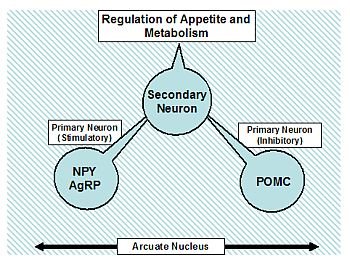
The main role of the nervous system in keeping you nourished is to let you know when you need to eat and drink and when to stop. Your brain, with the help of hormones, has a central role in communicating and interpreting the message of hunger and encouraging you to seek food. For example, when your stomach is empty, the hormone ghrelin signals your brain to eat. If you ignore the signals of hunger or thirst sent by your nervous system, you may experience a headache, dizziness, or weakness.
The nervous system helps each of us make daily decisions regarding what to eat, when to eat, where to eat, and, perhaps most important, when to stop eating.
The Circulatory System Distributes Nutrients through your Blood
The blood is the body’s primary transport system, shuttling oxygen, nutrients, hormones, and waste products throughout the body. The oxygen-rich blood that the heart receives from the lungs is pumped from the right side of the heart out to the body for its use. During digestion, the blood picks up nutrients through the capillary walls in the GI tract, transports them to your liver, and eventually delivers them to the cells of your body. Without the circulatory system, nutrients that you eat would not reach your cells. Equally important, the blood removes carbon dioxide, excess water, and waste products from the cells and brings these substances to the lungs (carbon dioxide) and kidneys (water, waste products) for excretion.
The Circulatory and Lymphatic Systems
Blood and lymph are fluids that circulate throughout the body. They both distribute nutrients to cells and blood also picks up waste products from cells and delivers them to the kidneys for eventual excretion
The Lymphatic System Distributes Some Nutrients through Your Lymph
The lymphatic system is a complex network of capillaries, small vessels, valves, nodes, and ducts that help maintain the internal fluid environment. Some absorbed nutrients, such as the products of fat digestion, must pass through the lymphatic system before they enter the bloodstream because they are too large to enter the bloodstream directly. Lymph also transports digested fat-soluble vitamins from the intestinal tract to your blood. The lymph eventually connects with the blood near the heart. Lymph also contains white blood cells that aid your immune system.
The Endocrine System Releases Hormones That Help Regulate the Use of Nutrients
The endocrine system consists of a series of glands, including the pancreas, the pituitary, the thyroid, and the adrenal glands, that release hormones into the bloodstream.
The hormones regulate growth, reproduction, metabolism, and the cells’ use of nutrients. For example, the hormones insulin and glucagon help regulate blood levels of glucose. When blood glucose levels get too high, the pancreas releases insulin, which directs the glucose out of the blood and into cells. On the flip side, if blood glucose levels dip too low, the body releases glucagon, which directs the release of the body’s stored glucose to increase the levels in blood.
The Excretory System Passes Urine Out of the Body
The excretory system eliminates wastes from the circulatory system. After the cells have gleaned the nutrients and other useful metabolic components they need, waste products accumulate. For example, the breakdown of proteins creates nitrogen-containing waste, such as urea, that must be eliminated. The kidneys filter the blood, allowing these waste products to be concentrated in urine and excreted out of your body. Excess water-soluble vitamins are also excreted in urine. Finally, the kidneys play an important role in helping the body maintain water balance.
The Take-Home Message
In addition to the digestive system, other body systems help us use the nutrients we take in from foods. The nervous system lets us know when we need to eat or drink, the blood and lymph systems deliver absorbed nutrients to cells, the endocrine system releases hormones that regulate nutrient use in cells, and the excretory system helps filter and eliminate waste products from the blood.
The Excretory System
Water and waste products from cells are filtered from your blood in the kidneys and expelled from your body in urine.