Pancreatic Cancer Symptoms Awareness Video – chronic pancreatitis
CONTROL OF CHRONIC CANCERS
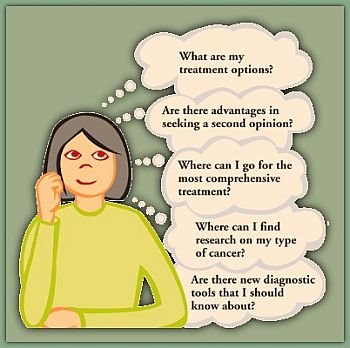
Throughout these texts, I have made the case that each of us is unique and that every cancer is unique. Every cancer patient is also at a unique point in his or her life when diagnosed, having gotten there by a life journey that no one else could have traveled.
Some are in the prime of their life, with dependents and the bitter need to survive, others at a ripe age, with their life goals accomplished and an acceptance of life’s limits. All of these factors and the cold, hard facts about the cancer at hand go into formulating a plan of action to treat a chronic cancer. Not surprisingly, this plan differs from patient to patient.
Perhaps this last statement is surprising or unsettling. After all, shouldn’t there be a “best” treatment for any disease, especially one as serious as cancer? For the highly curable cancers, usually there are just one or two best treatments; this is the case mainly because once a curative, well-tolerated therapy is found through years of trial and error, it is difficult to improve upon. For example, most patients with testicular cancer requiring chemotherapy will receive one of two regimens, PEB or EP (P = platinum, E = etoposide, B = blemoycin).
On the other hand, the treatment of less curable, chronic cancers includes not one or two best possibilities but an expanding array of equally effective choices (a patient may receive different expert opinions on treatment; none can be considered the “right” treatment). Just ten years ago, the oncologist could reach for only a few chemotherapy drugs. Today there are many new chemotherapy drugs plus better ways of giving older ones; a growing list of targeted therapies; combinations of chemo and targeted treatments; and experimental drugs being tested in clinical trials that have a greater likelihood of being successful than in years past.
For example, as of 2009, a woman with metastatic breast cancer may receive one of seven hormone-blocking drugs (for many years there was mainly tamoxifen or Megace); when one stops working, another one is employed. She may receive one of more than ten chemotherapy drugs or as many combinations of them; again, when one stops working, another option is tapped. In addition, if the cancer expresses the Her2 protein, then the targeted therapies Herceptin or lapatinib (Tykerb) are added to chemotherapy. If the cancer does not make Her2, bevacizumab (Avastin) may be added to chemotherapy (how these drugs work to stop cancer growth is explained in chapter 7). Each new drug and every new combination represent another way to keep the cancer in check. Each advance came about through cancer research: new drugs were discovered and tested in altruistic and brave cancer patients in clinical trials.
The same principles hold true for other cancers, whether they are the common ones such as lymphoma, lung, colon, and prostate cancer or the less common ones such as sarcomas and kidney or pancreatic cancer. Although the treatment well runs dry faster for the less common cancers, even this stagnant ground is shifting as new options are in the offing. As I wrote, two new drugs, sorafenib (Nexavar) and sunitinib (Sutent), were approved by the FDA for metastatic kidney cancer and a third, called temsirolimus (Torisel), was approved.
Kidney cancer is largely unresponsive to chemotherapy drugs. Before the introduction of these targeted therapies, treatment options for kidney cancer included mainly interferon and interleukin, which work with minimal success.
Clearly, the treatment landscape for advanced cancers is undergoing a revolution. The ultimate goal of cancer research is to find cures; the immediate goal for cancer patients with metastatic disease is disease control, long-term survival, and an acceptable quality of life. These are being increasingly realized through the use of all available options: effective approved treatments and promising experimental ones. Yet whichever therapy is chosen to treat a chronic cancer, the goal should always be to give the most effective therapy with the fewest side effects whenever possible.