VIDEO
What is the role of protein in the body?
Protein is a crucial nutrient that is required for growth and repair of muscle and other body tissues. Additionally, protein plays a large role in the formation of hormones, hemoglobin (blood), enzymes, and antibodies.
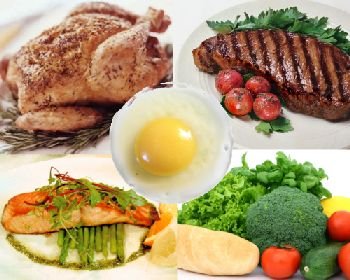
Proteins are comprised of amino acids, and unlike carbohydrates, they are not stored in the muscles cells as a source of energy. The recommended dietary intake for protein should range between 15% and 20% of an athlete’s overall diet. Most athletes usually get this amount of protein from their daily food intake. Overconsumption of protein may lead to increased fat storage and dehydration, and long-term use may cause kidney damage. Good sources of lean proteins include nuts/nut butters, eggs, beans, chicken, turkey, low-fat dairy products, soy, and fish.
What are the general protein requirements for athletes?
Protein requirements for athletes are variable and depend on the intensity and duration of the exercise or sport, total daily energy expenditure, and gender. Protein needs can be adequately met through diet as long as total energy intake is sufficient. Boosting protein intake above the recommended amounts will not provide an additional benefit to the athlete because there is a limit to the rate at which lean muscle mass can accrue. The overconsumption of protein, in excess of 2 grams per kilogram of body weight per day, could potentially lead to acute as well as chronic kidney damage. Athletes with kidney disease should be aware of the dangers of consuming high-protein diets. Daily protein requirements for endurance and strength athletes.
What are the potential health consequences of consuming more than the recommended amount of protein in the diet?
Athletes should be aware of the potential health consequences associated with consuming higher than recommended amounts of dietary protein. High dietary protein intake can lead to numerous health consequences.
Why is fat an essential part of an athlete’s diet?
Fat can be an important source of long-term energy during exercise. It protects and insulates body organs and is necessary for absorption of fat-soluble vitamins (A, D, E, and K). Recommended fat intake is 20% to 30% of an athlete’s daily food intake. If an athlete consumes a diet that is too low in fat (less than 15%), his or her health may be adversely affected. The side effects of a low-fat diet include dry skin, brittle nails, hair loss, decreased protection of organs, and a fat-soluble vitamin deficiency that leads to poor physical and mental performance.
What are the two principle types of fat?
The two principle types of fat in the diet are saturated and unsaturated. Saturated fat and trans-fat are often referred to as the “bad” fat and can lead to high cholesterol, heart disease, weight gain, and poor mental and physical performance. Saturated fats are found in foods such as candy, baked goods, ice cream, whole and 2% milk products, cheese, red meats, and fried foods. Saturated fat should be consumed in moderation, ideally less than 10% of total fat intake. Unsaturated fats, including polyunsaturated fats and monounsaturated fats, are often referred to as the “good” fats, as they are essential to health and may protect against heart disease. Unsaturated fats are found in liquid oils (olive oil, canola oil, and peanut oil), nuts, seeds, avocados, and fish. Eating a diet that
is low in saturated fats and higher in unsaturated fats can have a positive impact on the athlete’s health and sports performance.
If an athlete consumes a diet that is too low in fat (less than 15%), his or her health may be adversely affected.
Terms:
Hormone – A complex chemical substance produced in one part or organ of the body that initiates or regulates the activity of an organ or group of cells in another part.
Enzymes – Proteins that accelerate chemical reactions.
Antibodies – Part of the immune system that helps to combat and neutralize foreign bodies such as viruses, bacteria, and parasites.
Amino acids – The basic structural building units of proteins.
Recommended dietary intake – The daily amount of nutrients needed to satisfy approximately 98% of healthy individuals.
Total energy intake – Total amount of calories (energy) needed by the body over a 24-hour period.
Metabolites – A substance produced by the process of metabolism or vital for a certain metabolic process.
Satiety – Being full or satisfied.
Decalcification – A loss of calcium from teeth and bones.
Fat-soluble vitamins – A group of vitamins that do not dissolve easily in water and require dietary fat for intestinal absorption and transport into the bloodstream. The fat soluble vitamins are A, D, E, and K.
Saturated fat – Fat that can cause an increase in cholesterol levels and that increases the risk for heart disease.
Trans fat – Considered to be an unhealthy source of fat that often leads to cardiovascular disease if ingested in high amounts.
Unsaturated fat – A heart-healthy fat that has the potential to lower cholesterol levels and reduce heart disease.
Polyunsaturated fat – A type of unsaturated fat that has been shown to prevent heart disease.
Monounsaturated fat – A type of fat that is shown to reduce the incidences of heart disease