Irritable Bowel Syndrome (IBS)
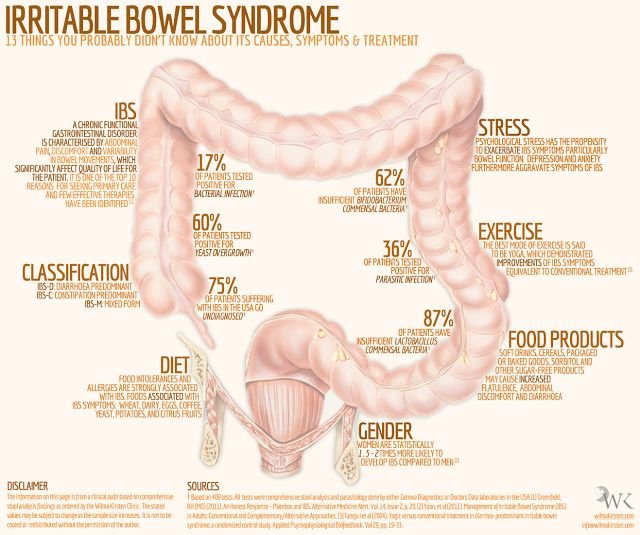
Disorders of the Intestines
Disorders of the intestines can occur anywhere along the length of the small and large intestines. Common, temporary problems can include gassiness, diarrhea, constipation, and hemorrhoids; more serious disorders include celiac disease and Crohn’s disease.
Flatulence
Flatulence is the release of intestinal gas from the rectum. It can be uncomfortable and sometimes embarrassing (but normal). Intestinal gas is produced for a variety of reasons, and most adults release it 10 to 20 times a day! Eating too fast, or drinking beverages with added air, such as beer and carbonated beverages, can result in the intake of air that makes its way through the GI tract. Legumes such as beans and lentils can lead to gas production because they contain indigestible carbohydrates that are fermented by intestinal bacteria. The bacteria produce the gas as a by-product. The gas is a mixture of carbon dioxide, hydrogen, nitrogen, oxygen, and methane. The offending odor comes from the gases that contain sulfur. Using products such as Beano, eating smaller meals, adding fiber gradually in your diet, and increasing your fluid intake can all help you help reduce the amount of gas produced.
Constipation and Diarrhea
Constipation is caused by excessively slow movements of the undigested residue through the colon, and is often due to insufficient fiber or water intake. Consuming an adequate amount of dietary fiber daily can help prevent constipation. Stress, inactivity, or various illnesses can also lead to constipation. It is usually treated with increasing the fiber and fluids in the diet. Daily exercise, establishing eating and resting routines, and using over-the-counter stool softeners are usually recommended to treat this condition. Diarrhea is the passage of frequent, watery, loose stools. It is considered more serious than constipation because of the loss of fluids and electrolytes. If the diarrhea continues for an extended period of time, you may mal absorb additional nutrients, which can lead to malnutrition. There are many causes of diarrhea, including contaminated water, various microorganisms, stress, or excessive fiber intake. Diarrhea is generally treated with fluid and electrolyte replacement. Most physicians identify the cause(s) of the diarrhea in addition to treating the symptoms.
Hemorrhoids
Hemorrhoids are a condition in which pressure in the veins in the rectum and anus causes swelling and inflammation. The walls of the veins dilate, become thin, and bleed. As the pressure builds, the vessels protrude. Straining to pass dry stools, pregnancy, chronic constipation or diarrhea, and aging are all factors that can contribute to hemorrhoids. You may never know that you have hemorrhoids unless they begin to bleed (following a bowel movement), itch, or become painful. As with constipation, increasing both your fiber and fluid intake can treat hemorrhoids. Sometimes surgery may be necessary to remove hemorrhoids.
Gallstones – Small, hard, crystalline structures formed in the gallbladder or bile duct due to abnormally thick bile.
Flatulence – Production of excessive gas in the stomach or the intestines.
Constipation – Difficulty in passing stools.
Hemorrhoids – Swelling in the veins of the rectum and anus.