“Life has many ways of testing a person’s will, either by having nothing happen at all or by having everything happen all at once.”
– Paulo Coelho
More than 60% of cancers in the United States occur in people over the age of 65. In this video, Dr. Richard Goldberg discusses the challenges and needs of older adults with cancer.
The challenge in caring for people with advanced cancer is perhaps tested most acutely when elderly and especially extremely old people get cancer. A fine line must be walked between the benefits of treatment to prolong life or control cancer-related symptoms and the ease with which treatments provoke side effects.
Aging diminishes the capacity of a number of organs in the body that affect cancer treatment, including: the bone marrow and the ability of blood counts to withstand chemotherapy; the liver and the ability to metabolize drugs; the kidney and the ability to eliminate drugs; and the brain and the ability to remember complex medication schedules.
Beyond the purely physical, many older individuals have lost a spouse or suffer from loneliness and a predisposition to depression. At a time of life when greater support is needed, often less support exists.
But life is full of the unexpected, and sometimes good can come from bad. The interaction of an older cancer patient with a vibrant cancer center can get that person beyond his or her four walls into a lively and welcoming place where “somebody knows your name.” With laughter, art workshops, support groups in which to socialize, and even snacks, the importance of community cancer centers in treating the older patient (or anyone) cannot be overstated.
Researchers are trying to develop cancer-specific geriatric assessment tools to help oncologists better judge which treatments an older patient can tolerate. When older people become cancer patients, they are especially wary of taking treatments that may not help them live substantially longer but may make them ill during their remaining days. Until we can predict how well an individual will tolerate cancer treatments, physicians will have to use their powers of perception and clinical judgment or rely on the assessments of a spouse: “Look at him. He’s eighty-six and looks great. He mows the lawn, walks a mile every day, and eats me out of house and home. God bless him!”
A vignette: Catherine, an extraordinary eighty-four-year-old woman, legally blind, published nonfiction author, beloved mother, and grandmother, came to see me after being diagnosed with stage IV lung cancer.
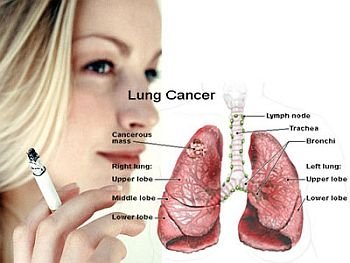
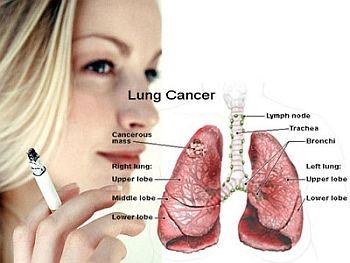
The cancer was detected after severe back pain led her to see her doctor. CT scans showed that the culprit was a tumor pressing on her spinal cord. Catherine had once been a smoker, and a chest CT scan found the primary lung cancer. Biopsy confirmed the diagnosis. She agreed to meet with an oncologist, though she “did not expect much to come of it.”
At our first meeting, Catherine made it clear that she was realistic about her condition and was not afraid of death. Yet, she said, she would like to live without pain and “wouldn’t mind living longer. I do have a book in the works and would love to finish it.”
The initial strategy was to avoid anticancer drug treatments (and their side effects) and focus on the symptoms the cancer was causing. If the cancer grew slowly, such a strategy could maintain her quality of life for some time. Radiation treatments to the tumor on her spine greatly improved her pain. She began monthly infusions of Zometa to prevent bone fractures and weekly injections of Procrit to improve her anemia (in this case caused by the cancer) and energy level.
Two months later Catherine developed shoulder pain and weakness, signs that the cancer was progressing. Pain medication was prescribed. She and I discussed that although drug treatments could not cure the cancer, they might slow its growth. Despite her age, there were therapies that, without causing major side effects, might improve how she felt and possibly prolong her life. If a treatment was tried, it could always be stopped. With understandable hesitation, Catherine agreed to try.
We started with a targeted therapy in the hopes of avoiding significant side effects, but it made Catherine feel weak. The dose was lowered and the pill continued for a month. Her cancer symptoms did not improve, so the treatment was abandoned. She agreed to try an intravenous chemotherapy drug given once a week that, to her surprise, did not make her sick at all; in fact, she felt better than when taking the nonchemo pill. Unfortunately, this treatment also proved ineffective. Fatigue and pain were gradually increasing, but Catherine was still strong enough to make office visits and live independently. I explained that her symptoms would not improve unless we gained some control over the cancer. We openly and thoroughly discussed all her options, including stopping cancer treatments and choosing hospice. Becoming resigned to losing her battle with cancer soon, she admitted that she intended to turn down any book contract she was offered rather than commit to an obligation she could not fulfill.
Sensing that I had one last opportunity to help her, I offered another chemotherapy drug that, if given at a lowered dose, would not cause debilitating side effects or hair loss (this was important to her). After two weekly injections, she appeared stronger, did not rely on her cane as much, and sat in my office smiling. “I feel really well. I have no pain and I want to do things,” she said. “I have no idea what this means. I’m actually shocked. Is this the end of the beginning or the beginning of the end?”
Two months later, Catherine began an office visit by stating, “I have bad news.” I was put off-balance: “You have bad news for me? What is it? I thought things were going well?” Her reply: “I signed a book contract.” I started howling and said, “That’s fantastic, congratulations!” She replied somewhat sheepishly, “I hated to tell you. The whole process is so unfair”. She then sat up energetically, looked me in the eye, and said, “Okay. Now you have to make me live forever.”