Celiac Disease: An Issue of Absorption
One of the more serious malabsorption conditions to occur in the small intestine is celiac disease. A healthy small intestine contains the numerous villi and microvilli that efficiently and exhaustively absorb nutrients from food. In some people (about 1 in 133 Americans), the lining of the small intestine flattens out due to an autoimmune reaction to gluten, a protein found in wheat and other grains. This reduces the intestine’s ability to absorb nutrients.
What Causes Celiac Disease?
The exact cause of celiac disease is unknown, but it is believed to be genetic, and is more common among people of European descent. The risk for the disease may be decreased by breastfeeding rather than bottle-feeding infants. Celiac disease is sometimes detected or caused by surgery, pregnancy, a viral infection, or severe emotional stress.
What Are the Symptoms of Celiac Disease?
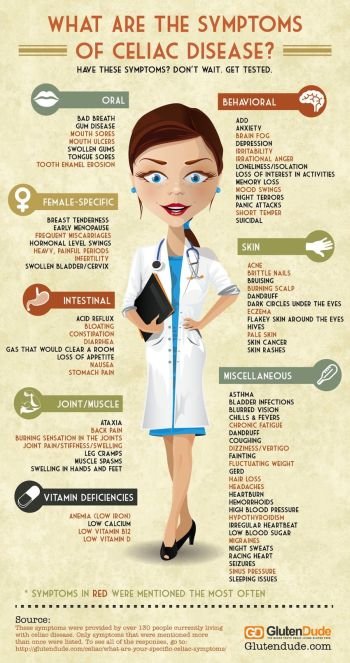
The classic celiac symptoms include reoccurring abdominal bloating, cramping, diarrhea, gas, fatty and foul smelling stools, weight loss, anemia, fatigue, bone or joint pain, and even a painful skin rash. Some people develop the symptoms of celiac disease in infancy or childhood. Others develop the disease later in life, after being misdiagnosed with irritable bowel syndrome or various food intolerances.
Diagnosing celiac disease is sometimes difficult because it resembles other very similar malabsorption diseases. Depending on the length of time between symptom development and diagnosis, the complications from celiac disease can be serious. They include increased incidence of osteoporosis from poor calcium absorption, diminished growth because of nutrient malabsorption, and even seizures due to inadequate folate absorption.
How Is Celiac Disease Treated?
The only treatment for celiac disease is a gluten-free diet. This should stop the symptoms from progressing, allow the intestines to heal, and prevent further damage. The symptoms often improve within a few days after beginning the gluten-free diet.
Within three to six months, the absorption area of the intestinal tract often returns to normal status, if the diet is faithfully followed. Depending on the age at diagnosis and the severity of the disease, there may be some permanent health problems such as delayed or stunted growth.
Adhering to a gluten-free diet, which means avoiding breads, pasta, and cereals, among other foods, can be challenging. However, there are many gluten-free foods to choose from, such as meat,milk, eggs, fruit, and vegetables. These foods are permissible in any quantity.
Rice, potatoes, corn, and beans are also acceptable because they do not contain gluten. Specially formulated gluten-free breads, pasta, and cereal products are also available in many supermarkets. The most problematic feature of the diet is avoiding the multiple foods that contain “latent,” or hidden, sources of gluten. Individuals with celiac disease need to read food labels.
Celiac disease is a manageable condition.
Individuals with celiac disease can live normal lives. They can learn about their condition by talking to health care professionals. Researchers are currently working to determine the exact component in gluten that causes celiac disease, and to develop enzymes that would destroy these immunotoxic peptides.