Isolation – A short documentary on Depression & Anxiety
WebMD – Anxiety & Panic Disorders Health Center
What do I need to know about the beta blockers?
Beta blockers work by blocking the beta receptor of the heart, which drives the heart rate. This mechanism also happens to lower blood pressure, which is the primary reason one might take this class of medicine in the first place. However, for the management of stage fright, public speaking, or performance anxiety (test-taking, for example), the blocking of this beta receptor can prevent the body from kicking into overdrive. This technique will make it less likely for the heart to beat fast, and thereby lessen the sweating, shortness of breath, and nausea that can go along with the immediacy of a panic attack. Regular usage of these medications could theoretically lead to depression, but at the lower frequency and dosages used for this situation, this side effect is uncommon.
If you have asthma, then you will want to use a selective beta blocker that will not trigger an asthmatic attack.
What do I need to know about the stimulants?
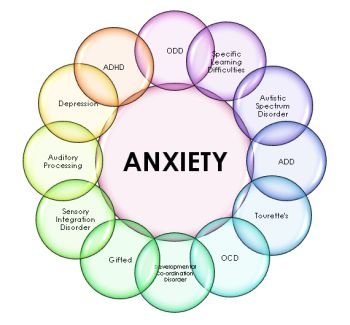
A stimulant’s ability to calm the anxiety of patients with attention deficit hyperactivity disorder (ADHD; with or without the hyperactivity part) presents one of the seeming ironies of modern psychopharmacology. A medicine that would give most of us more energy and help most of us concentrate somewhat better (but at the risk of making us overexcited, tremulous, nauseous, or headachy) can smooth the wrinkles out of the ADHD mind. Many patients will report that their world is distractible, agitated, and hypersensitive to stimuli which can lead them to lose control of their temper. The stimulants are a normal first place to start in the pharmacologic management of ADHD and often bring a type of organizing calm as a result. If you are concerned about ADHD, then you might start by consulting your doctor or reading Hallowell and Ratey’s Driven to Distraction.
What is the placebo effect?
For reasons that still boggle both the mind and researchers, the placebo effect is powerful. Perhaps due to the brain’s power of pattern recognition and expectancy in a given situation, in this culture we usually link going to a doctor, seeing the white coat, and taking a pill with getting better. Patients who take a sugar pill but expect to get better can actually get better because of the expectation and the cascade of brain chemistry it triggers. And if the notion of taking a pill can lead to actual effects, one wonders how else we might be able to access those effects. In psychiatry, in order to be approved a drug must display a statistically significant effect over the placebo rate of improvement, which is often as high as 40%. This pattern tends to mean at least two things. The first is that if a medication is, in fact, approved under these standards, the odds of its actually working for you are high. But it also means that 40% of patients in control groups get better by taking a sugar pill or enrolling in the trial or as a function of receiving the medical attention of the trial’s involvement.
The placebo effect can help you to harness all other aspects of your mind beyond medication as you seek to mobilize allies in your treatment of anxiety.
What do I need to know about herbal remedies?
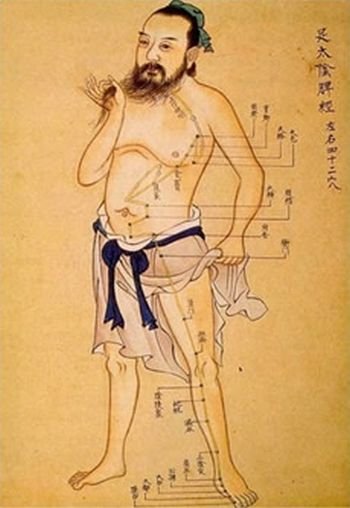
The pharmacologic agents discussed thus far have been from the Western medicine chest, meaning that they have been approved by the U.S. Food and Drug Administration. To have done so, they have passed through various stages of clinical trials and have been shown to be more effective than placebo. Most of the evidence for herbal remedies is anecdotal. Because these herbs do not show scientific effect in controlled trials does not mean that they might not help any given individual. However, it does mean that they could create side effects, either alone or in conjunction with other medicines that you might be taking. Herbal remedies are usually found at health stores or dispensed via traditional Chinese medical practitioners. One step that can definitely help you is to let whoever treats you know what medicines you take so that they might be able to troubleshoot against any known adverse effects.
As Eastern medicine becomes more welcome in the U.S., many mainstream academic medical centers have started alternative medicine centers, which can be resources for up-to-date herbal remedy information.
How will I know when it is OK to stop taking medicine or to stop my therapy?
The decision to stop medication and/or therapy usually occurs as a natural outgrowth of a healthy treatment relationship, and unless the patient decides to leave treatment for her own reasons, the two almost never happen at the same time. This principle follows basic cognitive reasoning. If the patient presents for treatment of symptoms of anxiety at point A, receives medication and relief at point B, and then wonders about how to proceed at point C, it makes sense—in the patient’s mind—that relief is associated with medication and point B. In order to have the same relief without being on the medicine, a further intervention must occur to prevent the patient from going back to point A. The utility of psychotherapy here takes on added meaning—in order to get off of medicine, a patient needs the structural tools provided by therapy!
Depending on the kind of therapy and the goals of any given patient, different algorithms might apply. Some might feel comfortable with a short course of CBT and a transition back to a life without symptoms via some better coping tools. Others might become curious about the origins of their anxieties and wish to use the opportunity of distress as a springboard to a more introspective psychodynamic therapy. As the written Chinese character for crisis is a composite of the characters for danger and opportunity, so, too, patients can make the best of their symptoms and learn maximally from them. Most studies tend to reinforce the notion that patients only taking medicine do less well than those with combined medication and psychotherapy treatments. These more exploratory treatments might go on for years as one clue leads to another and a patient may continue to benefit from using the treatment as a tool to understand further the patterns in her life that have, in their recreation in the therapy, generated the anxiety she lived with day in and out but now occurs less often.
What kind of medication reactions could be serious or lethal?
Concerning the medications used in the treatment of anxiety, there are several absolute red flags that any patient on those medications must know about. Please keep the following in mind:
1. Overdose. If taken in excess-either accidental or intentional-any medication can create serious problems. In particular, however, benzodiazepines, lithium, and tricyclic antidepressants can be lethal.
The benzodiazepines can create respiratory depression, particularly if combined with alcohol, and can lead to states of unconsciousness or death. Lithium toxicity can present as confusion, slurring of speech, a staggering gait, or kidney failure before leading to a frank comatose state. The tricyclic antidepressants can cause excess sedation and cardiac abnormalities. All of the above can be lethal in suicide attempts, and patients taking those medications should be carefully monitored if suicidality is in any way part of the picture.
2. Withdrawal. All medications can have serious side effects in withdrawal, including a return of the symptoms which have been under treatment, but some are more risky than others. Benzodiazepine withdrawal is one of the potential true psychiatric emergencies, if for nothing else than the patient’s lack of understanding of the seriousness of the physiologic dependency that takes place over time, particularly at higher doses of the medication.
Immediate signs of withdrawal (the first 24 hours) tend to include sweating, nausea, racing heart, shortness of breath, tremors, and profound discomfort. If no benzodiazepines are taken to replace the relative state of withdrawal, then the patient can progress to delirium tremens (just as with alcohol withdrawal). This condition presents with confusion and fluctuating vital signs, which could then cause a stroke, a heart attack, or a seizure with loss of consciousness. If you are taking benzodiazepines, you should be aware of all of the above and educate yourself with your doctor’s help.
3. Other. Unusual side effects can accompany any medication. Olanzapine has been linked with high blood sugar, which can trigger the symptoms of diabetes, including coma, if not treated appropriately. Too many stimulants can worsen someone who also has bipolar disorder or any other tendency to have distortions of thinking. Propranolol can trigger an asthmatic attack in those with a preexisting history of asthma.
Terms:
Stimulant – a class of amphetamine-based medications that is used to treat ADHD and can sometimes help with the treatment of depression.
ADHD Attention deficit/hyperactivity disorder – A psychiatric disorder that involves a spectrum of inattentive symptoms and/or hyperactive symptoms.