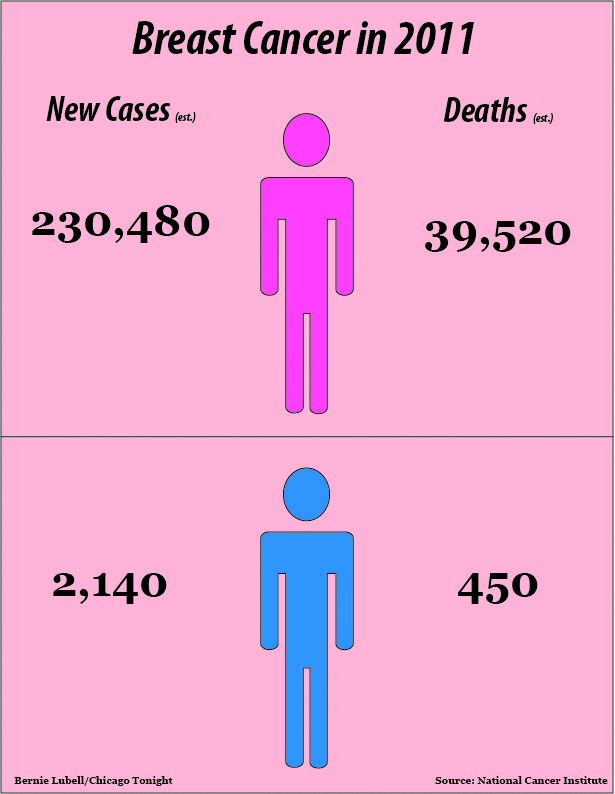
Breast Cancer in USA 2011
Ensuring You Are in Good Hands- Selecting the Oncology
Team to Take Care of You
How do I know I’m receiving the best and most appropriate care for my current situation?
How can I participate in the decision making about my treatment?
How do I select a medical oncologist who will be primarily responsible for my care and treatments?
How do I know I’m receiving the best and most appropriate care for my current situation?
It would seem to make perfect sense to be taken care of by the oncology team who originally treated you for breast cancer. Your clinical situation is now much more serious than perhaps it was at that time. There are some steps you may want to take to ensure that this is the most appropriate team to continue managing your care.
You can’t judge a breast center’s quality based on the facility’s advertisements. Sometimes it requires a lot of effort on your part (or someone else’s, on your behalf) to do the necessary due diligence to ensure that you are in good hands. There are efforts under way by organizations like the National Consortium of Breast Centers to more clearly define what a “breast center” is and how to measure quality of care for patients undergoing diagnosis and treatment of breast cancer. Presently there are no standards that define what is meant by these terms.
A breast center that is part of a National Cancer Institute (NCI)-designated cancer center is usually a wise choice. There are many services and programs that a patient should be seeking from a breast center when she is initially diagnosed and treated. For women dealing with metastatic breast cancer, there are some specific features that you want to be sure are available to you.
They include:
1. Patient empowerment. It’s important that you be given the knowledge you need to enable you to actively participate in the decisions about your care and treatment. Some physicians are reluctant to empower women in this way. Make sure this is understood as an expectation you have.
You can’t judge a breast center’s quality based on the facility’s advertisements.
2. Patient and family education. Not only do you need to be educated, so does your family. You need to know what to expect, when, how, and why. You need easy access to someone who will be able to support you and respond to your questions as you take this critical journey. It is important to receive written literature as well as verbal information.
3. Multidisciplinary case conferences. The key advantage to having a multidisciplinary team approach is the special expertise each health care professional offers to the patient’s unique situation. Centers that hold weekly breast cancer conferences can provide that. There may be times that your next steps for treatment decision making are unclear to both you and your doctor. Your doctor can present your case to the entire team in this setting and get input on your behalf.
4. Access to clinical trials. This may be one of the most important times that you want to ensure you have access to clinical trials that may offer additional benefits to controlling this disease. These clinical trials would include all phases of research study.
5. Medical oncologists. You want to ensure that the medical oncologist taking care of you specializes in breast cancer and has expertise in women with metastatic disease.
6. Radiation oncologists. There may be a need for radiation during your treatment so you went to ensure that the radiation oncologist specializes in breast cancer and has expertise in treating women with metastatic disease.
7. Pathologists. Though you have been diagnosed and have your prognostic factors about the tumor, there may be times in which additional biopsies are needed. For example, you may need biopsies of other organ sites. You want a facility that has pathologists who specialize in breast pathology because their accuracy is critical to planning your treatment.
8. Pathology services. Patients don’t always think about this particular service but it is a very important one. The pathologist who looks at your tissue specimen determines the prognostic factors, and the rest of the team uses that information to formulate a treatment plan. Accuracy and completeness are critical. Some say that the pathologist “holds all the cards” because her opinion about what are on your pathology slides is critical information. We don’t want to over treat or under treat a patient, but this happens every day because there are no clear standards regarding pathology interpretation. A breast center that has pathologists who specialize in breast pathology has an edge since they are likely to see higher volume than other pathologists. They have also made a commitment to specialize in breast disease. The pathology from other organ sites where the breast cancer may have spread will be compared to the original pathology found in the breast tumor itself. Sometimes it is discovered that the prognostic factors (like hormone receptors and HER2) have changed. This type of accuracy and preciseness is very important in planning the optimal treatment for your specific pathology situation.
9. Urgent care needs. When an urgent problem arises, such as spiking a fever, you need to have ready access to a health care professional who is easy to reach and who knows how to manage your medical needs promptly. Inquire about how this is handled.
10. Emotional support. Clearly, this is part of your treatment. Inquire what services are available for supporting you and your family. You’ll want to ask about psychological support, as well as financial needs in case issues arise and money is tight due to missing time from work.
Jill’s comments:
I originally had my breast cancer treatment 2 years ago at a local hospital. Things went fine. But now that I’m dealing with metastatic disease, I really want to be sure that I am in the best of hands to provide me the optimal treatment for longevity and quality of life. So I went to an NCI designated comprehensive cancer center. I’m being taken care of by an experienced team of doctors and nurses who deal with this kind of situation every day. That gives me great peace of mind.
Patients deserve to be empowered so that they can actively participate in decisions about their care and treatment.
Terms:
Clinical trials – Research studies in which patients are offered the opportunity to try new innovative therapies (under careful observation) in order to help doctors identify the best treatments with the fewest side effects. These studies help improve the overall standard of care.
Phases – A series of steps followed in clinical trials.