Eating Fiber to Prevent Diverticular Disease
What Illnesses Can Fiber Help Prevent?
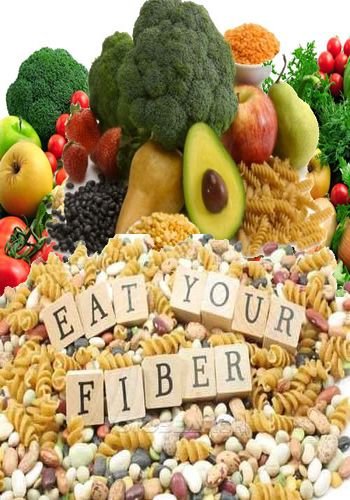
Why Is Fiber So Important?
Even though fiber is a nondigestible substance that is resistant to being broken down in your small intestine, it can have many powerful health effects in your body. Fiber has been shown to help lower your risk of developing constipation, diverticulosis, obesity, heart disease, cancer, and diabetes mellitus. Let’s look closely at how this works.
Fiber Helps Prevent Constipation and Diverticulosis
More than 4 million Americans complain about being constipated, with women, especially pregnant women and adults 65 years of age and older, experiencing it more often than others. The uncomfortable, bloated, and sluggish feelings of constipation compel Americans to spend more than $700 million each year on laxative products. Because a diet lacking sufficient high-fiber whole grains, fruits, and vegetables and abounding in cheese, eggs, and meats is a recipe for constipation, many people would be better off spending time in the produce and whole-grain aisles of the supermarket rather than shopping for laxatives.
A diet plentiful in insoluble fibers such as bran, whole grains, and many fruits and vegetables will help keep things moving along in your digestive tract and decrease your likelihood of becoming constipated. As remnants of food move through your colon, water is absorbed, which causes the formation of solid waste products (stool). The contractions of the muscles in your colon push the stool toward your rectum to be eliminated. If these muscle contractions are sluggish, the stool may linger too long in your colon, which can cause too much water to be reabsorbed. This can create hard, dry stools that are more difficult and painful to expel. (Note: Some soluble fibers, such as psyllium, can also be an aid in relieving constipation, as its water attracting capability allows the stool to increase in bulk and form a gel-like, soft texture, which makes it easier to pass.)
Constipation can become more frequent during different stages of your life. During pregnancy, hormonal changes as well as the pressure of the growing baby on the intestine can make regular bowel movements more difficult. As you age, your metabolism slows, which results in a slower-moving digestive tract as well as loss of intestinal muscle tone. Unfortunately, abusing laxatives can damage the nerve cells in the colon and disrupt the colon’s natural movements. This can cause you to depend on laxatives in order to bring on a normal bowel movement.
Long-term constipation can lead to a disorder called diverticulosis (osis = condition). Constipation is the main cause of increased pressure in the colon and may cause the weak spots along your colon wall to bulge out, forming diverticula. Infection of the diverticula, a condition known as diverticulitis (itis = inflammation), can lead to stomach pain, fever, nausea, vomiting, cramping, and chills.
Though not proven, it is believed that the stool and its bacteria in the colon may get stuck in the diverticula and cause the infection in approximately 50 percent of Americans over age 60. The disorder is more common in developed countries, such as the
Fiber Helps Prevent Obesity
A fiber-rich diet can also be kind to your waistline. As mentioned earlier, high-fiber foods, such as whole grains, fruits, and vegetables, can add to satiation so that you need to eat fewer calories to feel full. Research studies have shown that obese men and women tend to consume lower amounts of dietary fiber daily than their leaner counterparts. This lends credence to the concept that fiber plays a role in weight management. Whereas some weight-loss diets restrict carbohydrates, these plans would work better if they increased high-fiber carbohydrates.
Fiber Helps Prevent Heart Disease, Diabetes, and Cancer
Viscous, soluble fibers have been shown to help lower elevated blood cholesterol levels. A high blood cholesterol level can increase the risk of heart disease. It is believed that viscous fiber interferes with the reabsorption of bile acids in the intestines. Bile acids are high in cholesterol and are released into your intestine by your gallbladder to help with the digestion of fat. The bile acids are likely “grabbed” by the fiber before they can be reabsorbed by the body. They then end up being excreted along with the fiber in your waste products. Your body replaces these lost bile acids by removing cholesterol from the blood to generate new bile acids in the liver. Blood cholesterol levels are lowered as a result.
Slow-moving, viscous, soluble fibers may reduce the rate at which fat and carbohydrates are absorbed from your meals. Delayed absorption can lower the surge of fat in your blood after a meal, and may help improve sensitivity to the hormone insulin. Both high levels of fat in the blood and a decreased sensitivity to insulin are considered risk factors for heart disease.
Viscous, soluble fiber may not be the only type of fiber that can promote heart health. Several research studies have shown that cereal and grains, which contain insoluble fiber, may help to lower the risk of heart disease. A study looking at the dietary habits of over 65,000 women for a period of 10 years found that the risk of developing heart disease was more than 30 percent lower in those consuming the highest amount of cereal fiber.
Viscous, soluble fibers have also been shown to help individuals with diabetes mellitus. They slow the release of food from your stomach, and thus slow down the digestion and absorption of glucose. This could help avoid a large spike in blood glucose after eating and help those with diabetes improve the long-term control of their blood glucose level. Fiber may also play a role in preventing diabetes. Research studies involving both men and women have shown that a higher consumption of fiber from cereals helped reduce the risk of a certain type of diabetes.
Fiber is thought to have many positive and protective effects in the fight against certain cancers. Fiber from cereals has been shown to help lower the risk of breast cancer. Research also suggests that as fiber consumption increases, the incidence of colorectal cancer is reduced.
Four mechanisms may account for fiber’s role in fighting cancer:
- Fiber increases the bulk of stool, which can dilute cancer-promoting substances in the colon.
- Fiber helps keep things moving through the digestive tract so that potential cancer-promoting substances spend less time in contact with the intestinal lining.
- Fiber encourages the growth of friendly bacteria in the colon and their fermentation by-products, both of which may have cancer-fighting potential.
- Fiber binds with acids in bile, a substance produced by the liver and important in fat breakdown.
This causes the acids to be expelled from the body in the stool, rather than being reabsorbed. Because an increased amount of bile acids in the colon is thought to be associated with colon and rectal cancer, fiber’s ability to reduce the concentration of these acids is viewed as a cancer deterrent.
Over the years, some studies have challenged fiber’s protective role against colorectal cancer. Several short-term research studies failed to show an anticancer effect of fiber. These findings may have been due to several factors. The amount of fiber consumed in the studies may not have been large enough to make a difference; the studies may have been too short in length to show an effect; and the fiber that was used in these studies wasn’t from a variety of sources.
Current research supports the cancer-fighting potential of fiber. A large research study involving over 500,000 individuals recruited from 10 European countries showed that individuals who consumed the most fiber (
Because this large study was done with high-fiber foods and not fiber supplements, it is difficult to tease out if the potential cancer-fighting substance in these foods is only the fiber, or the other nutrients and phytochemicals in these plant-based foods operating in concert with the fiber. Once again, the best advice is to eat a varied, balanced, plant-based diet rich in whole grains, fruits, vegetables, and legumes.
Too Much Fiber Can Cause Health Problems
A word of caution: Initially, a high-fiber diet can have negative side effects (flatulence and bloating). Consuming too much fiber can reduce the absorption of some vitamins and minerals and may cause diarrhea in some individuals. Gradually increasing the fiber in your diet, rather than suddenly adding large amounts, will allow your body to adjust to the increased amount of fiber and minimize the side effects. A small, steady increase of fiber will be easier on your colon and on those around you. As you add more fiber to your diet, you should also drink more fluids.
Message
Fiber is a nondigestible substance that can help reduce the risk of constipation, diverticulosis, heart disease, obesity, diabetes mellitus, and certain cancers. Increasing fiber intake too quickly can cause diarrhea, constipation, and gassiness, so consumption should be increased gradually and be accompanied by plenty of fluids.
Terms:
Diverticulosis – The existence of diverticula in the lining of your intestine diverticula Small bulges at weak spots in the colon wall.
Diverticulitis – Infection of the diverticula.
Whole fruits and vegetables, whole grains, and legumes are the best food sources of fiber.
Dark bread is not necessarily whole-grain bread. Bread made with refined wheat flour can have caramel coloring added to give it a darker brown appearance.