Should we be eating more fish?
11 Evidence-Based Health Benefits of Eating Fish
What Can You Do to Maintain Healthy Blood Cholesterol Levels?
Numerous research studies have shown that reducing the amount of LDL cholesterol in your blood will reduce your risk for heart disease. Starting at age 20, you should have your blood tested at least once every five years to obtain your “lipoprotein profile.”
This profile shows the total cholesterol, LDL cholesterol, and HDL cholesterol levels in your blood. Table 5.6 provides the recommended goals for total cholesterol, LDL cholesterol, and HDL cholesterol. The good news is that there are several diet and lifestyle changes you can make to help lower your LDL cholesterol level.
Minimize Saturated Fats, Trans Fats, and Cholesterol in Your Diet
In general, saturated fats raise your LDL cholesterol level, while unsaturated fats, when they replace saturated fats in your diet, will have a cholesterol-lowering effect. (Note that saturated fats in your diet will raise your blood cholesterol level more than cholesterol in your diet will.) Typically, the higher your consumption of saturated fats, the higher the LDL cholesterol levels in your blood. Americans consume about five times more saturated fat than trans fat. A food that is low in trans fats can still be heart unhealthy if it is high in saturated fat. For example, years ago, some consumers switched from using stick margarine, which is high in trans fat, to butter, thinking that butter was better for their blood cholesterol. Butter has less trans fat than stick margarine, if you combine both the saturated fat and trans fat in each spread, margarine would still be better for your blood cholesterol. Decreasing the trans fats in your diet at the expense of increasing the saturated fat won’t be healthy for your heart. When it comes to lowering your LDL cholesterol level, you need to limit both types of fats in your diet. For your heart’s sake, cholesterol-raising saturated and trans fat combined should contribute no more than 7 to 10 percent of your daily calories.
Dietary cholesterol raises your LDL cholesterol level, although saturated fats and trans fats will raise it more. The less cholesterol in your diet, the better for your heart. Dietary cholesterol is found in foods from animal sources, with egg yolks being a significant contributor in the diet. Limiting the amount of these foods and choosing low-fat dairy products will cut down fat and trim dietary cholesterol. The cholesterol in an egg is contained entirely in the yolk-the egg white is cholesterol free. Because egg yolks tend to be a significant source of cholesterol in Americans’ diets, the National Institutes of Health (NIH) recommends consuming no more than four egg yolks per week to help prevent heart disease. However, research now suggests that consuming up to an egg daily may not be associated with an increased risk of heart disease. Given that eggs are also a source of many healthy nutrients, such as protein and vitamin B12, some health professionals have suggested lifting the weekly cap on egg yolks for healthy individuals and focusing on keeping dietary cholesterol to no more than 300 milligrams daily, regardless of the source. Hence, egg yolks can be eaten more often if other sources of dietary cholesterol are low. (However, if you eat an egg a day, you don’t have a lot a leeway in your diet.) Some shellfish, such as shrimp, are also high in cholesterol; however, these are very low in saturated fat and contain some heart-healthy omega-3 fatty acids. Lobster has less than one-third the amount of cholesterol of shrimp and is also very low in total fat. Unfortunately, the high price of shrimp and lobster limits their consumption for many people.
Because cholesterol is not found in foods from plant sources, you won’t find it in vegetables, fruits, pasta, nuts, peanut butter, or vegetable oils. The best way to minimize dietary cholesterol intake is to keep your portions of lean meat, skinless poultry, and fish to about 6 ounces daily; use only low-fat or nonfat dairy foods; use vegetable oils more often than butter; keep the consumption of baked goods to a minimum; and fill up on cholesterol-free fruits, vegetables, and whole grains.
Eat More Fish
More than a decade ago, researchers suggested that the Greenland Eskimos’ regular consumption of fatty fish (approximately 14 ounces a day), which is rich in EPA and DHA, played a key role in their low incidences of death from heart disease.40 Ongoing research continues to support the protective roles EPA and DHA may play in reducing the risk of heart disease and stroke. These omega-3 fatty acids may prevent irregular heartbeats, reduce atherosclerosis, mildly lower blood pressure, decrease the clustering or clumping of platelets, lower the level of fat in the blood, and modestly increase the amount of good HDL cholesterol in the blood, to name a few protective actions.41 In fact, research studies have shown that eating a little over an ounce or more of fish daily may help to reduce your risk of dying from heart disease, and that consuming even one fish meal per week may help reduce your risk of heart attack.42
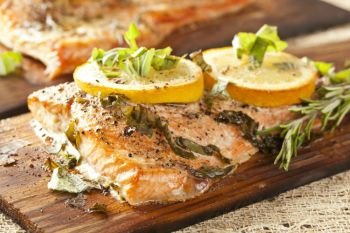
The American Heart Association (AHA) recommends that you consume at least two servings of fish (especially fatty fish such as salmon, sardines, or herring) per week, which is approximately 0.5 gram daily, to obtain these omega-3 fatty acids. However, don’t try to meet this quota at the fast-food drive-through. Fried fish that is commercially prepared tends to have few of these fatty acids and is often fried in unhealthy fat. Note some cautions regarding fish consumption in the boxed feature “Mercury and Fish.”
Though consuming some omega-3 fatty acids is good, more may not be better. Because EPA and DHA interfere with blood clotting, consuming more than 3 grams, which typically only happens by taking supplements, could raise both blood glucose and LDL cholesterol levels, increase the risk of excessive bleeding, and cause other related problems such as hemorrhagic stroke (hemo = blood, rhagic = ruptured flow) in certain people. Because of these potential adverse side effects, omega-3 fatty acid supplements (fish oil supplements) should only be consumed with the advice and guidance of a doctor. (Consuming large amounts of fish oil supplements can also leave a less-than-appealing fishy aftertaste in your mouth.) However, eating approximately one gram of EPA and DHA daily from fish may provide some protection against heart disease without any known adverse effects.
Americans are currently consuming only about 0.1 to 0.2 grams (as compared with the 0.5 grams recommended) of EPA and DHA daily.
Tips provide a few quick ways to add fish to your diet. Think of fish as food for your heart.
Eat More Plant Foods
In addition to fish, the AHA also recommends that you consume plant-based foods such as walnuts and flaxseeds, as well as soybean and canola oils, which are all high in alpha-linolenic acid. As mentioned, some alpha-linolenic acid is converted in the body to these heart-healthy omega-3 fatty acids. Eating more plant foods high in viscous, soluble fiber may be one of the easiest ways to decrease your LDL cholesterol level. In reviewing more than 65 studies, researchers found that each gram of viscous, soluble fiber consumed, in the range of 2 to 10 grams daily, from oatmeal, oat bran, legumes such as dried beans, psyllium, and/or pectin, lowered LDL cholesterol levels by more than 2.0 mg/dl on average.48 Although the DRI for fiber ranges from consuming 20 to 38 grams daily, consuming about half of this amount, or 10 to 25 grams of viscous, soluble fiber, can help decrease high LDL cholesterol levels.49 Increasing the soy in your diet may also help reduce the risk of heart disease.
Although all plant foods are cholesterol free, they do contain phytosterols, which are plant sterols similar to cholesterol that are found in the plant’s cell membranes. Plant sterols can help lower LDL cholesterol levels by competing with cholesterol for absorption in the intestinal tract.50With less cholesterol being absorbed, there will be less in the blood. Plant sterols occur naturally in soybean oil, many fruits, vegetables, legumes, sesame seeds, nuts, cereals, and other plant foods.
In a study of more than 150 individuals with mildly high cholesterol levels, a margarine containing a plant sterol was shown to reduce LDL cholesterol levels by approximately 14 percent after one year of use. Products such as margarines, cream cheese, cereals, and soft-gel tablets that contain plant sterols are now available.
Grind whole flaxseeds before eating them to best reap their nutritional benefits. Whole flaxseeds can pass through your gastrointestinal tract intact, keeping their essential fatty acids and vitamin E enclosed in the shell. Spreads and soft-gel tablets containing plant sterols and stanols can be used as part of a heart-healthy diet to lower LDL cholesterol
Load Up on Foods Rich in Antioxidants and Phytochemicals
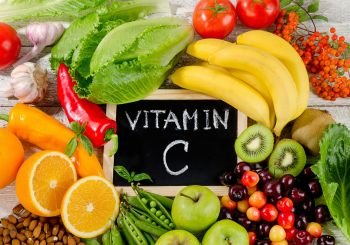
You might think that a substance that starts with the prefix “anti” couldn’t be good for you. However, the antioxidants vitamins C and E and beta-carotene appear to be “pro” heart health. Antioxidants may help LDL cholesterol become more resistant to oxidants. Antioxidants appear to protect LDL cholesterol from being oxidized by inhibiting the formation of oxidants, intercepting them once they are created, or helping to repair any injury to cells due to these substances. However, when there are more oxidants than antioxidant defense mechanisms occurring in the body, an imbalance occurs.
This can cause adverse effects, such as heart disease.
Antioxidant-rich plant foods such as fruits and vegetables contain many other vitamins and minerals, which are not only healthy for your heart in their own right, but may also, work with antioxidants. These foods are naturally low in saturated fat and trans fat and are cholesterol free, so they can displace heart-unhealthy foods in your diet. Plant foods are also full of fiber, particularly soluble fiber. For all of these reasons, your heart will benefit if you eat plant foods high in antioxidants at each meal. Nuts are one type of food that is rich in antioxidants and fiber, and they can have a positive effect on LDL cholesterol levels for other reasons. Research involving healthy men showed that a diet with 20 percent of the calories coming from walnuts lowered LDL cholesterol by a little over 15 percent. A study of more than 80,000 women showed that those who ate nuts frequently-an ounce of nuts at least five times a week-had an approximately 35 percent reduction in the risk of heart disease compared with women who hardly ever ate nuts. The FDA now allows the food label on certain nuts and nut products to claim that the product potentially helps fight heart disease.
The only downside to nuts is that they’re high in calories. A mere ounce of nuts (about 24 almonds or 28 peanuts) can contribute a hefty 160 to 200 calories to your diet. Routinely sitting down with a jar of peanuts while studying can quickly have you over consuming calories. The Table Tips later provide ideas on how to enjoy a modest amount of nuts in your diet.
There are other substances that may provide an extra boost to your heart health.
Garlic may not be perfume to your breath; it may be slightly protective for your heart. Although not definite, garlic has been found in some studies to reduce high blood cholesterol levels by inhibiting cholesterol synthesis in the body, decreasing the clustering of platelets, interfering with blood clotting, and helping to lower blood pressure. Sulfur-containing compounds, specifically allicin, that are abundant in garlic are believed to be the protective factor.56 However, a more recent review of clinical studies questions whether adding garlic as part of a low-fat, low-cholesterol diet has a substantial cholesterol-lowering benefit. Until more is known about garlic, your best bet is to enjoy it as part of your heart-healthy meals.
Tea may also reduce your risk of heart disease. Black and green tea are high in flavonoids, phytochemicals similar to antioxidants that are believed to prevent LDL cholesterol from becoming oxidized in the body. In a study of more than 800 elderly men, those who consumed the most flavonoids, predominantly from tea, cut their risk of dying from heart disease by about half compared with those who had low flavonoid consumption.Drinking tea may be beneficial even if a person has had a heart attack. In a study of 1,900 heart attack victims, researchers found that those who consumed large amounts of tea (> 14 cups weekly) had a 44 percent lower risk of dying from a heart attack during the 31⁄2-year follow-up period compared with those who didn’t consume any tea. Even those who drank moderate amounts of tea (< 2 cups weekly) fared better than the tea abstainers, reducing their risk by 28 percent.
Get Plenty of Exercise and Manage Your Weight
Routine exercise can help reduce LDL cholesterol levels, high blood pressure, insulin resistance, and excess weight, and improve HDL cholesterol levels. A review of more than 50 studies involving more than 4,500 people found that exercise training for more than 12 weeks increased HDL cholesterol levels by about 4.5 percent. Currently, the AHA recommends that healthy individuals 18 to 65 years old partake in 30minutes or more of moderate-intensity exercise, such as brisk walking, at least five days a week. This amount of physical activity is considered sufficient to help reduce the risk of heart disease, but exercising longer than 30minutes or at higher intensity could offer greater protection, especially when it comes to maintaining a healthy body weight.
Regular physical activity can also help accelerate weight loss. Losing excess weight can help not only to lower LDL cholesterol levels, high blood pressure, and the risk of developing type 2 diabetes, but also to raise HDL cholesterol levels. Hence, sedentary individuals should “move” and sedentary, overweight individuals should “move and lose” to lower their risk of heart disease.
A Word About the Protective Effects of Red Wine
Drinking alcohol in moderate amounts can reduce the risk of heart disease. Alcohol can increase the level of the heart-protective HDL cholesterol. In fact, approximately 50 percent of alcohol’s heart-protective effect is probably due to this positive effect on HDL cholesterol. Studies have also suggested that alcohol may decrease blood clotting by affecting the coagulation of platelets or by helping the blood to break up clots.
Other studies have suggested that the antioxidants in wine as well as dark beer also contribute to the heart-protective aspects of alcohol. However, these heart-health benefits of alcohol consumption are reaped mainly by middle-aged and older adults. Though some alcohol may be good, more is definitely not better. Individuals who consume three or more drinks per day increase their risk of dying prematurely.
The Whole Is Greater Than the Sum of Its Parts
When it comes to reducing the risk of heart disease, the whole diet may be greater than the sum of its parts. A study of more than 45 adults with elevated total and LDL cholesterol levels illustrated that a diet “portfolio” consisting of a diet low in saturated fat and cholesterol that was also high in soluble fiber, soy protein, plant sterols, and nuts lowered LDL cholesterol levels by almost 30 percent. This impressive reduction was similar to that observed in the group that was given a cholesterol-lowering drug but was limiting only the saturated fat and cholesterol in their diet. The latter group’s diet did not include the other items in the portfolio diet. Hence, a dietary portfolio approach to eating may be a viable way for individuals to lower high cholesterol levels and avoid taking medication that could have potential side effects. The Table Tips later provide eating tips for a heart-healthy diet.
Message:
Limiting saturated fat, cholesterol, and trans fat, and increasing fish consumption, as well as consumption of antioxidant-rich fruits, vegetables, whole grains, and nuts, are associated with a reduction in the risk of heart disease. Regular exercise and weight loss can also help lower LDL cholesterol levels and raise HDL cholesterol levels. Drinking a moderate amount of alcohol may help reduce the risk of heart disease. Some individuals should avoid alcoholic beverages.
Eggs are an excellent source of protein, but egg yolks are high in cholesterol.
Table Tips
Easy Ways to Add Fish to Your Diet
Flake canned salmon over your lunch or dinner salad.
Add tuna to cooked pasta and vegetables and toss with a light salad dressing for a quick pasta salad meal.
Order baked, broiled, or grilled fish when dining out.
Try a shrimp cocktail on your next restaurant visit.
Food Sources of Omega-3 Fatty Acids
Several types of fish, particularly fatty fish, are high in the heart-healthy omega-3 fatty acids While fish oil supplements contain omega-3 fatty acids, excessive amounts can be unhealthy for some individuals.
Table Tips
Nuts About Nuts?
Have some mixed nuts as an afternoon snack. Though high in calories, they are an excellent source of antioxidants and fiber, have zero cholesterol, and are low in saturated fat.
Toss some nuts into your mealtime salad.
Use less oil or salad dressing and more nonfat vinegar to adjust for the added calories.
Swap nuts for meat, like chicken or beef, in dishes such as stir-fries. A third of a cup of nuts is equal to an ounce of red meat or chicken.
Add a tablespoon of nuts to your morning cereal, and use skim rather than reduced fat milk to offset some of the extra calories.
Add a tablespoon of chopped nuts to your afternoon yogurt.
Add a handful of peanuts to your air popped popcorn the next time you need a snack.
Table Tips
Eating for a Healthy Heart
Choose only lean meats (round, sirloin, and tenderloin cuts) and skinless poultry and keep your portions of meat to about 6 ounces daily. Eat fish at least twice a week.
Use two egg whites in place of one whole egg when baking.
Use reduced-fat or nonfat dairy products, such as low-fat or skim milk, reduced-fat cheese, and low-fat or nonfat ice cream.
Sprinkle cheese on top of your food rather than mix it in so you use less. Be sure to keep ice cream servings small. Substitute cooked beans for half the meat in chili, soups, and casseroles.
Use canola, olive, soybean, or corn oil, and trans fat–free margarine instead of butter or shortening.
Term:
Phytosterols – Naturally occurring sterols found in plants. Phytosterols lower LDL cholesterol levels by competing with cholesterol for absorption in the intestinal tract
Flavonoids – Phytochemicals found in fruits, vegetables, tea, nuts, and seeds.