Is Soy Bad For You, or Good? The Shocking Truth
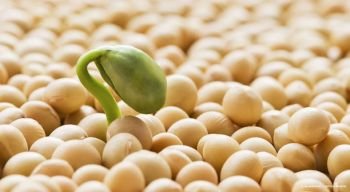
The Joy of Soy
Soy has been used as a dietary staple for centuries in Asia. Soy consumption in the United States, in foods ranging from soy milk to soy bars, has been increasing since the early1990s. From 1992 to 2008, the market for soy products has grown from $300 million to $4 billion. According to a survey conducted by the United Soybean Board, 84 percent of U.S. consumers perceive soy foods as being healthy and one-third of consumers intentionally seek out soy products on a regular basis.
The popularity of soy foods is increasing among many age groups and ethnic groups, including baby boomers, who are more interested in good health and longevity than their parents’ generation was; Asian populations in the United States looking for traditional soy-based foods; and young adults with an increasing interest in vegetarian diets.
Soy is a high-quality protein source that is low in saturated fat and that contains isoflavones, which are naturally occurring phytoestrogens (phyto = plant).
These plant estrogens have a chemical structure similar to human estrogen. While they are considered weak estrogens (they have less than a thousandth of the potential activity of estrogen), they may interfere with or mimic some of estrogen’s activities in certain cells in the body. Although isoflavones can also be found in other plant foods, such as grains, vegetables, and legumes, soybeans contain the largest amount found in food.
Soy and Your Health
Epidemiological studies, which look at health and disease in populations, have suggested that isoflavones may reduce the risk of chronic diseases, including heart disease and certain cancers. Some other studies suggest that isoflavones may help relieve menopausal symptoms. At the same time, because isoflavones act as weak estrogens in the body, some concern exists that they may be harmful for diseases such as breast cancer.
Eating soy protein as part of a heart healthy diet may reduce the risk of heart disease by lowering cholesterol levels. A review of more than 35 research studies showed that soy protein lowered the “bad” LDL cholesterol by about 10 percent. However, recent findings suggest that the lowering effect may be a more modest 3 percent.
Interest in soy as a cancer fighter was sparked after researchers observed that Asian countries had lower rates of breast cancer than Western countries, including the United States. Numerous studies suggest that the isoflavones in soy may help reduce the risk of cancer, as these weak estrogens may have anticancer functions in the body. One of the functions of isoflavones is that they compete with the hormone estrogen for its binding site on specific cells. The isoflavone latches onto the cell and blocks the binding of the hormone. Because estrogen may increase the risk of breast cancer, inhibiting or blocking the actions of estrogen may help reduce the risk.
Timing may be an important part in the preventive role that soy plays in breast cancer. A study of Chinese women found that those who ate the most soy during their adolescent years had a reduced risk of breast cancer in adulthood. The early exposure to soy foods may be protective by stimulating the growth of cells in the breast, enhancing the rate at which the glands mature, and altering the tissues in a beneficial way. The anticancer role of isoflavones may also be a detriment. There is some concern that once the isoflavones are bound to the estrogen receptors, they can initiate the production of cancer cells, which can raise the risk of breast cancer. A review of more than 200 research studies supports the safety of soy isoflavones when consumed as soy and soy products. However, this issue of potentially increasing the risk of breast cancer, especially for those who are at high risk of developing it or who presently have breast cancer, isn’t resolved as yet. According to the American Cancer Society, women with breast cancer should consume a healthy, plant-based diet with only moderate amounts of soy foods and should avoid soy-containing pills, powders, and supplements with high levels of isoflavones.
Soy can be an inexpensive, heart healthy protein source that may also help modestly lower your blood cholesterol. While soy may help lower the risk of certain cancers, it is currently unclear if it is beneficial or harmful for individuals at high risk of developing breast cancer.
Tofu
Cooked, puréed soybeans that are processed into a silken, soft, or firm texture; has a neutral flavor, which allows it to blend well
Use the silken version in dips, soups, and cream pies. Use the firm variety in stir-fries or on salads, or marinate it and then bake or grill it.
Edamame
Tender young soybeans; can be purchased fresh, frozen, or canned
Use in salads, grain dishes, stir-fries, and casseroles.
Soy Flour
Made from ground, roasted soybeans
Use it in baked goods such as pancakes, muffins, and cookies.
It can also substitute for eggs in baked goods:
Use 1 tbs soy flour combined with 1 tbs of water for each whole egg.
Soy Milk
A soy beverage made from a mixture of ground soybeans and water
Use it in place of cow’s milk. Combine soy milk with ice and fruit in a blender for a soy shake.
Tempeh
Made from cooked whole soybeans that are condensed into a solid block
Can be seasoned and used as a meat substitute.
Miso
A flavorful paste of fermented soybeans used to season foods
Use in soups, stews, and sauces.
Soy Meat Analogs
Products such as hot dogs, sausages, burgers, cold cuts, yogurts, and cheese that are made using soy
Use as a meat substitute at meals and snacks.
Textured Soy Protein
Created from defatted soy flour that has been compressed and dehydrated
Use it as a meat substitute in foods such as meatballs, meatloaf, chili, tacos, and spaghetti sauce.