VIDEO
Continuous Glucose Monitoring – Taking Control of Your Diabetes
Monitoring and control
The key to a successful life with diabetes is achieving good blood glucose control. Your degree of success can be judged only by measurements of your body’s response to treatment as, unfortunately, if you have diabetes, the fact that you feel well does not mean that you are well controlled.
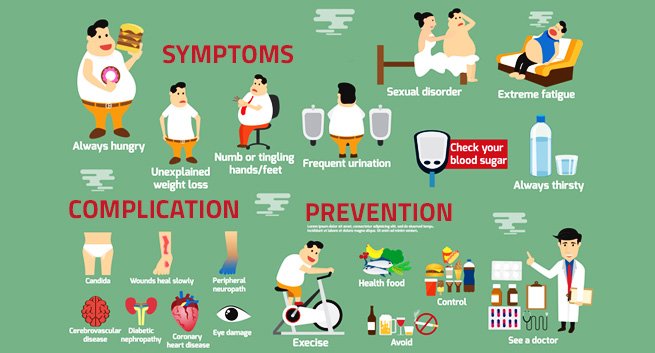
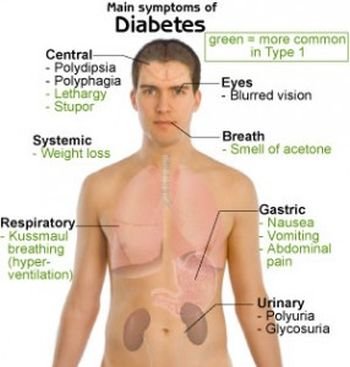
It is only when control goes badly wrong that you may be aware that something is amiss. If your blood glucose is too low, you may be aware of hypo symptoms – if left untreated this may progress to unconsciousness (hypoglycaemic coma). At the other end of the spectrum, when the blood glucose concentration rises very steeply, you may be aware of increased thirst and urination – left untreated, this may progress to nausea, vomiting, weakness, and eventual clouding of consciousness and coma. It has long been apparent that relying on how you feel is too imprecise, even though some people may be able to ‘feel’ subtle changes in their control. For this reason, many different tests have been developed to allow precise measurement of control and, as the years go by; these tests get better and better.
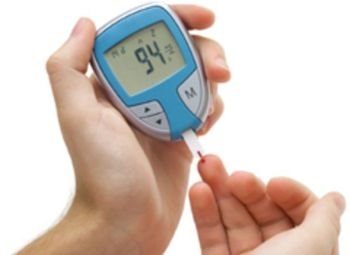
The involvement of the person with diabetes in monitoring and control of their own condition has always been essential for successful treatment. With the development of blood glucose monitoring, this has become even more apparent: it allows you to measure precisely how effective you are at balancing the conflicting forces of diet, exercise, and insulin, and to make adjustments in order to maintain this balance. In the early days after the discovery of insulin, urine tests were the only tests available and it
A small laboratory even to do these. Urine tests have always had the disadvantage in that they are only an indirect indicator of what you really need to know, which is the level of glucose in the blood. Blood glucose monitoring first became available to people with diabetes in 1977 and since then has become widely accepted. As anyone who has monitored glucose levels in the blood will know, these vary considerably throughout the day as well as from day to day. For this reason, a single reading at a twice yearly visit to the local diabetes clinic is of limited value in assessing long-term success or failure with control.
Introduction of haemoglobin A 1c (glycosylated haemoglobin or HbA 1c ) and fructosamine measurements has given a very reliable test for longer term monitoring of average blood glucose levels (taking into account the peaks and troughs) over an interval of 2 to 3 weeks in the case of fructosamine, and of 2 to 3 months for HbA 1c . Attaining a normal HbA 1c level indicates that the blood glucose concentration has been contained within the normal range, and also that (provided that there are no unacceptable attacks of hypoglycaemia) balance is excellent and no further changes are required. It can be seen that attaining a normal HbA 1c level and maintaining it as near normal as possible is an important goal. Not everyone can achieve this, but it is The most effective way of eliminating the risk of long-term complications, as has been proven for Type 1 diabetes in the Diabetes Control and Complications Trial (DCCT) in the USA. In this painstaking study over 1400 people with Type 1 diabetes were divided into two groups, depending on how closely they controlled their blood glucose, and then followed up for an average of 7 years. group with good control, with an average HbA 1c of 7.2% benefited from a 60% reduction in disease of the eyes, kidneys and nerves compared with the group with worse control. To achieve this degree of control, the people in this group had four daily injections or received insulin via a constant infusion pump. They also had considerable support from a team of diabetes specialists, including nurse educators, dietitians, psychologists and doctors.
Why monitor?
I developed diabetes at the age of 56 and am struggling to control my sugars with tablets. However, I feel perfectly well and wonder why my doctor is so keen for me to have good control.
We described the DCCT – a large American study, which proved the importance of good control in Type 1 diabetes. Until 1998, there was some doubt about the need for tight control of blood glucose in Type 2 diabetes, which is the most common sort of diabetes developing later in life. The results of a large British research project – the United Kingdom Prospective Diabetes Study (UKPDS) – were then published, and provided that clear evidence that the risk of complications in Type 2 diabetes was higher in those people with higher levels of blood glucose and thus of HbA 1c . The 5000 people with diabetes in the study were randomly divided into two groups, one with tight control and the other with higher blood sugars. The group with tighter control had 25% less eye disease and 16% less risk of a heart attack.
Monitoring and controlThe UKPDS also proved that, in people with Type 2 diabetes, it is important to keep very strict control of blood pressure. The study also showed that, in most cases, Type 2 diabetes gets steadily worse year on year, which explains why many people end up needing insulin after a few years, even though they are well controlled on tablets at the beginning.
Monitoring other aspects of health is also an important part of long-term diabetes care. Regular checks on eyes, blood pressure, feet and cholesterol are a good way of picking up conditions that require treatment at a stage before they have done any serious damage. The control of your diabetes is important as is the detection and treatment of any complications, so make sure you are getting the medical care and education that you need to stay healthy.
I am an 18-year-old on insulin. When my glucose is high I do not feel any ill effects. Is it really necessary for me to maintain strict control?
It is quite true that some people do not develop the typical thirst or dry mouth, frequency of passing water (urination), or tiredness, which usually occur if the blood glucose is high and diabetes out of control. It sounds as if you are one of these people, which makes it much more difficult for you to sense when your control is poor and take steps to improve it. Yet even without these symptoms, control of your blood glucose is still important. The development of complications after many years is much less likely (and may possibly be eliminated) if you can maintain blood glucose concentrations within the normal range. We know that it is difficult at 18 to be concerned about things that might only happen a long time ahead in your future, but good control really is worth it in the long run.
My 17-year-old daughter has had diabetes for 6 years. She is finding it very difficult to keep her diabetes under control at present and doesn’t seem to care if her sugars run high most of the time. Do you think she is doing herself any real damage?
Is now hard proof that good control of blood glucose reduces the risk of developing the complications of diabetes. In September 1993 the findings of the Diabetes Control and Complications Trial (known as the DCCT) were published and showed that good control did reduce complications. This improvement in control was accompanied by a 3-fold increase in the risk of hypos, and occasionally these hypos required help from someone else to bring the person round.
Thus your daughter is faced with a difficult decision. If she carries on with poor control, she increases her chance of developing long-term problems from her diabetes. If, on the other hand, she decides to try and improve her blood glucose levels, she may have more hypos. In practice, it is worth spending time with your daughter discussing the problem with sensitivity rather than facing her with a stark choice. She needs to be given time to make up her own mind, but remember that occasional hypos do not do any lasting harm so long as they are not frequent or severe. Most people with good control of their diabetes accept that they may have hypos.
Whenever I go to the clinic I always feel guilty for not doing enough blood tests. In fact I sometimes feel like writing in some make-believe tests into my testing book just to keep the doctors happy. Writing make-believe tests in your book won’t keep your doctors happy and, more importantly, won’t help you stop feeling guilty about not doing your blood tests. What might help is looking at some possible reasons why you are not doing the tests.
When you first went on insulin you were probably the centre of attention with support from your family, school friends or Monitoring and controlworkmates. You probably had close contact with a diabetes specialist nurse to help you through a difficult time. During this period, measuring your blood glucose became a routine occurrence so that you could adjust your dose of insulin. After a few months, this phase of intense attention passed and you may have decided on a fixed insulin dose, only to be varied in unusual circumstances.
I can be depressing when the initial interest fades and you have to come to terms with the fact that the routine of diabetes is for keeps. This is a time when people may give up testing their blood glucose except when they feel ill. We have interviewed a number of people who have given up testing and the most common reasons they gave for giving up are as follows:
• Testing is messy and bloody.
• I haven’t got time/can’t be bothered to test my blood.
• There is no need to test if you feel all right.
• Testing my blood brings it home to me that I have diabetes.
• It is inconvenient/embarrassing testing in public or at work.
• Insulin injections are essential, blood tests are not.
• A bad test makes me feel even more depressed about my diabetes.
• There is no point in testing my blood as I don’t use the information.
These are the opinions of people living with diabetes and they must be respected. You might like to think where you stand on this subject, and perhaps discuss it with someone on your next clinic visit. We feel that, if you need insulin, you will only achieve good control by doing regular blood tests since there is no other way of knowing how you are doing.
In the past 12 months I have had to increase my insulin dosage several times, yet I was still unable to get a blood test result that was near normal. I have had diabetes for 25 years and until last year I have always been well controlled. What has gone wrong?
Here are a few reasons why your blood glucose levels may have crept up and why you need more insulin after many years of good control:
• Less exercise, meaning that more insulin is needed for your food intake;
• An increase in your diet;
• Increased stress or emotional upsets;
• Any illness that tends to linger on, leading to a need for more insulin;
• Technical problems with injections such as the appearance of lumps from repeated doses of insulin into the same site;
• Increase in weight and middle-age spread.
I said all that, some people do find that the dose of insulin that they need may vary by quite large amounts for no obvious reason.
Can stress influence blood glucose readings?
Yes, but the response varies from one person to another. In some people stress tends to make the blood glucose rise whereas in other people it may increase the risk of hypoglycaemia.
Would I be able to achieve better control if I went onto three injections a day?
Probably. Most people on multiple injections use an insulin pen, which is more convenient than a syringe. In some cases this has improved control, but studies carried out so far show that not all people have necessarily shown an improvement. However, people like the basal + bolus (multiple injection) regimen because it makes mealtimes more flexible and frees them from having to eat at fixed times.