“To build it took one hundred years; to destroy it one day”
Chinese Proverb
VIDEO
Genetics and the Environment in Cancer Risk
Why Do Only Some People Get Cancer?
I have described the influence of genetic and environmental factors on the development of cancer.
Each has been called a “risk factor” because the specific agent (a gene, a foodstuff) either increases or decreases the risk that cancer will occur. But a risk factor is not a guarantee; it is merely something that raises or diminishes the odds that a cancer will develop. For example, mutations in the BRCA1 gene dramatically raise the risk of breast and ovarian cancer, yet not all who harbor the mutant gene will develop cancer.
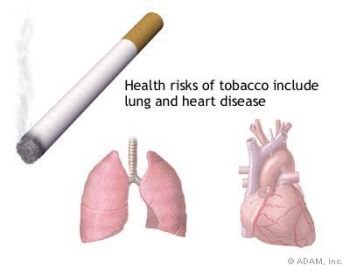
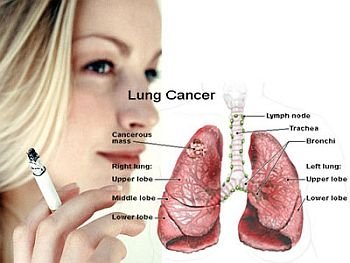
Although smokers have a twenty times’ greater chance of developing lung cancer than nonsmokers, not all smokers will get lung cancer. And lots of people are overweight or obese, get little exercise, and have cancer-prone diets, yet many of them will never get cancer. We must then ask:
Why are certain individuals susceptible to a particular cancer risk factor, whereas others are impervious to it? Why do only some people get cancer?
The answer may very well lie within our genes. Although humans are nearly identical at the level of DNA (nearly 99 percent the same), there are of course differences that make each of us unique. One type of difference, called a SNP (single nucleotide polymorphism, pronounced “snip”), represents a single base change to the DNA code that may cause a gene to function slightly differently between individuals. In one person the gene will function at normal levels, whereas in someone with the variation, it may be over- or underactive in its duties in the cell.
Cancer researchers are studying which gene SNPs influence the development of cancer. They are focusing on those that help the body rid itself of environmental toxins, process vitamins such as folic acid (essential for healthy DNA), or repair damaged DNA (gatekeeper and caretaker genes). For example, SNPs in genes called glutathione S-transferases, which detoxify the carcinogens contained in tobacco smoke, may determine why some smokers get lung cancer and others do not: some variants of these genes are better than others at neutralizing the poisons in tobacco. Furthermore, recent discoveries link a tendency to both nicotine addiction and lung cancer with minor variations in the DNA code for the body’s nicotine receptors (the cellular targets of nicotine).
Thus, as reported in the journal Nature, “variants in the sequence of our genome influence not only how we respond to our environment but also our tendency to seek or avoid environment.” Nearly every environmental influence linked to cancer has an effect on our bodies that may be modulated by a number of genes, each with one or more SNP. The number of connections that can be formed is infinite, but only some will be significant.
The National Institutes of Health has established the Environmental Genome Project to catalogue how Americans vary genetically in their responses to hazardous environmental chemicals. It is anticipated that, in the not-too-distant future, an individual’s “SNP profile” will be available as it relates to cancer susceptibility. Such a profile may tell some people that cooking red meat is extremely harmful to them, others that they need to take high doses of specific vitamins to avoid cancer, and still others that they should eat a lot of cruciferous vegetables to buttress a weak detoxification gene.
In order to achieve this level of individual health care, the most ambitious study of how diet interacts with DNA is under way in
The findings from the EPIC studies can be followed at http://epic.iarc.fr. Ultimately, diets, supplements, and medicines will be tailored to each person’s unique genetic profile. We are heading to an age of individualized cancer prevention and individualized cancer treatments.
In summary, cancer arises from a complex interplay between our genes and the environment in which we live. Cancer is ultimately a genetic disease, driven by mutations in genes that control the growth, survival, and spread of cells in the body.
These mutations are brought on largely by environmental factors, among them diet, lifestyle, and tobacco use. On the flip side, our individual genetic makeup determines how susceptible each of us is to these environmental influences. Still, there will always be cancers that cannot be explained, caused by random errors to DNA and resulting in unspeakable tragedies (such as a twenty-eight-year-old with pancreatic cancer). On a brighter note, the future will bring many new insights into the complicated interactions between our DNA and the world we live in, ultimately leading to a far more satisfying answer to the question “Why did I get cancer?”