Bph Treatment – Benign Prostatic Hypertrophy Treatment Part 1
 What are alpha receptors, and how do they influence BPH symptoms?
Alpha receptors are the nerve fibers that mediate bladder and prostate function and tone. Alpha receptors, however, are found throughout the body, and they control a variety of physiologic functions, not just voiding.
Alpha receptors respond to norepinephrine, which is a neurotransmitter. Alpha receptors are found in what is known as the sympathetic nervous system. When norepinephrine reaches the alpha receptors, it causes a change in the tone of smooth muscle fibers.
There are three distinct types of alpha receptors: alpha 1a, alpha 1b, and alpha 1d. They have different distributions throughout the body. Alpha 1a receptors are found in very high concentrations within the prostatic smooth muscle and therefore are very important in regulating prostatic tone.
Alpha 1b receptors play a relatively minor role in the urinary tract and are found primarily in the central nervous system, spleen, and lungs. Alpha 1d receptors are the predominant alpha receptors found in the smooth muscle of the bladder.
Alpha 1a and alpha 1b receptors are also found in vascular smooth muscle throughout the body. When alpha receptors in the prostatic smooth muscle are stimulated by norepinephrine, the result is increased tone of the prostatic smooth muscle.
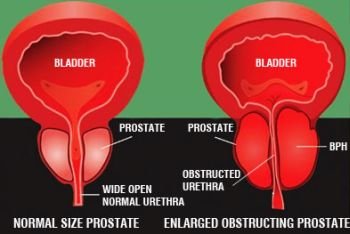
A way to think of this is that the prostate squeezes around the urethra and tightens its grip, resulting in increased urethral resistance to urine flow from the bladder. This increased prostatic tone, therefore, can result in the symptoms of prostatic obstruction.
Alpha receptors the nerve fibers that mediate bladder and prostate function and tone.
Terms:
Norepinephrine – a neurotransmitter that regulates the sympathetic nervous system.
Neurotransmitter – chemicals that influence the function of nerves.