What Happens During a Manic Episode?
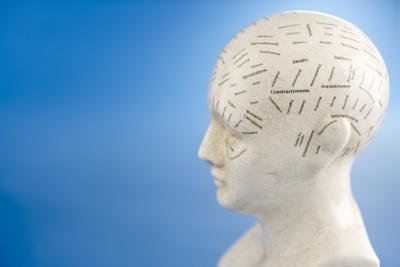
My husband is depressed and has mood swings. Could he be a manic-depressive?
Mood swings are often thought synonymous with being manic-depressive, or having bipolar disorder.
The presence of “mood swings,” however, is not enough to determine that a person is bipolar. Many depressed persons can have ups and downs in their mood. The distinction is important because bipolar depression is treated differently than major depression.
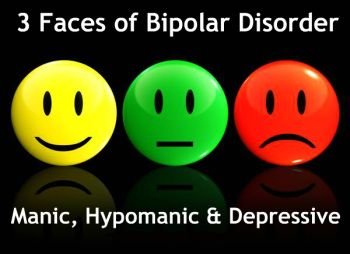
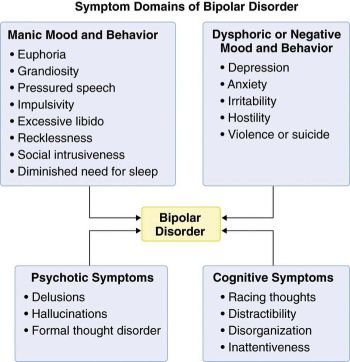
Bipolar disorder is less frequent than major depressive disorder, occurring in approximately 1% of the population (versus ~15% for depression). It is also more closely associated with family history, and in general it is a more severe illness. Bipolar depression differs from major depression in that the individual has to have experienced at least one manic or hippomanic episode in their lifetime. Although experiencing mania or hypomania is often referred to as having “mood swings,” specific criteria are used to define these mood states. Mood swings can mean many things to many people, from constant crying to episodes of irritability or anger. Manic or hippomanic episodes are strictly characterized by a decreased need for sleep (not the same as insomnia), inflated self-esteem (grandiosity), rapid and pressured speech (the need to keep talking), euphoric mood, and increased activity level. Duration criteria are required to make the diagnosis as well. The criteria should be closely followed because depression alone can cause irritability and anger management problems, both of which can look like “mood swings.”
Accurate history is needed to ensure a correct diagnosis. Once it is determined that a manic or hippomanic episode has occurred in the past, the diagnosis must reflect that as the treatment approach may be different and there are different risks associated with taking antidepressants.
Term:
Pressured speech characterized by the need to keep speaking; it is difficult to interrupt someone with this type of speech. Commonly seen in manic or hippomanic mood states