How to Understand the Difference Between Saturated and Unsaturated Fats
What are saturated and unsaturated fats?
Saturated fats are usually solid or semisolid at room temperature. They are found mostly in foods from animal origin and in some dairy products. They are also found in tropical oils, such as coconut oil and palm oil.
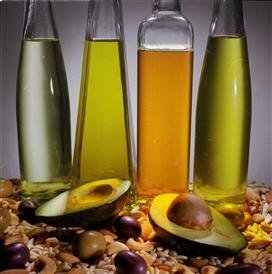
Foods from animals containing lots of saturated fats include various meats from four-legged animals (such as beef, veal, pork, and lamb), poultry fat, butter, whole milk, cheese, cream, bakery products, and ice cream. These foods contain lots of cholesterol. On the other hand, unsaturated fats tend to be liquid at room temperature, and they mostly come from plants. These fats are usually found in common cooking oils. Whenever possible, you should substitute unsaturated fats for saturated fats to reduce cholesterol levels. You can do that best by selecting foods containing less saturated fat. Egg yolks and organ meats (e.g., liver and kidney) are particularly high in cholesterol. Sausage and bacon also contain lots of cholesterol.
Whole milk has more saturated fats and cholesterol than does low-fat or skim milk. Skim (nonfat) milk and low-fat (1%) milk have the same nutrients as 2% or whole milk but far fewer saturated fats and much less cholesterol. Butter, cream, and ice cream have even more saturated fats than does whole milk. In addition, many cheeses also contain lots of saturated fats (as much as ice cream). Thus, a healthy diet involves using skim milk or low-fat milk and eating less butter, cream, ice cream, and cheese. Low-fat cheeses, low-fat ice cream, sherbet, cottage cheese, and various butter substitutes are better choices than regular cheeses, butter, and ice cream.
One egg yolk contains approximately 213 mg of cholesterol, but egg whites contain no cholesterol. Since egg whites are good protein sources, you can use two egg whites for each egg yolk in many cooking recipes. The American Heart Association recommends eating no more than three or four egg yolks per week, including those used in cooking.
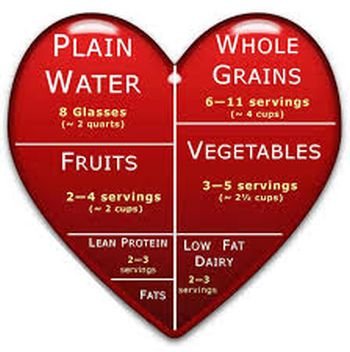
Basically, you should consume a minimum of cholesterol-rich foods (as was mentioned). If you want to eat healthy foods, you should consume more fish, skinless chicken or turkey, egg white (instead of egg yolk), low fat or skim milk, and fruits and vegetables. Of course, proper physical exercise is also very important