Сердечно-сосудистые заболевания
Omega-3’s Impact on Heart and Brain Cells
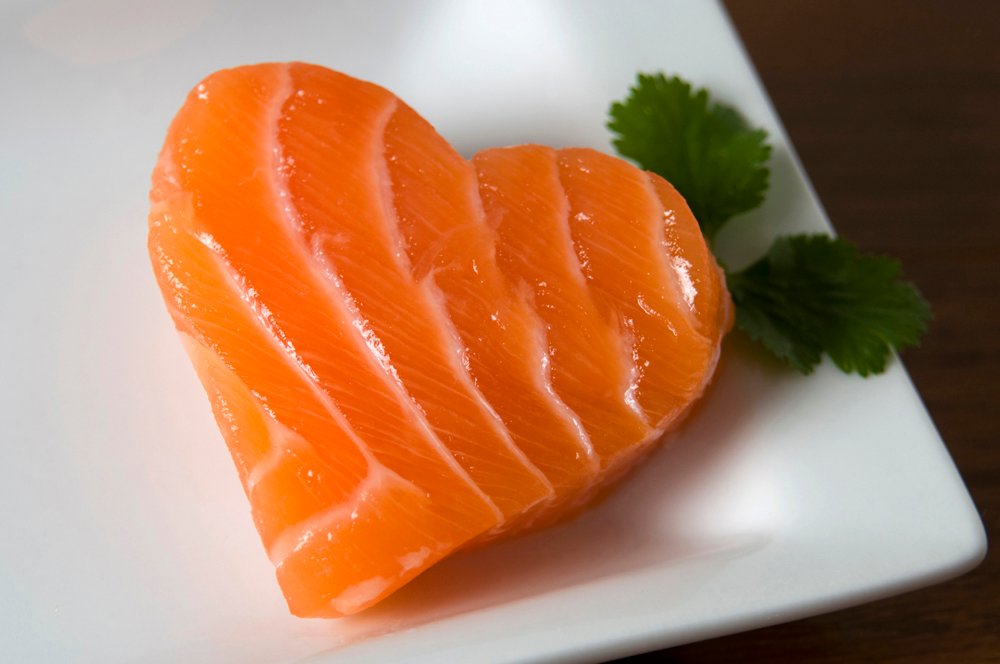
Is eating more fish a healthy way to reduce coronary risk factors?
What are omega–3 fatty acids?
Patient comment:
Eating a lot of fish in place of red meat is a healthy way of reducing the risk of a heart attack. If you like raw fish, it is an excellent idea to eat sashimi or sushi at Japanese restaurants as much as possible for protein intake.
Also, salmon and mackerel are good for you because these fishes contain large amounts of omega-3 fatty acids. On the other hand, shellfish like crab, shrimp, or oysters are not healthy foods for your heart. Fish contains cholesterol, but it is very low in saturated fatty acids.
Fish may be fatty or lean, but it is much better than meat from four-legged animals for reducing coronary risk factors. Fatty fish is usually found in the deeper parts of the sea and contains large amounts of omega-3 fatty acids. Omega-3 fatty acids are found to be protective against coronary artery disease, including heart attack.
Oily fish, such as salmon and mackerel, contain large amounts of omega-3 fatty acids. One study found that women who ate fish five times a week had a risk of deadly heart attack 45% lower than that in women who ate fish less than once a month. Another study reported that men with the highest levels of omega–3 fatty-acids had a risk of sudden cardiac death 81% lower than those with the lower levels.
Various shellfish, such as crab, oyster, lobster, shrimp, and crayfish, have more cholesterol than most other types of fish, but their total fat and saturated fatty acids are lower than those in most poultry and meat from four-legged animals. For a cholesterol-lowering diet, fish is better than lean red meat.
Term:
Omega–3 – fatty acids substances that are protective against coronary artery diseases, including heart attack.