Effects of High Blood Pressure
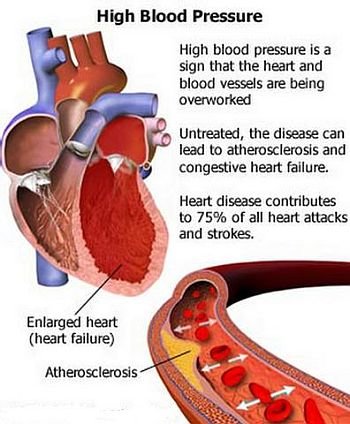
What is hypertension, and what are its effects?
More than 50 million people in
That can hasten the fatty deposit buildup that causes the narrowing or blockage of the coronary arteries. That’s why high BP is considered to be one of the major coronary risk factors. BP is expressed as two numbers in units of “mm Hg,” or “millimeters of mercury,” referring to the mercury that rises in the blood pressure meter as your blood pressure cuff is expanded. For example, a BP of 120/80 mm Hg is read as “one-twenty over eighty,” meaning that the systolic BP is 120 mm Hg and the diastolic BP is 80 mm Hg. The systolic BP is the heart’s pumping pressure, and the diastolic BP is the heart’s resting pressure.
An ideal or optimal BP level is 120/80 mm Hg or lower. A level considered to be normal ranges between 120/80 and 130/90 mm Hg. High BP, the hypertension level, is 140/90 mm Hg or higher. Hypertension produces little or no symptoms at the mild level; that’s why it’s often called the silent killer. Nevertheless, when hypertension does produce various symptoms, they include headaches, dizziness, and nose bleeding.
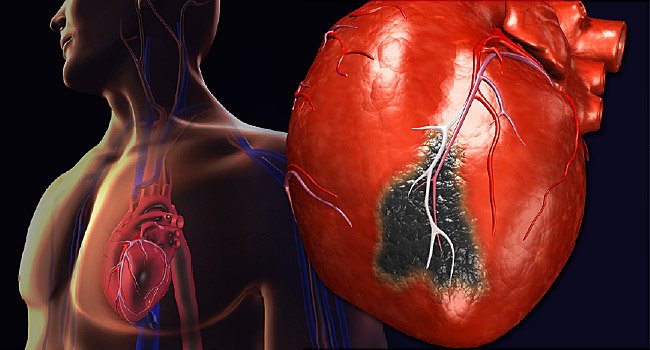
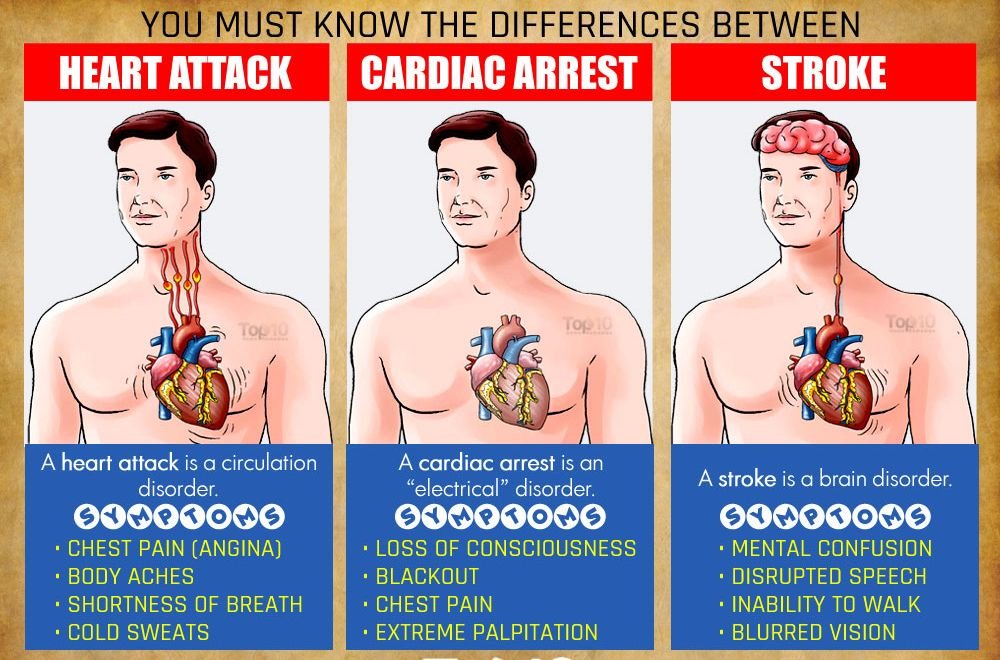
When BP is very high or causes major problems, serious symptoms emerge, and even death may be the final outcome. Major effects of hypertension include stroke, heart attack, congestive heart failure (very weak, insufficient pumping action of the heart leading to shortness of breath and leg edema; and kidney failure (markedly reduced functioning of the kidneys).
An ideal or optimal BP level is 120/80 mm Hg or lower.
Term:
Congestive heart failure – condition in which the heart is unable to pump blood adequately, causing various symptoms (e.g., shortness of breath, leg edema), and a common complication of severe hypertension and heart attack.