What Are Some Common Digestive Disorders?
Generally, the digestive tract works just fine. As a matter of fact, it doesn’t usually require tinkering or medications to be healthy. But sometimes the digestive tract gets “off track” and the resulting symptoms can quickly catch your attention.
Some of the problems are minor, like occasional heartburn or indigestion. Other problems such as ulcers or colon cancer are very serious.
Disorders of the Mouth and Esophagus
Oral health involves healthy teeth, gums, and supporting tissue. Maintaining a healthy oral environment is important because these tissues are used to bite, chew, taste, speak, smile, swallow, and communicate through facial expressions. Properly nourishing yourself can be difficult if you have chronic oral disease or extensive dental problems.
Gingivitis and Periodontal Disease
In addition to tooth decay, common oral health problems include gingivitis and periodontal disease. Gingivitis is an early form of periodontal disease that involves gum swelling, bleeding, and oral pain. Periodontal disease is an inflammation of the gums that leads to multiple dental diseases. It is caused by infections or by plaque that adheres to the surface of the teeth, and is a common problem for adults over age 35.
Periodontitis results in a gradual loss of teeth as they loosen or partially separate from the gums and jawbone. Even though these conditions are serious, they are treatable with various dental procedures, optimal food choices, and excellent oral hygiene. Other oral health problems include dry mouth, inflamed oral tissue, cold sores, soft tissue ulceration, oral cancers, fungal infections, or various abnormalities of the tongue.
Swallowing Problems
Under some circumstances the ability to swallow is compromised. Difficult swallowing, or dysphagia, can have mechanical causes such as tumors, scar tissue, obstruction, cancer, trauma, or other barriers in the throat. Dysphagia can also result from nerve damage or a stroke.
Swallowing problems can lead to malnutrition, respiratory problems, tooth decay, nasal regurgitation, and compromised health. Various health care professionals are trained to help a person overcome swallowing difficulties.
Esophageal Problems
Several esophageal problems can lead to annoying symptoms such as belching, hiccups, burning sensations, or uncomfortable feelings of fullness. Some serious esophageal problems include cancer, obstruction from tumors, faulty nerve impulses, severe inflammation, and abnormal sphincter function.
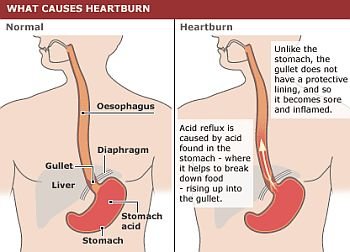
One of the most common problems involving the esophagus is heartburn, or reflux disease. About 7 percent of the population experiences daily heartburn, about 20 percent of adults report frequent heartburn, and 25 to 35 percent of adults have occasional symptoms. 22 Collectively, this adds up to millions of people experiencing heartburn symptoms.
Heartburn, also known as indigestion or acid reflux, is caused by hydrochloric acid flowing from the stomach back into the esophagus or even the throat. The acid causes a lingering, unpleasant, sour taste in the mouth. Other symptoms include nausea, bloating, belching, a vague burning sensation, or an uncomfortable feeling of fullness. Chronic heartburn can lead to a condition called gastro esophageal reflux disease, or GERD.
A weak LES is often the culprit in HCl reflux, because it sometimes permits this backflow of stomach fluids into the esophagus. Certain foods, including chocolate, fried, or fatty foods, coffee, soda, onions, and garlic, seem to be associated with this condition.
Lifestyle factors also play a role. For example, smoking cigarettes, drinking alcohol, wearing tight-fitting clothes, being overweight or obese, eating large evening meals, and reclining after eating tend to cause or worsen the condition. If dietary changes and behavior modification are insufficient to relieve the heartburn, over-the-counter antacids or prescription drugs may help. In rare circumstances, surgical intervention is required to treat severe, unrelenting heartburn.
Esophageal cancer is another medical condition that has serious consequences. According to the National Cancer Institute, esophageal cancer is one of the most common cancers of the digestive tract, and the seventh leading cause of cancer-related deaths worldwide. In the United States, this type of cancer is typically found among individuals older than 50 years, men, those who live in urban areas, long-term smokers, and heavy drinkers.
Table Tips
Digest It Right!
Eat and drink slowly and thoroughly chew your food. This will cut down on the amount of air you take in, and may reduce the need for belching later on.
Watch your portion size and stop eating when you are full.
You are less likely to feel uncomfortable and won’t have to unbutton that top button of your jeans!
Set aside time to eat.
Don’t eat your meals while you are doing something else, like watching television or driving to work or school. You will be more aware of your body’s cues to stop if you are paying attention.
Be aware of foods that don’t agree with you. If spicy foods irritate your stomach, eat those items less frequently or in smaller amounts to avoid discomfort.
Get plenty of fiber and fluid. This will help keep you regular, and avoid uncomfortable bouts of constipation.
Terms:
Dysphasia – Difficult swallowing.
Heartburn – A burning sensation originating in the esophagus. Heartburn is usually caused by the reflux of gastric contents from the stomach into the esophagus. Chronic heartburn can lead to gastroesophageal reflux disease (GERD).
Certain foods and lifestyle factors contribute to heartburn.