Symptoms of Gallbladder Disease
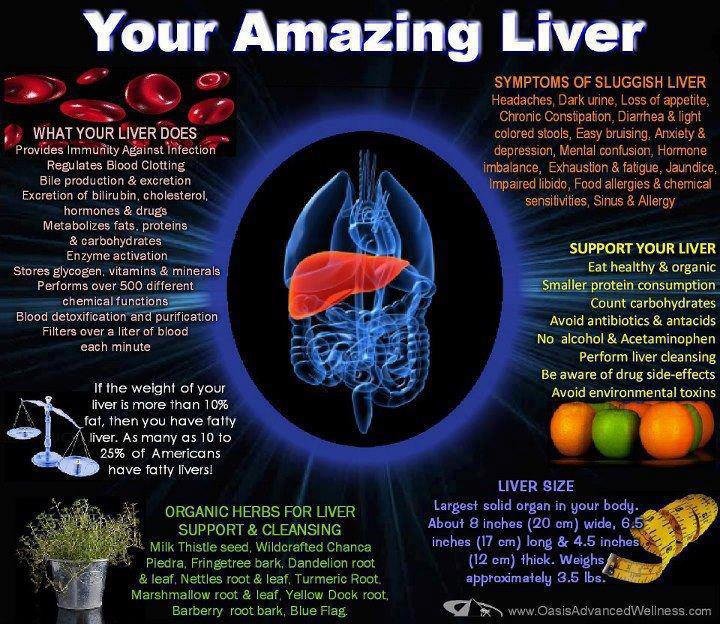
Gallbladder Disease
One common problem of an unhealthy gallbladder is the presence of gallstones. Most people with gallstones have abnormally thick bile, and the bile is high in cholesterol and low in bile acids. Over an extended period of time, the high-cholesterol bile forms crystals, then sludge, and finally gallstones.
Some individuals with gallstones experience no pain or mild pain. Others have severe pain accompanied by fever, nausea, vomiting, cramps, and obstruction of the bile duct.
Medical treatment for gallstones may involve surgery to remove the gallbladder, prescription medicine to dissolve the stones, shock-wave therapy (a type of ultra-sound treatment) to break them up, or a combination of therapies. If surgery is required to remove the gallbladder, patients typically recover quickly.
After gallbladder removal surgery, the anatomy of the biliary tract adapts. The liver continues to produce the bile and secrete it directly into the duodenum. Interestingly, the remaining bile duct dilates, forming a “simulated pouch” that works in a manner very similar to the original gallbladder.